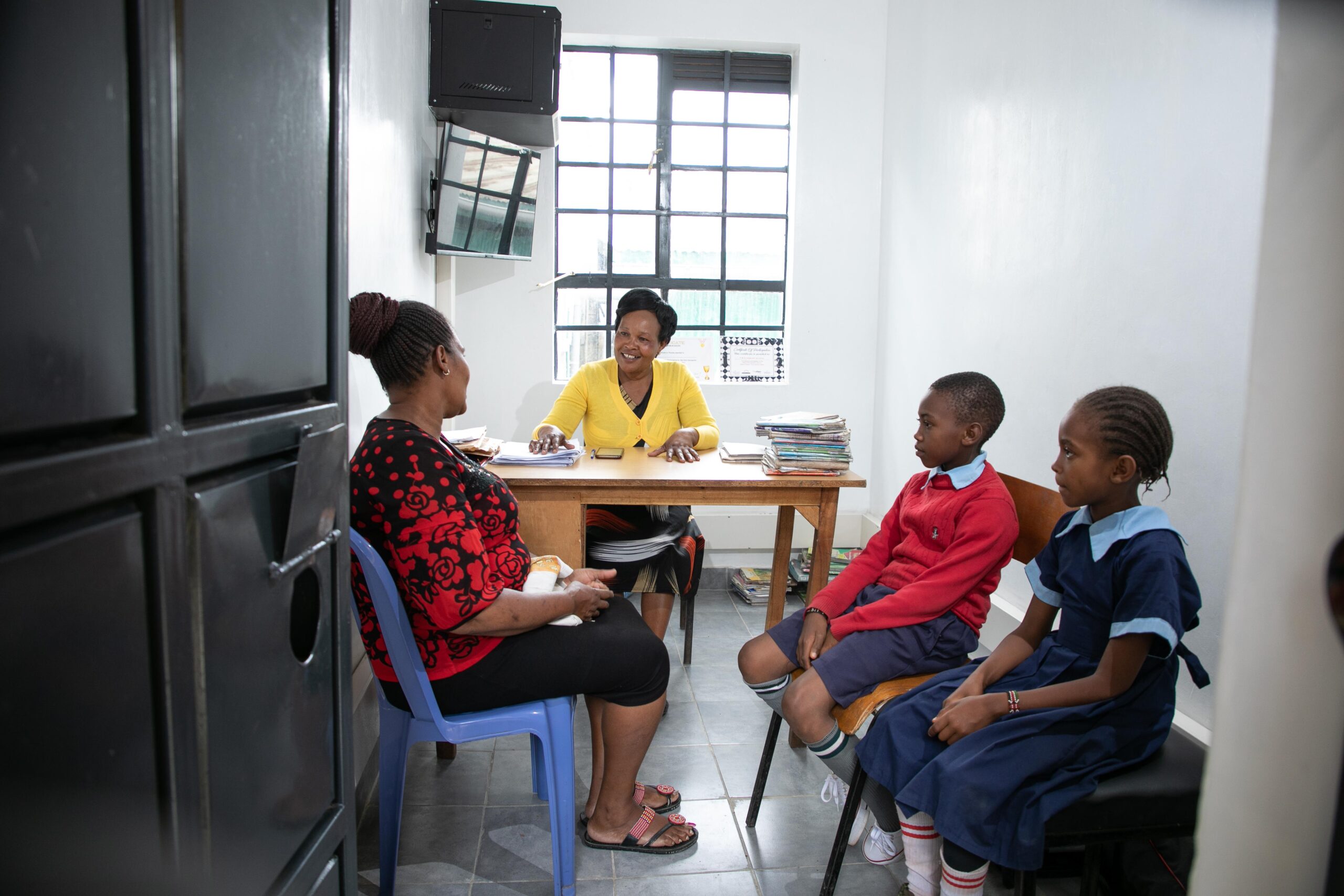
- Parents’ comments about teachers can shape how children respond to instruction, discipline and correction.
- Negative remarks at home may undermine classroom relationships and weaken a learner’s willingness to accept guidance.
- Parents can challenge genuine wrongdoing while preserving respectful communication between children, teachers and schools.
A child’s learning journey does not begin and end at the school gate. It is shaped by what happens in the classroom, what happens at home and, most importantly, by the relationship between the two.
Children listen to their parents more closely than many adults realise. They absorb conversations, attitudes and emotions. A parent may make a frustrated comment about a teacher and forget about it a few minutes later, but the child may carry those words into school the following morning.
That single comment can influence how the child receives instruction, responds to correction and relates to the teacher.
A teacher may spend hours building a child’s confidence, encouraging discipline and nurturing curiosity, only for that effort to be weakened by negative messages at home.
This is why parents need to be careful about how they discuss teachers in the presence of their children.
Parents have every right to question teachers. They have a responsibility to investigate genuine complaints and protect their children from mistreatment. They should never ignore bullying, abuse, discrimination or other serious concerns.
However, there is a significant difference between protecting a child and poisoning a child’s perception of education.
A parent can disagree with a teacher without destroying the teacher’s credibility. A parent can challenge a decision without encouraging disrespect. A parent can listen to a child’s complaint without automatically declaring the teacher guilty.
The following statements can quietly damage a child’s learning journey.
“Your teacher doesn’t like you”
This can plant a dangerous idea in a child’s mind.
Once a child believes a teacher dislikes them, ordinary classroom experiences may suddenly appear personal. A correction becomes hatred. A low mark becomes targeting. A request to improve becomes evidence that the teacher is against them.
If there is genuine evidence of unfair treatment, investigate it carefully. But do not create suspicion before establishing the facts.
Children should be encouraged to distinguish between a teacher correcting their behaviour and a teacher attacking their character.
“Don’t listen to everything your teacher says”
There is nothing wrong with teaching children to think critically. In fact, independent thinking is an important part of education.
But critical thinking should not become automatic rejection of authority.
When parents tell children to disregard teachers, they can unintentionally make classroom management more difficult and weaken the child’s willingness to learn.
Teach the child to listen, ask questions, seek clarification and respectfully challenge information when necessary.
“I will deal with your teacher”
A parent may say this out of love and anger, but the child may interpret it as a declaration of war.
Children learn how to handle disagreements partly by watching adults.
If every school conflict is met with threats and confrontation, a child may learn that aggression is the quickest way to solve problems.
A better message is:
“I have heard your concern. I will speak to the school and find out what happened.”
That gives the child reassurance while demonstrating responsible conflict resolution.
“Your teacher is too strict”
Discipline is an important part of learning.
A child may complain about a teacher simply because the teacher expects punctuality, completes assignments on time, follows classroom rules or refuses to tolerate disruptive behaviour.
Before declaring a teacher too strict, parents should establish what happened.
Was a rule broken? Was the child given an opportunity to explain? Was the teacher’s response reasonable?
If discipline crossed the line, address it. But do not teach a child that every correction is unfair treatment.
“Your teacher is unfair”
When a child reports unfair treatment, the first response should be listening—not dismissal.
But listening should also not mean automatically accepting every allegation as fact.
Ask questions. Seek the child’s full account. Speak to the teacher where appropriate. If necessary, involve the school administration.
There are genuine cases of unfairness that deserve action. However, a fair process protects both the child and the teacher from premature conclusions.
“I don’t like your teacher”
A parent’s personal feelings should not automatically become a child’s attitude.
Perhaps the parent has had a disagreement with the teacher. Perhaps communication has broken down. Perhaps there is a history of misunderstanding.
Those are adult issues.
Children should be allowed to form their own relationship with teachers based on their own experiences.
Parents can handle disagreements privately while continuing to encourage their children to approach school with an open mind.
“If your teacher gives you trouble, just call me”
Every child should know that their parents are their safety net.
But a safety net should not become a permanent escape route from responsibility.
Children need to learn how to communicate, accept correction, apologise when they are wrong, solve disagreements and take responsibility for their choices.
A stronger message is:
“If something serious happens, tell me. We will deal with it together.”
This communicates unconditional support while allowing the child to develop independence and resilience.
“Your teacher doesn’t know what they are doing”
Teachers are professionals, but like everyone else, they can make mistakes.
A parent may disagree with a teaching method or question a decision. That is legitimate.
However, telling a child that a teacher is incompetent can destroy confidence in the teacher and eventually affect the child’s willingness to learn.
Before making such a conclusion, establish the facts. If there is a genuine concern, raise it respectfully through the appropriate channels.
“You don’t have to respect that teacher”
Parents can disagree with teachers.
They can question decisions, demand explanations and report misconduct.
But children must understand that disagreement and disrespect are not the same thing.
Respect does not mean accepting wrongdoing or remaining silent in the face of abuse.
It means learning how to raise concerns without insults, threats, humiliation or contempt.
That is an important life skill that children will carry beyond school.
“Your teacher is always wrong”
The words “always” and “never” can be particularly destructive.
Teachers make mistakes. Parents make mistakes. Children make mistakes.
If a child is convinced that a teacher can never be right, every correction may become a confrontation and every poor academic result may be blamed on the teacher.
Instead, say:
“Tell me what happened, and together we will establish the facts.”
That approach teaches the child to think, reflect and take responsibility without destroying trust.
Never turn the child into the battlefield
Perhaps the greatest mistake parents can make is making a child carry an adult conflict.
If you have a problem with a teacher, speak to the teacher.
If the issue cannot be resolved, approach the school administration.
If the matter is serious, follow the appropriate formal procedures.
Do not make the child the messenger.
Do not force the child to choose between parent and teacher.
Do not make the classroom an extension of a disagreement taking place at home.
The strongest parent-teacher relationship is not one where everyone agrees all the time. It is one where disagreements can be handled maturely, respectfully and in the best interests of the child.
Parents should listen to children.
Teachers should listen to parents.
Schools should create accessible and fair channels for resolving complaints.
And children should be taught that speaking up and showing respect can exist together.
A parent can say:
“I believe you, and I will find out what happened.”
“If your teacher made a mistake, we will address it.”
“Tell me the whole story, including your part in what happened.”
“You have a right to ask questions, but you also have a responsibility to be respectful.”
And perhaps the most valuable lesson:
“Even when we disagree with someone, we can still treat them with dignity.”
These messages help build confidence rather than fear, responsibility rather than blame and resilience rather than dependence.
They also teach children that education is a partnership.
A teacher provides knowledge, guidance, correction and encouragement. A parent provides support, values, stability and reinforcement at home. When both sides work together, the child receives a consistent message about the importance of learning.
But when the child hears one message at school and the opposite message at home, confusion can follow.
A teacher says, “Work hard.”
A parent says, “That teacher doesn’t know anything.”
A teacher says, “Respect the rules.”
A parent says, “You don’t have to listen to them.”
A teacher says, “Take responsibility.”
A parent says, “I will deal with anyone who gives you trouble.”
The child is left caught between two authorities.
That is why parents should never underestimate the power of their words.
The home should be a place where children can discuss school freely, including their frustrations and disappointments. But it should also be a place where they learn fairness, accountability, empathy and respectful communication.
If a child comes home angry about a teacher, do not immediately ask, “What did that teacher do to you?”
Try asking:
“Tell me exactly what happened.”
“What happened before the teacher reacted?”
“What did you do?”
“What did the teacher say?”
“What do you think should happen next?”
Those questions turn a complaint into an opportunity for reflection.
They help the child understand that their voice matters, while also teaching them that every situation has more than one side.
Most importantly, parents should remember that protecting a child’s emotional wellbeing and preserving respect for teachers are not opposing goals.
Both can be achieved.
A child can know that their parent will defend them when necessary while also understanding that teachers deserve courtesy.
A child can question authority without becoming disrespectful.
A child can report wrongdoing without being taught to hate the person involved.
And a child can learn from mistakes without being rescued from every consequence.
The ultimate goal is not to create children who blindly obey.
It is to raise young people who can think independently, communicate confidently, accept correction, challenge wrongdoing, take responsibility and treat others with dignity.
So before making that angry statement about a teacher at home, pause.
Ask yourself:
Am I protecting my child—or am I unknowingly damaging my child’s learning journey?
Listen.
Investigate.
Communicate.
Challenge genuine wrongdoing.
Support your child.
READ ALSO: Over 62,000 JSS teachers demand answers over unpaid ICT training allowances
But whenever possible, keep adult disagreements between adults.
Your child is listening. And the words spoken at home today may become the attitude your child carries into the classroom tomorrow.
By Hillary Muhalya
Get more stories from our website: Education News
To write to us or offer feedback, you can reach us at: editor@educationnews.co.ke
You can also follow our social media pages on Twitter: Education News KE and Facebook: Education News Newspaper for timely updates.
>>> Click here to stay up-to-date with trending regional stories