- Education writer Hillary Muhalya argues that reading is the foundation upon which intellectual growth and lifelong learning are built.
- He says reading awakens curiosity, strengthens imagination and develops independent thinking among learners.
- According to Muhalya, mastering reading transforms children into confident learners capable of exploring the world on their own.
By Hillary Muhalya
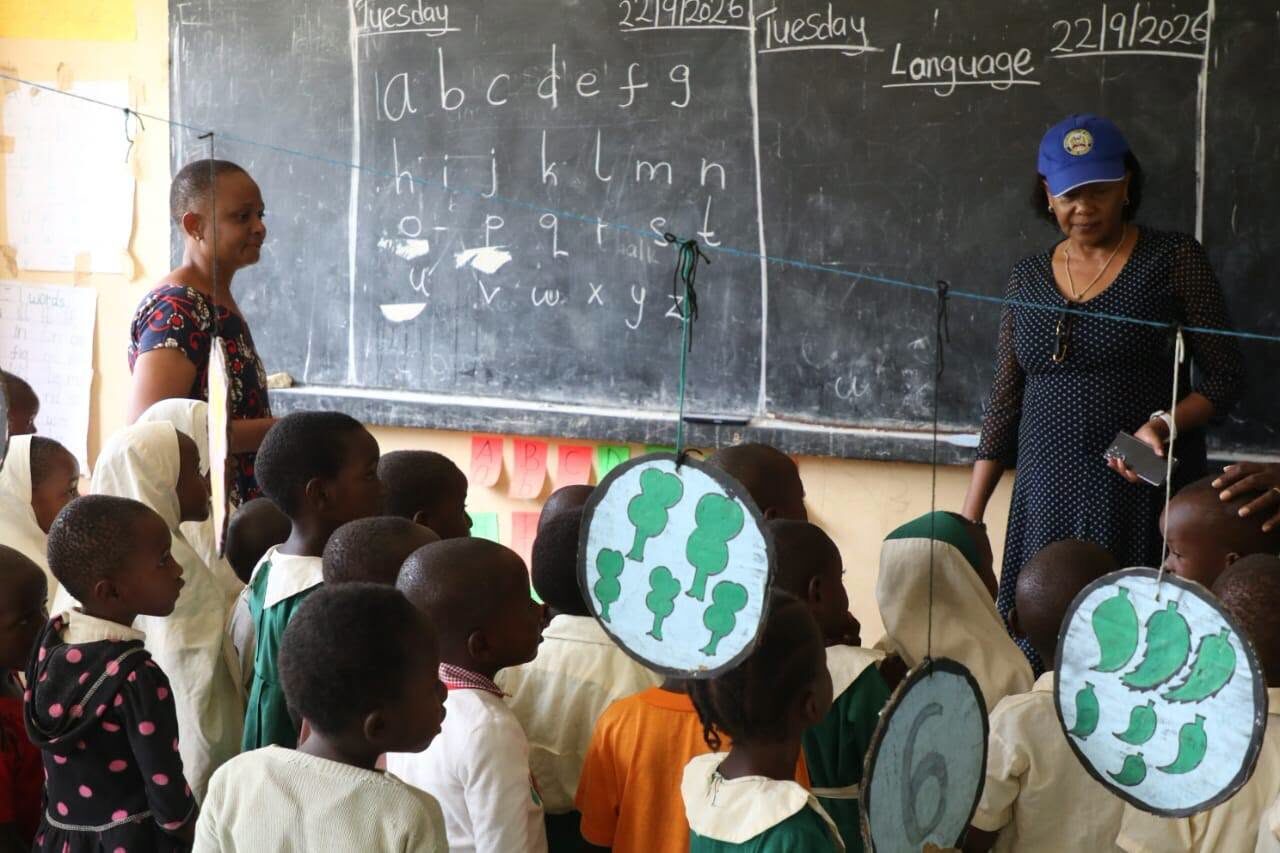
In every classroom, in every village, in every town and in every corner of the world where a child first learns to connect letters into meaning, something extraordinary begins to happen.
It is silent at first, almost unnoticed, yet profoundly powerful. It is the moment reading shifts from a mechanical classroom exercise into a mental awakening, when a young learner’s mind is switched on and begins to operate at a higher level of thought, curiosity and imagination.
Reading is not merely an academic requirement or a skill for passing examinations. It is the gateway through which human intelligence is activated, curiosity is awakened, imagination is expanded and lifelong learning is born.
Reading and the Awakening of Thought
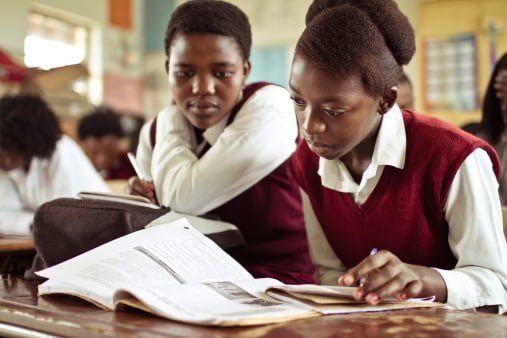
When a child learns to read fluently and with understanding, the brain does more than process symbols on a page. It reorganises itself for thinking, questioning, reasoning and discovery.
Before reading is mastered, learning is largely dependent on spoken instruction and direct experience. Once reading is acquired, thinking becomes self-directed.
The learner no longer waits to be told; they begin to explore. Books become companions in discovery, and questions that once ended in silence begin to find answers through independent exploration.
Curiosity Without Limits
Alongside this awakening comes an expansion of curiosity.
A child who can read is no longer confined to the boundaries of their immediate environment. They begin to ask deeper questions about the world and seek answers beyond the classroom walls.
Through reading, mysteries become accessible and knowledge becomes limitless. Books open pathways to discovery, and curiosity becomes a lifelong engine of learning.
Imagination Takes Flight
As curiosity expands, imagination also takes flight.
Reading allows the mind to travel across time, geography and experience. A child reading about ancient kingdoms, scientific discoveries or fictional heroes begins to construct mental worlds far richer than their physical surroundings.
Within these worlds, ideas are born, possibilities are tested and creativity flourishes.
Language and Expression Grow Stronger
Reading also transforms language and expression.
Words cease to be simple vocabulary items and become powerful tools for communication, persuasion and connection.
A child who reads widely develops a richer vocabulary, stronger sentence construction and greater confidence in both speaking and writing.
Over time, communication becomes not only fluent but compelling.
Building Concentration and Discipline
Reading strengthens concentration and cognitive discipline.
In a world full of distractions, reading trains the brain to focus, follow sequences, retain information and interpret meaning over time.
These skills extend beyond literacy into mathematics, science and other areas of learning, enabling learners to analyse complex situations with clarity and precision.
Developing Emotional Intelligence
Beyond cognitive growth, reading nurtures emotional intelligence and human understanding.
Through stories and real-life narratives, learners encounter diverse emotions, cultures and experiences.
They experience joy and sorrow, success and failure, courage and fear through the lives of others.
This exposure develops empathy, tolerance and compassion, helping learners appreciate the diversity of humanity.
Confidence and Independence
As these dimensions develop, confidence and independence naturally emerge.
A child who reads well is no longer dependent on constant guidance. They can learn independently, explore subjects on their own and approach new challenges with confidence.
Reading becomes the foundation upon which all other learning is built.
The Engine of Lifelong Learning
Ultimately, reading becomes the engine of lifelong learning.
It extends education beyond classrooms and beyond formal schooling. Whether learning new skills, adapting to technological changes or exploring new career opportunities, reading remains a constant tool for growth.
It ensures that learning never stops and that intellectual development continues throughout life.
The True Reading Revolution
When all these transformations come together, something remarkable happens.
Thinking becomes sharper, curiosity becomes deeper, imagination becomes wider, expression becomes stronger, concentration becomes steadier, emotions become richer and confidence becomes unshakable.
The learner evolves into an independent thinker and an active participant in knowledge creation.
READ ALSO: MMUST hosts Western region stakeholders for universities regulations review forum
This is the true reading revolution. It does not merely improve academic performance; it reshapes the human mind.
When a child masters reading, the world does not just open to them—their mind opens to the world.
And in that moment, genius is not created from outside. It is awakened from within.
You can also follow our social media pages on Twitter: Education News KE and Facebook: Education News Newspaper for timely updates.
>>> Click here to stay up-to-date with trending regional stories
>>> Click here to read more informed opinions on the country’s education landscape