


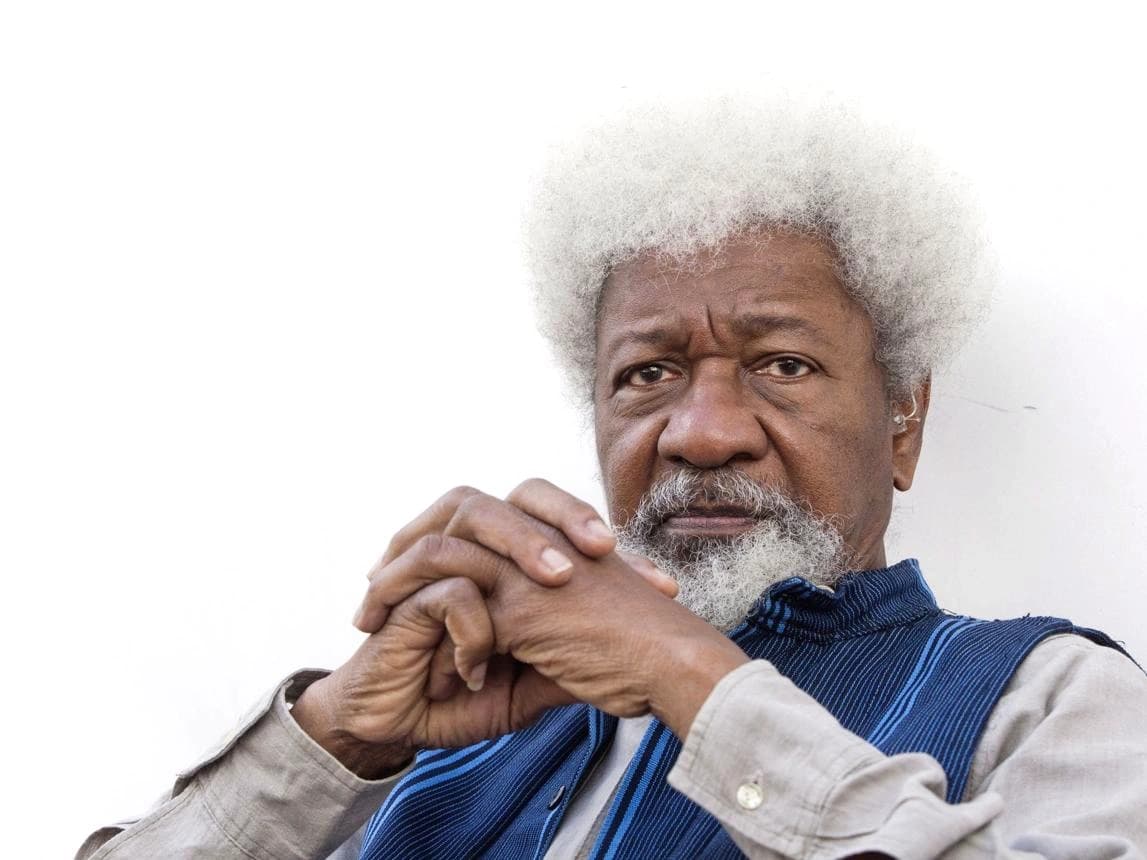






- Veteran broadcaster John Karani has ended an extraordinary 35-year journey behind the microphone.
- His career spans decades of transformation in Kenyan radio, from traditional broadcasting to the digital age.
- Ashford Kimani reflects on Karani’s legacy, resilience and transition from the airwaves to farming.
There are voices that speak to us, and there are voices that become part of us. For more than three decades, John Karani belonged to the second category. His was not merely a voice transmitted through radio speakers. It was a familiar presence in Kenyan homes, cars, workplaces and social spaces — a voice that accompanied generations through changing times, changing tastes and changing technology. After an extraordinary 35 years on air, the veteran broadcaster has brought his remarkable broadcasting journey to an end. His departure marks more than the retirement of an individual presenter. It represents the closing of a chapter in the history of Kenyan radio.
Karani’s career belongs to an era when radio was central to everyday life. Before smartphones, podcasts, streaming platforms and personalised playlists transformed the way people consumed entertainment, radio was the great communal storyteller. Families gathered around radio sets. Listeners planned their evenings around favourite programmes. Presenters became familiar personalities even though audiences often knew them only through their voices. Karani flourished in that environment. Through programmes associated with his name, including Saturday Night Show and Beat Time, he developed the kind of relationship with listeners that is increasingly difficult to create in today’s fragmented media landscape. His programmes were not simply collections of songs and announcements. They were experiences.
A good broadcaster understands that radio is an intimate medium. The presenter may be speaking to thousands of people, yet the listener often feels as if the conversation is taking place personally. That intimacy requires timing, confidence, knowledge of the audience and, above all, authenticity. Karani’s longevity suggests that he understood this relationship. Thirty-five years is an exceptionally long time in any profession, but broadcasting makes the achievement even more remarkable. The industry has undergone enormous transformation during that period. Technology changed, broadcasting formats evolved, music tastes shifted, audiences became more diverse and commercial pressures increased. New stations entered the market, while television and eventually the internet competed aggressively for people’s attention. Yet Karani remained relevant.
A lesson in professional resilience
That is perhaps one of the most important lessons from his career. Longevity is rarely accidental. It requires the ability to adapt without losing one’s identity. The broadcaster who begins a career speaking to one generation must eventually learn how to speak to another. The music that excites one audience may sound unfamiliar to another. The vocabulary of broadcasting evolves, technology changes and the expectations of listeners shift. Those who survive such transitions do more than operate equipment or read scripts. They understand people. Karani’s story therefore provides an important lesson about professional resilience. Careers are not always straight lines. They are journeys through changing circumstances, opportunities and challenges. Remaining effective for 35 years requires discipline, consistency and an ability to reinvent oneself when necessary.
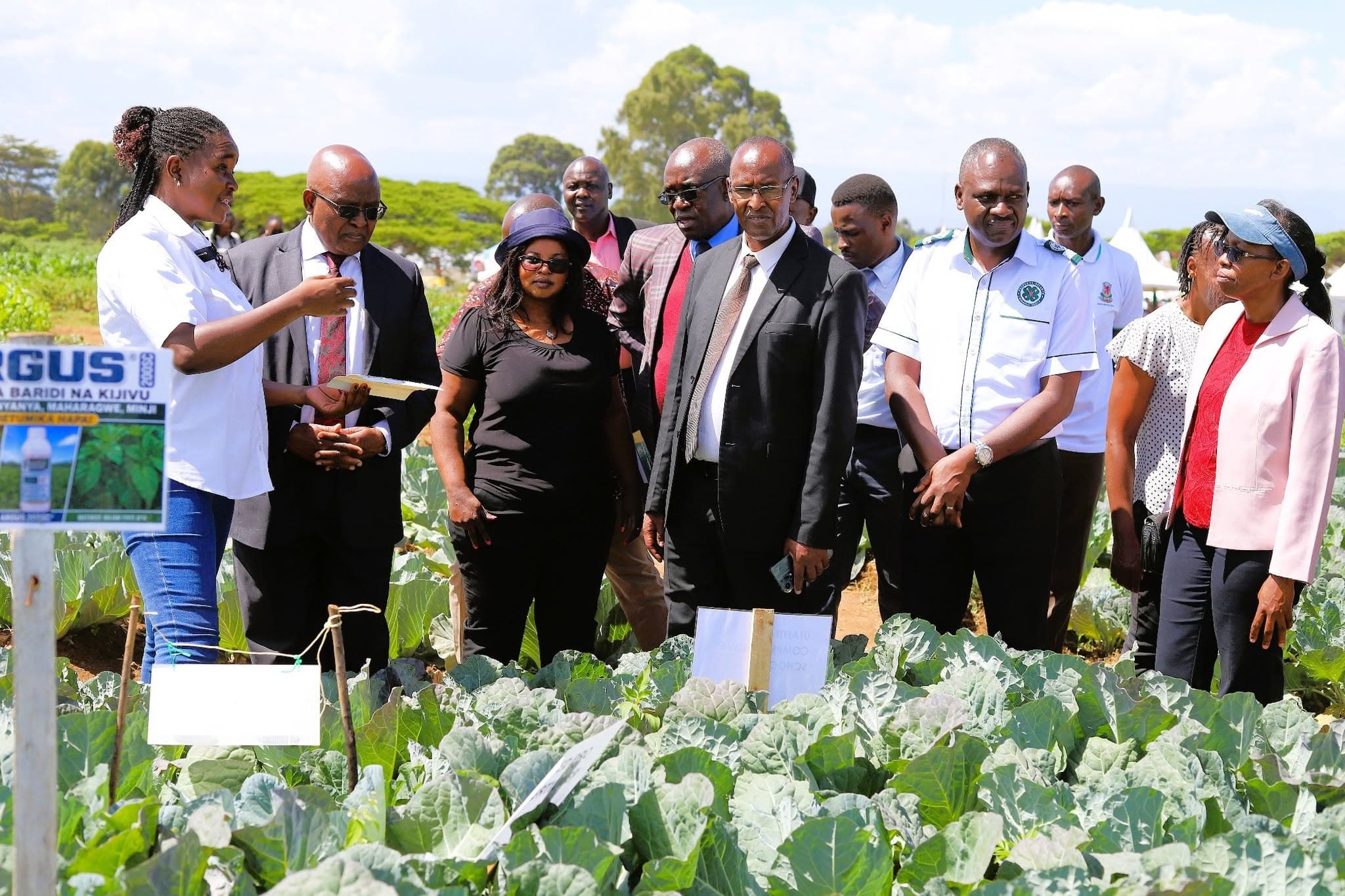
Perhaps the most fascinating part of Karani’s story, however, is what comes next. After decades behind the microphone, he has turned his attention to farming, including wheat and goat rearing. At first glance, the contrast is striking. Broadcasting is about voices, audiences, studios and deadlines. Farming is about soil, seasons, animals, patience and the rhythms of nature. Yet there is a deeper connection. Both broadcasting and farming require patience. A broadcaster spends years cultivating an audience. A farmer spends seasons cultivating the land. In both cases, meaningful results rarely appear overnight.
Karani’s transition also challenges the way society thinks about retirement. Too often, retirement is interpreted as the end of productivity. A person leaves an institution, hands over an office or makes a final broadcast, and society assumes that the most important part of his or her life has ended. It has not. Retirement can be a change of platform rather than a disappearance from productive life. For Karani, the microphone may have gone silent, but the work continues. The audience may now be smaller and the setting different, but farming offers another form of purpose.
From the microphone to the farm
There is something profoundly symbolic about a veteran broadcaster returning to the land. For decades, Karani helped tell the stories of other people. Now, he has an opportunity to concentrate on his own story. The studio lights and microphones give way to fields and livestock. The deadlines of broadcasting give way to the patient demands of agriculture. His transition carries a message for professionals approaching the later stages of their careers: prepare for your next chapter before the current one ends. A successful career should not become a prison. The skills, discipline, relationships and experiences accumulated during working life can become foundations for another pursuit.
Karani’s story is therefore not simply about retirement. It is about reinvention. It is also about legacy. A broadcaster may leave a station, but the memories created during decades on air remain with listeners. Someone who heard Karani’s programmes as a young person may now be raising children of their own. The songs played, conversations held and moments shared become part of personal memories. That is the unusual power of broadcasting. Unlike a newspaper article that can be folded away or a television programme that disappears from the screen, a familiar radio voice can become woven into the emotional soundtrack of a person’s life.
A legacy beyond the airwaves
Karani’s 35-year journey reminds us that careers are ultimately measured not only by positions held or years accumulated, but by the impact left on people. As Kenya’s media environment races into an increasingly digital future, the John Karani story provides a moment to pause and remember where much of that journey began. Before algorithms selected our music, broadcasters did. Before podcasts gave everyone a platform, radio presenters owned the microphone. Before streaming made entertainment available instantly, listeners waited for their favourite programmes. And before voices became content, some broadcasters understood that their greatest responsibility was to connect with people.
READ ALSO: Nyansiongo tragedy: Four men killed in horrific motorcycle–school bus collision
John Karani did that for 35 years. Now, a different chapter begins. The microphone has been put down, the farm awaits and, after a storied run on the airwaves, the veteran broadcaster has demonstrated one final lesson: when one career ends, life does not have to go off air.
By Ashford Kimani
Ashford is a teacher of English and Literature and writes on education and social affairs.
You can also follow our social media pages on Twitter: Education News KE and Facebook: Education News Newspaper for timely updates.
>>> Click here to stay up-to-date with trending regional stories
>>> Click here to read more informed opinions on the country’s education landscape



Reader Discussion (0)
Sign in to comment