- Schools nationwide are organising educational tours as the second term draws to a close, offering learners a break after thirteen weeks of rigorous classroom work.
- The tours aim to connect classroom learning with real-life experience through visits to historical sites, museums and science centres.
- Education officials are urging schools to prioritise safety; qualified drivers, serviced vehicles and trained teacher escorts, and to review each tour afterwards to address any gaps.
With most schools across the country set to close for the second term break, learning institutions are increasingly organising educational tours to give learners both a well-earned rest and an opportunity to experience their studies beyond the classroom.
The tours come after a demanding thirteen weeks of classroom instruction, offering learners a chance to refresh their minds while still engaging productively with what they have been taught. Rather than treating the break as an end to learning, many schools are using it to extend education into real-world settings.
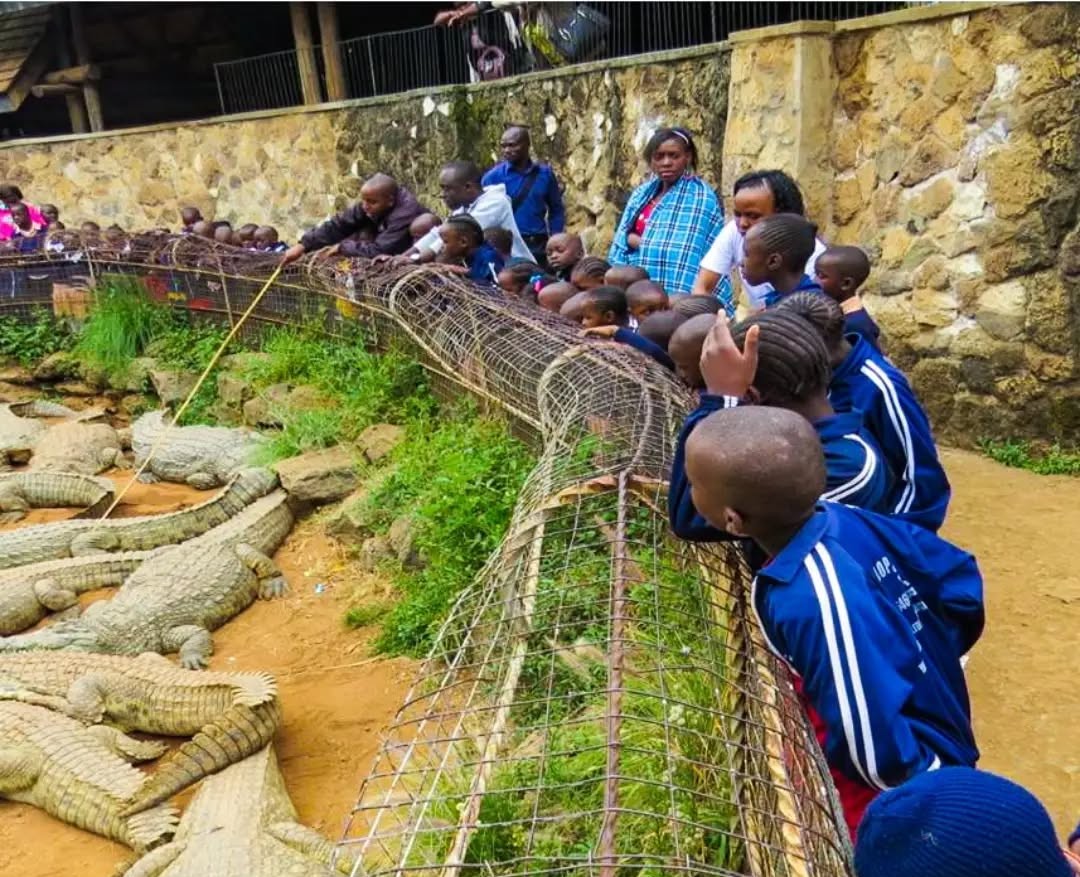
Educational tours are designed to help learners explore and understand knowledge as it applies in real life, transforming lessons that would otherwise remain confined to textbooks into meaningful, hands-on experience. Learners are typically taken to historical sites, museums and science centres, where they can encounter the subjects they study tangibly and memorably.
According to education stakeholders, the primary goal of these excursions is to connect learners directly with the subjects they study in class, allowing them to witness concepts in action outside the routine of the normal school day. The change of environment is also credited with arousing curiosity, making learners more engaged and eager to learn than they might be within the four walls of a classroom.
ALSO READ:
Why staff tours are no longer a luxury but a necessity in modern institutions
Safety Measures Guide School Excursions
School administrations organising such tours have been advised to observe strict safety measures throughout the exercise. Vehicles used for transport should not be overcrowded, as overloading poses a serious safety risk, and only qualified, competent drivers should be entrusted with ferrying learners. The vehicles themselves must be properly serviced and confirmed to be in good working condition before any journey begins.
Trained teachers are expected to accompany learners on every trip, providing clear instructions in advance to ensure discipline is maintained throughout the tour. Drivers, for their part, are required to strictly observe road safety precautions and adhere to all traffic rules and regulations to safeguard the learners in their care.
Education officials further recommend that schools review each tour once learners return to class, using the exercise to identify and address any gaps encountered along the way. This reflection is seen as an essential part of ensuring that future tours run more smoothly and deliver even greater value.
When properly organised, educational tours offer far more than a break from routine. They serve as a driving force in building learners’ self-esteem, respect and confidence, leaving both learners and teachers with an enjoyable experience and a lasting impact that extends well beyond the days spent away from school.
By Martin Ruto
You can also follow our social media pages on Twitter: Education News KE and Facebook: Education News Newspaper for timely updates.
>>> Click here to stay up-to-date with trending regional stories
>>> Click here to read more informed opinions on the country’s education landscape