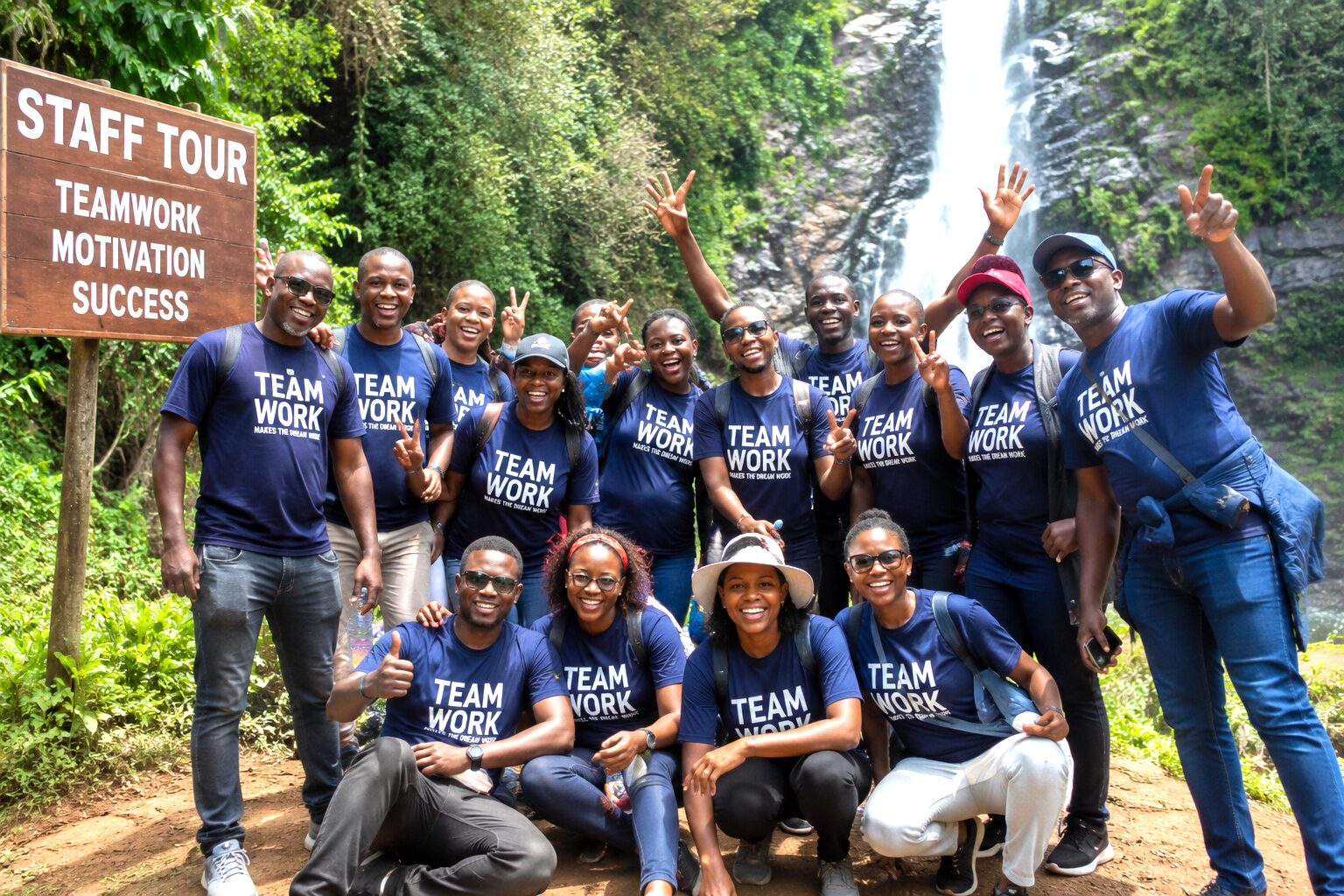
In many institutions today, staff tours are often viewed as recreational outings meant for relaxation and enjoyment. Some administrators even dismiss them as unnecessary expenditures that consume institutional resources without delivering measurable returns.
Yet this perception is increasingly outdated. In reality, staff tours have quietly become one of the most effective tools for improving teamwork, boosting morale, strengthening productivity and building a healthier institutional culture.
A staff tour is not merely about travelling, taking photographs, eating in hotels or escaping routine duties for a few days. It is a strategic investment in human capital. Institutions that ignore the emotional, psychological and social well-being of their workers eventually experience declining productivity, internal conflicts, burnout and poor service delivery. Human beings are not machines. Even the most committed employees require moments of renewal, interaction, exposure and reflection outside their normal working environment.
One of the greatest benefits of staff tours is that they strengthen teamwork. In many workplaces, employees interact only within the boundaries of official duties. Communication becomes formal, rigid and limited to work-related instructions. Over time, invisible barriers emerge between departments, ranks and personalities. Staff tours break these barriers. When employees travel together, share meals, laugh together and participate in group activities, relationships become more natural and humane. People begin to see each other beyond job titles and office hierarchies.
A teacher may discover that the deputy principal who appears strict in school is actually approachable and humorous outside the office setting. A junior employee may interact freely with senior management without fear or intimidation. Such interactions reduce workplace tension and create a culture of openness and cooperation once staff return to work. Institutions thrive where relationships are healthy.
Staff tours also play a major role in reducing stress and burnout. Modern workplaces are increasingly demanding. Teachers handle overcrowded classrooms, endless paperwork, examinations, parental pressure and administrative expectations. Healthcare workers operate under emotionally draining conditions. Corporate employees face deadlines, targets and constant pressure to perform. Without deliberate efforts to refresh workers mentally and emotionally, fatigue gradually affects performance.
Burnout is dangerous because it does not announce itself loudly. It slowly kills enthusiasm, creativity, patience and motivation. Employees may continue reporting to work physically while mentally disconnected from their responsibilities. Staff tours interrupt this cycle by providing an opportunity for relaxation, mental renewal and emotional recovery. A refreshed employee returns to work with renewed energy, sharper focus and a more positive attitude.
Exposure is another powerful advantage of staff tours. Travelling allows employees to observe how other institutions, organisations, and regions operate. Exposure expands thinking. It challenges outdated assumptions and stimulates innovation. An educator visiting a successful institution may learn new teaching methods, discipline approaches or administrative systems. A manager may discover better organisational practices. Staff tours, therefore, become informal learning experiences that widen professional perspectives.
Institutions that expose their employees to new environments often experience greater creativity and adaptability. Workers begin thinking beyond routine habits and become more receptive to change. Exposure transforms narrow thinking into progressive thinking.
Staff tours are equally important in boosting employee morale. Every worker desires to feel valued and appreciated. When institutions organize tours for staff members, employees interpret it as recognition of their contribution. It communicates that management cares not only about output but also about employee welfare. This sense of appreciation strengthens loyalty and commitment.
A motivated worker contributes far more than a frustrated worker. Employees who feel respected are more likely to protect institutional interests, support organisational goals and maintain professionalism. Morale is invisible, yet it directly influences productivity. Institutions with low morale often experience absenteeism, conflicts, gossip, resistance and poor performance.
Another important role of staff tours is improving communication within institutions. Many workplace misunderstandings arise because people rarely interact meaningfully outside formal settings. During tours, employees converse freely, share experiences, discuss challenges and exchange ideas in relaxed environments. Such interactions strengthen mutual understanding and reduce unnecessary hostility.
Good communication is the backbone of every successful institution. Where communication is poor, rumours flourish, suspicion grows, and teamwork collapses. Staff tours create informal platforms where relationships and communication naturally improve.
Staff tours also encourage cultural appreciation and social cohesion. In diverse societies, employees often come from different ethnic, religious and social backgrounds. Workplace pressure sometimes prevents a deeper understanding among colleagues. Travelling together exposes staff members to different cultures, traditions, foods, languages and lifestyles. Such experiences promote tolerance, respect and unity.
This is especially important in institutions operating within multicultural environments. Unity cannot be achieved through memos and speeches alone. People build unity through shared experiences and meaningful interaction. Staff tours provide exactly that opportunity.
In educational institutions, particularly, staff tours help teachers rediscover passion for their profession. Teaching can become repetitive and emotionally exhausting when educators remain confined within the same environment year after year. Exposure to historical sites, educational conferences, innovation centres, industries or natural attractions can reignite curiosity and inspiration among teachers. An inspired teacher ultimately inspires learners.
Staff tours can also strengthen leadership within institutions. Leaders who interact with employees in informal environments understand their teams better. They identify strengths, personalities, talents and concerns that may remain hidden within official office settings. Employees too become more comfortable sharing ideas and concerns with leadership. Such understanding improves decision-making and institutional harmony.
Financial concerns are often raised whenever staff tours are discussed. Critics argue that institutions should prioritise infrastructure, salaries or operational needs instead of spending money on travel. While financial discipline is important, institutions must also understand that investing in employee well-being is not wastage. The cost of low morale, poor teamwork, burnout and staff turnover can be far greater than the cost of organised tours.
A highly stressed workforce eventually affects institutional reputation and performance. Productivity declines. Customer service deteriorates. Internal conflicts increase. Employee retention becomes difficult. In contrast, motivated and united employees create stable and productive institutions.
However, staff tours must be planned professionally to achieve meaningful impact. Poorly organised tours can become chaotic, wasteful or divisive. Institutions should clearly define objectives before organising such activities. Tours should balance recreation, learning, team-building and exposure. Inclusivity is equally important so that all staff members feel involved and respected.
Institutions should also avoid turning staff tours into platforms for favouritism or political camps within workplaces. The purpose should remain unity, growth and employee wellbeing. Transparency in budgeting and planning helps prevent unnecessary suspicion or resentment among staff members.
In the modern world, successful institutions are increasingly recognising that employee wellbeing is directly connected to organisational success. Workers who feel emotionally exhausted, socially isolated and professionally stagnant cannot deliver exceptional results consistently. Institutions must therefore move beyond the outdated mentality that productivity only comes from strict supervision and endless work routines.
READ ALSO: Ensuring safety and success in school tours: Guidelines for teachers, parents
Sometimes the most productive thing an institution can do is to allow its employees time to reconnect, refresh, interact and rediscover motivation. Staff tours create those opportunities.
Ultimately, institutions are built by people, not buildings. A beautiful office without motivated workers remains ineffective. Strong institutions emerge where employees feel valued, united, inspired and emotionally healthy. Staff tours may appear simple on the surface, but their long-term impact on morale, teamwork, communication, exposure and productivity is profound.
In an era where workplace stress is rising rapidly, staff tours should no longer be viewed as optional luxuries. They are essential investments in human relationships, institutional culture and long-term organisational success.
By Hillary Muhalya
You can also follow our social media pages on Twitter: Education News KE and Facebook: Education News Newspaper for timely updates.
>>> Click here to stay up-to-date with trending regional stories
>>> Click here to read more informed opinions on the country’s education landscape