





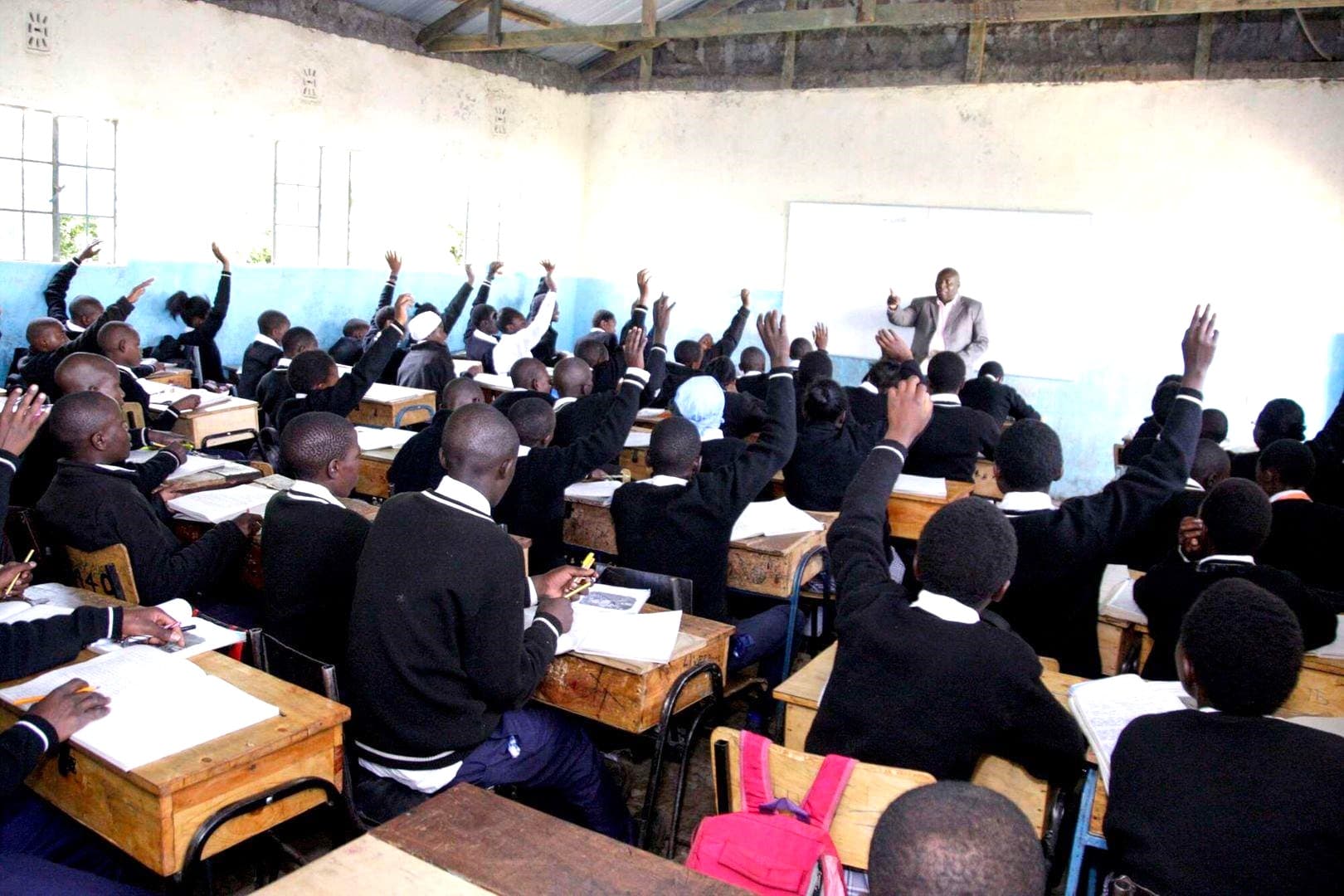
- Hillary Muhalya examines how teachers, learners, parents and school leaders can navigate the demanding final term.
- He argues that preparation, professionalism and encouragement are more productive than panic, conflict and intimidation.
- With examinations approaching, schools must balance academic performance, discipline, integrity and learner wellbeing.
Term Three is not just another stretch of the academic calendar. It is the period when the pressure of the entire school year converges in one place. Teachers are racing against time, learners are preparing for examinations, parents are becoming increasingly anxious about results, while school leaders must keep the institution focused, disciplined and functional.
It is also the term when small mistakes can become major setbacks.
How teachers, learners, school leaders and parents conduct themselves during this crucial period can determine whether the year ends in achievement or disappointment.
In the staffroom, professionalism should remain the golden rule. Teachers need to communicate respectfully, support one another and avoid turning ordinary disagreements into personal wars. The staffroom should be a place where ideas are exchanged, challenges are discussed and solutions are developed—not a battlefield for gossip, rivalries and character assassination.
Confidential matters concerning learners or colleagues should never become casual conversation. If a teacher has a genuine complaint about another colleague or school administration, it should be handled through the appropriate channels rather than becoming staffroom entertainment.
Term Three already carries enough pressure without teachers creating additional battles among themselves.
School leaders, on their part, must recognise that teachers are also human beings working under pressure. Workloads should be distributed fairly, communication should be clear and unnecessary meetings or duties should be minimised where possible. A teacher who feels respected and supported is more likely to give their best when the pressure is highest.
Managing pressure and examination anxiety
One of the greatest Term Three challenges is time pressure. Teachers may discover that some areas require more attention than anticipated, leaving little time for revision. The answer is not frantic teaching. Schools should identify learning gaps early, prioritise essential areas and establish realistic revision programmes.
Teachers should not wait until examinations are around the corner to discover that significant portions of the curriculum have not been covered.
Learners, too, must stop treating time casually. Procrastination can be extremely expensive in the final term. Every lesson, assignment, revision session and consultation with a teacher counts.
The second major challenge is examination anxiety. As examinations approach, some learners become fearful, withdrawn or excessively stressed. Parents can unintentionally make the situation worse by repeatedly demanding particular grades or comparing their children with neighbours, relatives and classmates.
The better approach is encouragement.
A child needs to hear, “Prepare well and give your best,” rather than, “If you don’t get the highest marks, you will regret it.”
Teachers should teach examination skills, create supportive revision environments and remind learners that preparation is more productive than panic.
Another challenge is teacher fatigue and burnout. By Term Three, many teachers have spent months teaching, marking, preparing lessons, attending meetings, supervising activities and handling learner needs. Expecting them to function indefinitely without adequate rest can affect the quality of instruction.
Teachers should support one another, share reasonable workloads and recognise when they need to rest. School administrators should also avoid turning every challenge into an additional burden for the teaching staff.
Inside the classroom, discipline must remain firm but humane. Term Three should never become an excuse for humiliating learners.
A learner who makes a mistake should be corrected, not permanently labelled. A struggling child needs intervention, not public embarrassment.
This is particularly important because declining learner motivation can become a major Term Three problem. After months of schoolwork, some learners simply become tired. Teachers can respond by varying teaching approaches, recognising improvement and setting short, achievable targets.
Learners should also be encouraged to ask questions whenever they do not understand something. Silence in class does not necessarily mean understanding.
Another challenge is indiscipline and absenteeism. Some learners become restless as the year draws to a close, while others begin missing lessons. Schools should monitor attendance carefully and communicate with parents early when problems emerge.
However, discipline should address the cause as well as the behaviour.
Sometimes absenteeism is linked to financial difficulties, family problems, transport challenges, bullying or other issues that require intervention rather than punishment alone.
Parents have a crucial role
At home, parents have a powerful role to play. Term Three should not become a season of comparison and intimidation. Parents should create an environment where children can study, rest and communicate freely.
They should monitor academic progress without turning the home into another examination centre.
A few minutes spent asking a child what they learned, what they are struggling with and how they are feeling can reveal problems long before they become crises.
Parents should also remember that sleep, nutrition and rest are part of learning. An exhausted learner does not automatically become a better learner simply because they have spent more hours with an exercise book.
Another growing challenge is digital distraction. Phones, social media, gaming and endless online conversations can consume valuable study time. Families can establish reasonable study periods and device-free hours while still allowing learners appropriate access to technology for legitimate educational purposes.
Schools and parents must also confront learning gaps that may have accumulated throughout the year. Instead of waiting for final examination results, teachers should identify specific weaknesses and provide targeted support through consultations, peer learning, remedial work and focused revision.
Financial difficulties can present another obstacle. Some families struggle with learning materials, transport, meals or other basic requirements. Vulnerable learners should be identified early and linked to available support mechanisms so that economic hardship does not quietly become an educational barrier.
Communication between home and school is equally important. Parents should not wait until the final results are released to discover that their child has been struggling for months. Teachers should communicate concerns early, while parents should respond constructively instead of becoming defensive.
Term Three also requires vigilance against examination malpractice. Pressure to produce impressive results must never justify compromising academic integrity. A genuine result that reflects a learner’s ability is far more valuable than a dishonest result that creates a false picture of achievement.
Above everything else, learner wellbeing must remain central.
Academic excellence matters, but learners are human beings before they are examination statistics. Teachers and parents should create an environment where children can discuss their fears, challenges and ambitions without feeling judged.
The dos and don’ts of Term Three
The dos of Term Three are therefore straightforward: plan early, communicate clearly, revise consistently, encourage learners, respect colleagues, support struggling children, monitor attendance and finish the curriculum responsibly.
The don’ts are equally important: don’t gossip, don’t humiliate learners, don’t create unnecessary staffroom conflicts, don’t intimidate candidates, don’t ignore learning gaps, don’t wait until the last minute to communicate problems and don’t sacrifice integrity for impressive statistics.
Term Three is ultimately a test of teamwork.
Teachers must plan and teach. Learners must take responsibility for their learning. Parents must encourage and provide support. School leaders must coordinate and protect the working environment.
The strongest schools are not necessarily those without challenges. They are schools that know how to confront challenges without destroying the people expected to solve them.
Term Three should therefore not be about panic.
It should be about purpose, preparation, professionalism, discipline, compassion and teamwork.
In the staffroom, choose professionalism over gossip.
In school, choose mentorship over humiliation.
At home, choose encouragement over intimidation.
And as the academic year moves towards its final stretch, everyone should remember one thing: finishing strong is not about pushing people beyond their limits; it is about bringing everyone together around a common purpose.
Finish the year with dignity. Finish it with discipline. Finish it with compassion.
READ ALSO: Employers check your past — it’s time you checked theirs: Fair hiring works both ways
Above all, finish it together.
By Hillary Muhalya
Get more stories from our website: Education News
To write to us or offer feedback, you can reach us at: editor@educationnews.co.ke
You can also follow our social media pages on Twitter: Education News KE and Facebook: Education News Newspaper for timely updates.
>>> Click here to stay up-to-date with trending regional stories

Reader Discussion (0)
Sign in to comment