




Teachers across Kenya are expressing growing anger and anxiety over the Social Health Authority-backed medical arrangement for public officers, with unions and education stakeholders now warning that the scheme is falling short at the point of care. Recent complaints from teachers, hospitals and union officials point to reduced outpatient limits, out-of-pocket payments, delayed approvals and confusion over what exactly is covered.
It is reported that both KUPPET and KNUT have threatened to pull out of the SHA arrangement and warned of wider action if the cover is not improved, while West Pokot KUPPET officials separately demanded urgent reforms and said teachers were struggling to access treatment.
In screenshots and chats seen by Education News, some teachers said they were being forced to top up for consultation, laboratory tests, X-rays and medicine despite expecting comprehensive cover. One circulating notice shared with teachers states that outpatient care had been capped at KSh 1,200 per visit for some facilities and would cover only basic consultation, essential drugs and limited laboratory tests, while excluding specialist clinics and advanced procedures.
Another shared message alleged that a parent at a facility in Kitui had already paid separately for an X-ray and laboratory services, while a different forwarded chat claimed KSh 2,500 was now the limit for outpatient care in some settings. Those screenshots could not independently establish the full national policy architecture on their own, but they reflect the frustration now spreading among teachers.
The anger is being sharpened by the perception that the new arrangement is a downgrade from the previous Minet-led cover. A widely shared social media post claimed that teachers and other civil servants previously accessed outpatient consultation, laboratory and pharmacy services more freely, but now face visit caps that must cover consultation, tests and drugs together.
West Pokot KUPPET Secretary Alfred Kamuto said teachers were struggling to obtain treatment under the present arrangement and called for urgent reforms, warning that the union could push to abandon the scheme if the challenges persist.
It is reported that union officials have complained about benefit cuts and threatened to withdraw from the arrangement if it is not fixed.
The current frustration has roots in last year’s transition from the teachers’ previous medical scheme to the Public Officers Medical Fund under SHA.
In September 2025, more than 460,000 teachers were to be onboarded to the new framework from December 1, 2025, triggering fears from unions and MPs about service disruption and reduced benefits. The transition would move at least 400,000 teachers into the new scheme.
READ ALSO: KUPPET Uasin Gishu issues 7-day ultimatum over SHA Medical Cover concerns
In the screenshots seen by Education News, some teachers say specialist review is not covered under outpatient services, others claim consultation can exhaust the cap before medicine is dispensed, and some allege that facilities are asking patients to pay first and hope for later clarification.
Several messages describe a sense of humiliation: that a teacher can present for treatment yet still be told to raise cash for tests, drugs or admission-related processes. The recurring complaint in those chats is that the scheme now works more like a limited voucher than the comprehensive medical protection teachers were used to.
READ ALSO: West Pokot KUPPET demands SHA reforms,, threatens to abandon scheme
The backlash has also taken on a political tone. In some of the conversations seen by Education News, teachers directly appealed to KNUT Secretary-General Collins Oyuu and other union leaders, saying members feel “shortchanged” and are waiting for an “exit plan.”
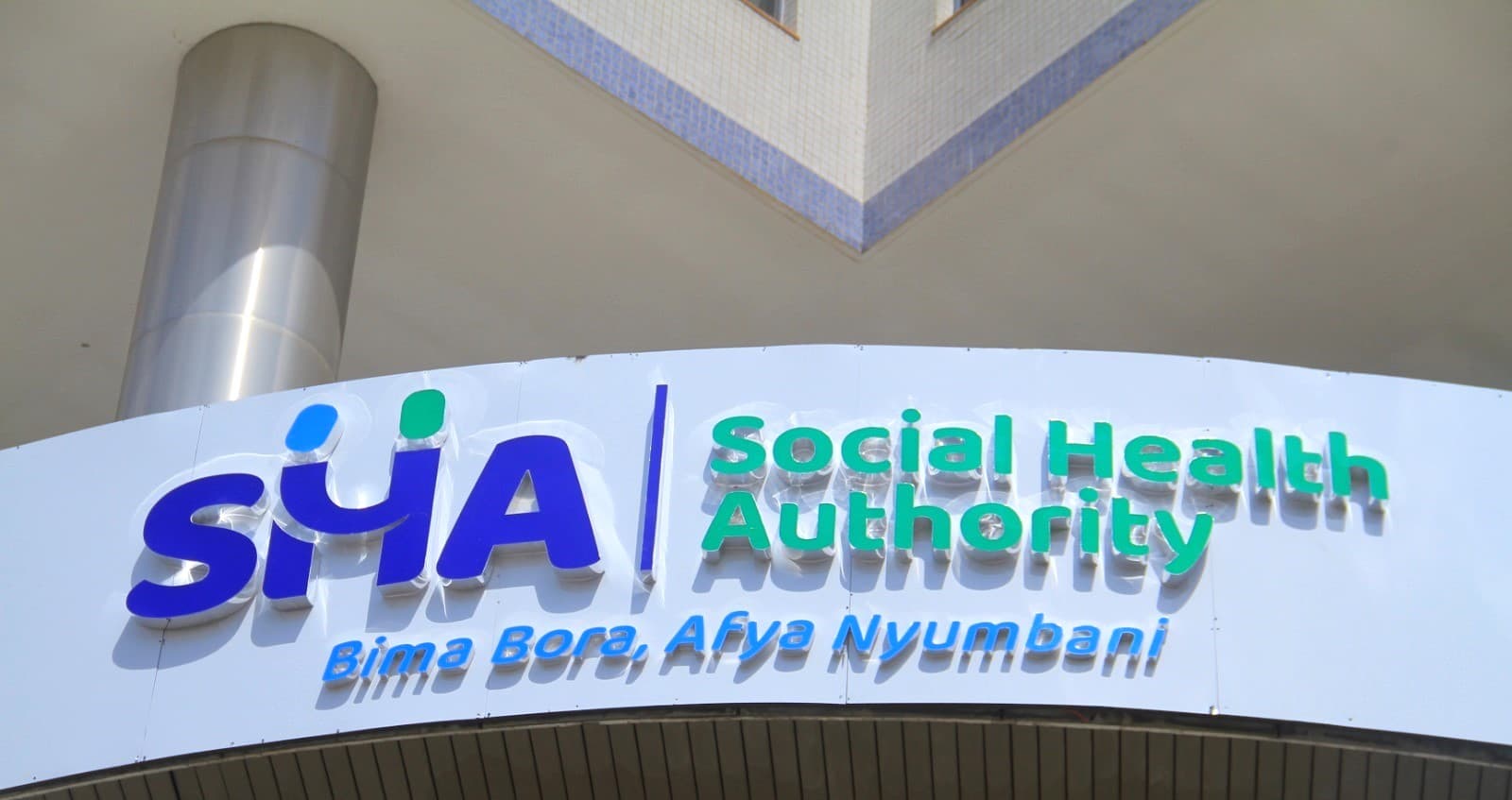
Social Health Authority (SHA) headquarters in Nairobi-Photo|File
For teachers on the ground, the issue is practical rather than ideological. They say if outpatient cover can no longer reliably pay for consultation, tests and medicine at credible facilities, then the scheme has ceased to offer real protection for common illness. That is why many now describe the arrangement as one that may only work at the level of a basic dispensary, not a comprehensive hospital environment where specialist review, diagnostics and follow-up medicine are often necessary.
By Joseph Mambili
You can also follow our social media pages on Twitter: Education News KE and Facebook: Education News Newspaper for timely updates.
>>> Click here to stay up-to-date with trending regional stories
>>> Click here to read more informed opinions on the country’s education landscape
>>> Click here to stay ahead with the latest national news.


Reader Discussion (0)
Sign in to comment