- A G4G survey found 89 per cent of 104 assessed pupils could not read and write.
- The findings have raised concerns about possible undiagnosed disabilities and learning difficulties among some learners.
- G4G and NCPWD have launched outreach assessments to bring disability services closer to affected families.
Concerns have been raised over poor literacy levels among learners assessed at a school in Lunga-Lunga, Kwale County, after a survey found that 89 per cent of 104 pupils could not read and write.
The survey, conducted by Girls for Girls (G4G) in one of six schools under its Kwale Education and Mentorship Action project, raised concerns over possible undiagnosed disabilities and learning difficulties among some learners.
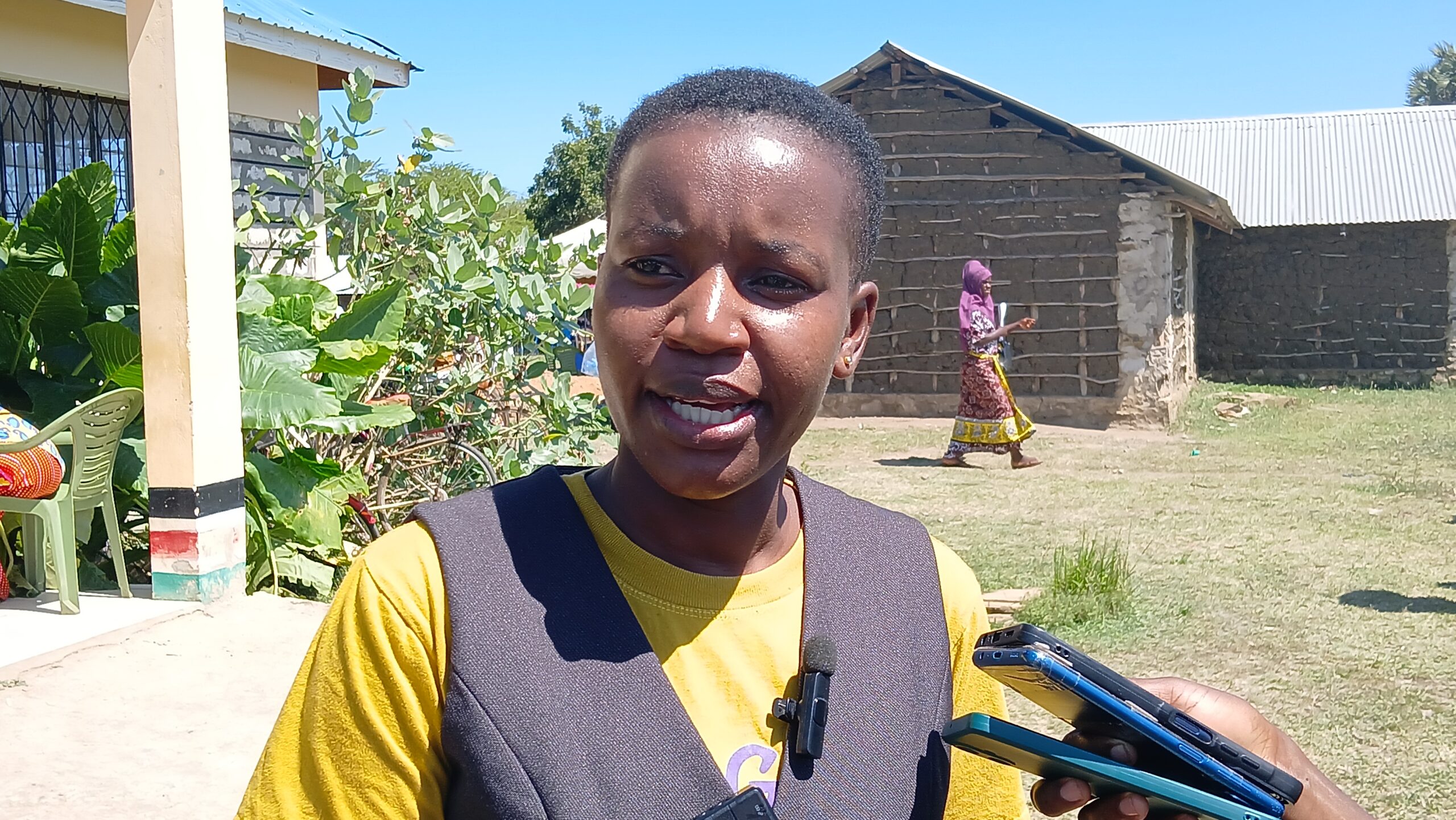
G4G Founder and Director Priscah Mongera said some children had spent years in the same class without making meaningful progress in reading and writing.
“We have many children whose reading and writing milestones have not progressed despite repeating the same class for almost three years. This exercise is geared towards helping them,” Mongera said.
She said the findings had prompted G4G, in partnership with the National Council for Persons with Disabilities (NCPWD), to roll out an outreach programme to identify, assess and register children and parents living with disabilities in the area.
Mongera said the assessments would help establish whether the children have intellectual, developmental or other disabilities that could be affecting their ability to learn.
She said early identification would enable parents and schools to understand the specific needs of affected learners and seek appropriate interventions to improve their learning and help them progress through school.
Disability services brought closer to families
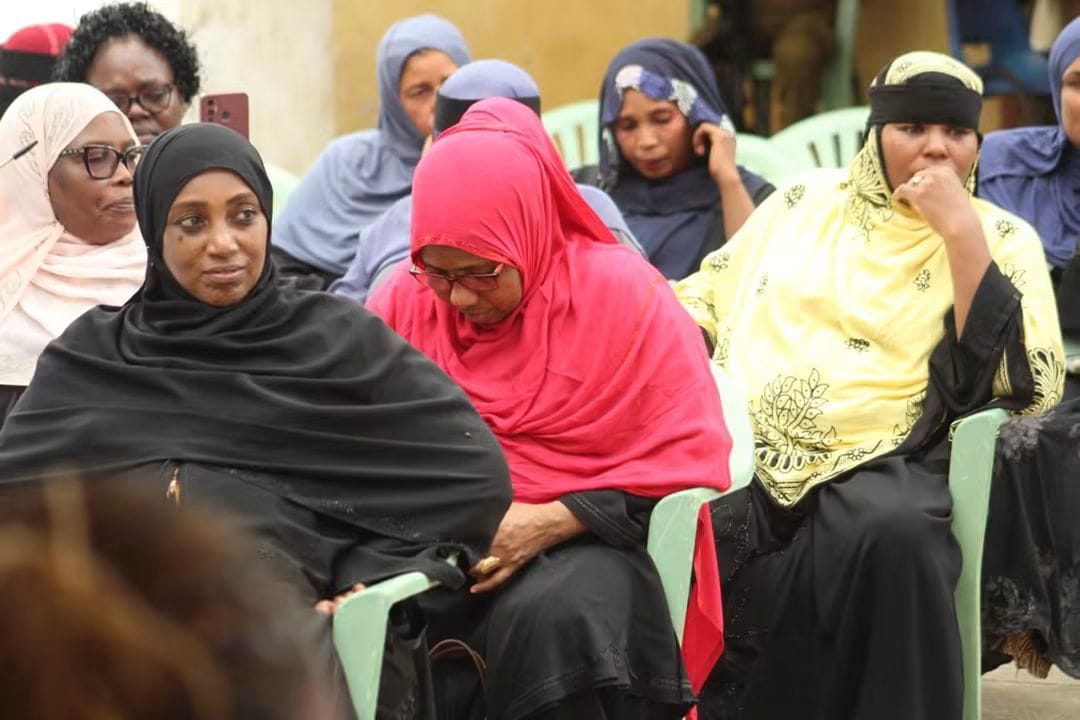
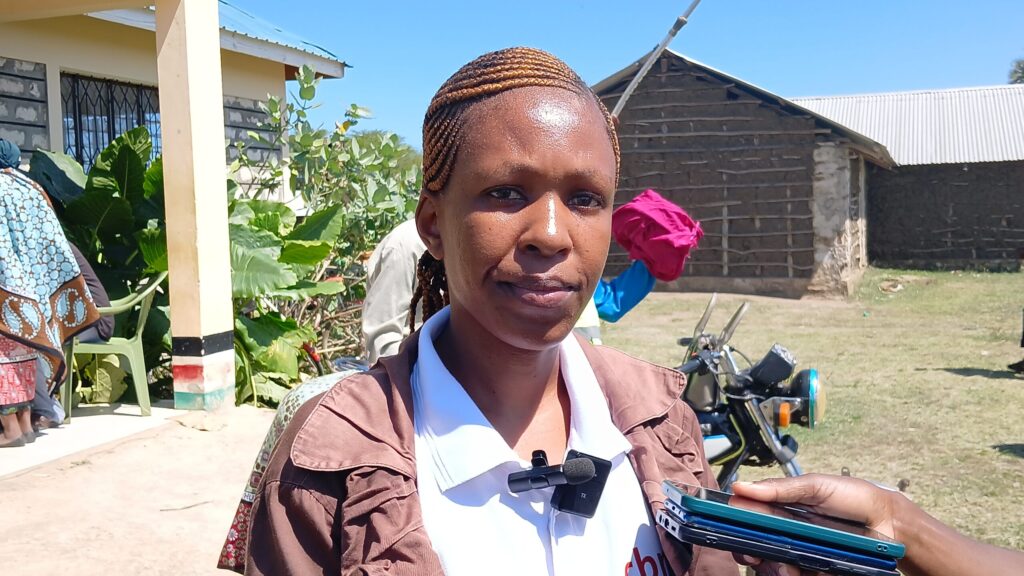
NCPWD Kwale County Director Emily Mwembe said the outreach was aimed at bringing disability assessment and registration services closer to communities, particularly families in remote areas.
Mwembe said beneficiaries were also being assisted to obtain essential documents, including disability certificates, birth certificates and national identity cards, as well as register for SHA.
“We are conducting assessments and registering persons with disabilities so that they can obtain disability certificates, SHA registration, birth certificates and national identity cards, among other services,” she said.
She said proper documentation would make it easier for persons with disabilities to access government assistance and other opportunities.
NCPWD officially requires a disability medical assessment report from a gazetted government facility as part of registration, alongside identification documents such as a birth certificate for minors or national ID for adults. Registration enables access to various government disability services.
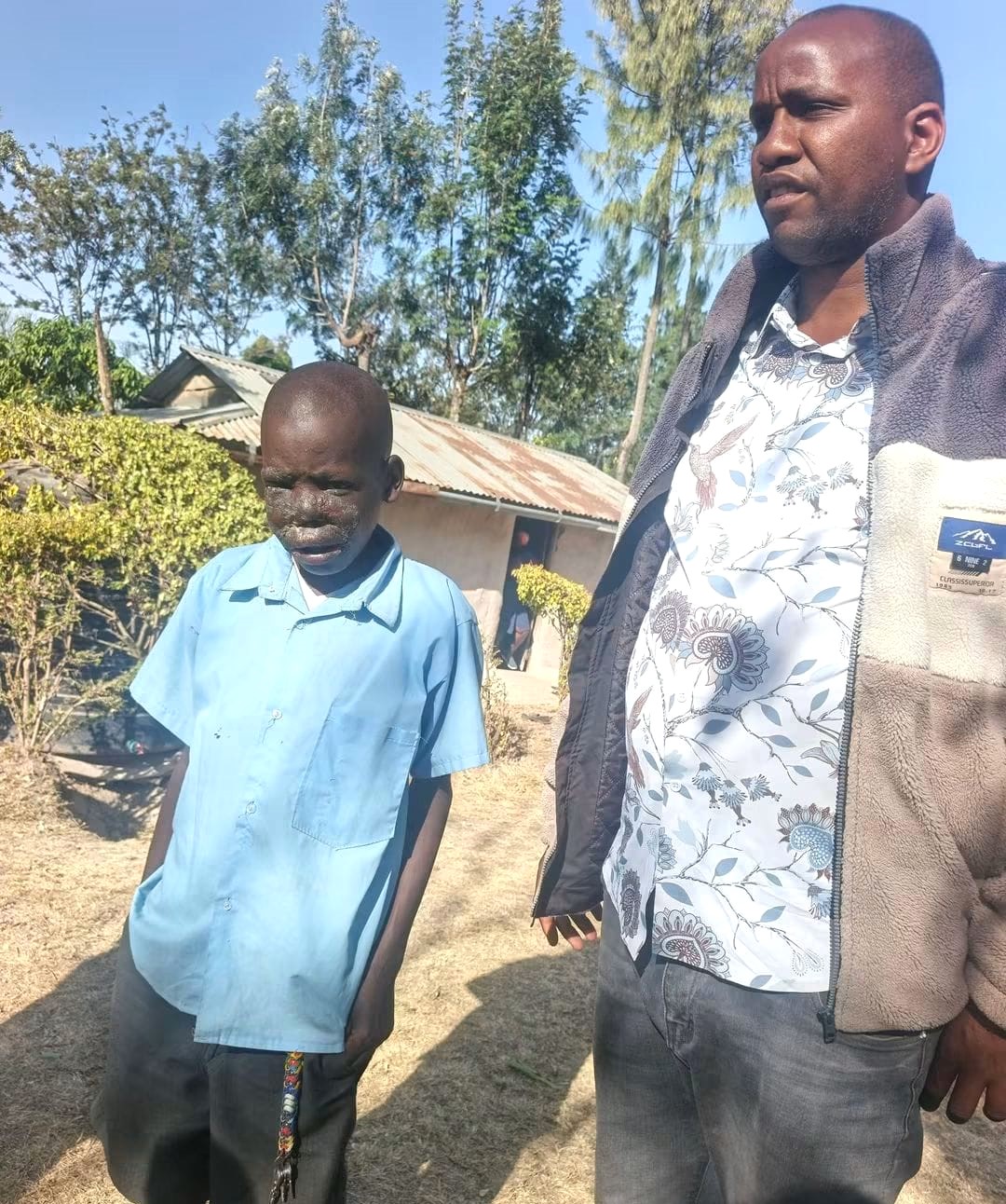
For Mwanamisi Mrichire, the outreach has provided an opportunity to have her child assessed and registered closer to home.
READ ALSO: Victor Ochieng’: Rise above mediocrity and stretch yourself to greatness
Her child has cerebral palsy, hearing impairment and physical disability.
“It has helped us because it has been hard for many of us to get these services because of the distance and cost,” she said.
By Shaban Omar
Get more stories from our website: Education News
To write to us or offer feedback, you can reach us at: editor@educationnews.co.ke
You can also follow our social media pages on Twitter: Education News KE and Facebook: Education News Newspaper for timely updates.
>> Click here to stay up-to-date with trending regional stories