- Six Bills before the National Assembly propose wide-ranging changes across Kenya’s education system.
- The reforms cover basic education, teacher training, assessments, tertiary funding, qualifications and curriculum development.
- The Bills have undergone First Reading and remain subject to parliamentary scrutiny and public participation.
Kenya’s education sector could undergo sweeping legal and administrative changes if six Bills currently before the National Assembly are approved.
The proposed legislation targets key areas of the education system, including the management of basic education, teacher preparation and training, national assessments, tertiary education financing, placement of students, curriculum development and regulation of academic qualifications.
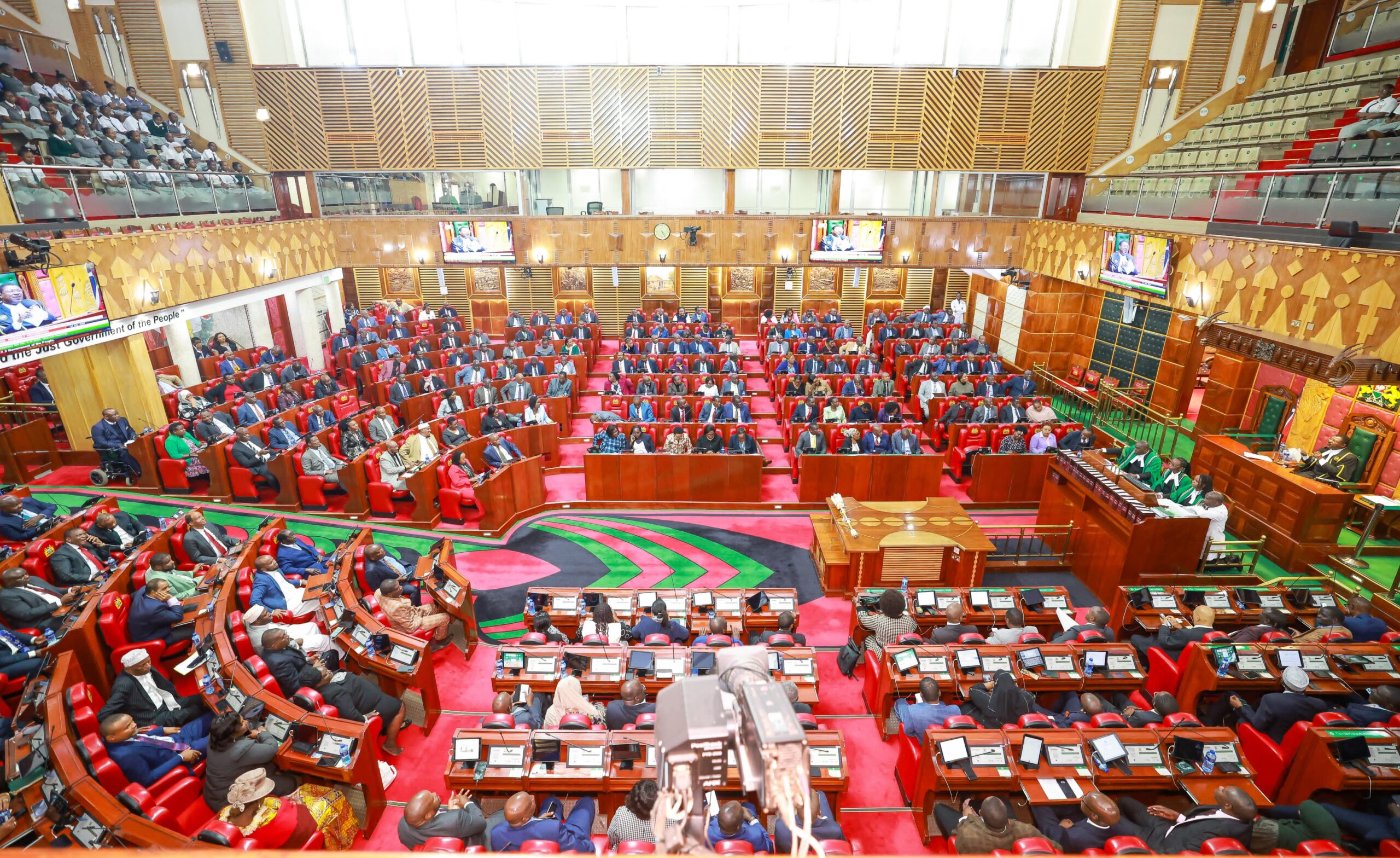
The Bills were introduced for First Reading in the National Assembly on August 11, 2026, and referred to the relevant committees for consideration. Parliamentary records confirm the six Bills as part of the House’s current legislative business.
The proposed changes come at a time when Kenya is implementing Competency-Based Education (CBE), making the review of laws governing learning institutions, teachers, assessment and tertiary education particularly significant.
The six Bills are the Basic Education Bill, 2026; Tertiary Education, Placement and Funding Bill, 2026; Kenya National Educational Assessments Council Bill, 2026; Pre-Service Education and In-Service Training Bill, 2026; Kenya National Qualifications Framework (Amendment) Bill, 2026; and the Kenya Institute of Curriculum Development (Amendment) Bill, 2026.
Basic education governance targeted
The Basic Education Bill, 2026 proposes changes to the legal framework governing the administration of basic education.
Its provisions cover areas such as registration of institutions, quality assurance, school governance, special needs education, education data and access to learning.
The Bill also seeks to clarify the roles of various actors in the management of schools, including Boards of Management, parents, teachers and government agencies.
Provisions touching on the administration of learning institutions and the appointment and responsibilities of school heads are likely to attract particular attention from education stakeholders.
The proposed law comes as the country continues to adjust to a new education structure and the implementation of competency-based learning.
Teacher education faces restructuring
Teacher preparation and professional development are also at the centre of the proposed reforms.
The Pre-Service Education and In-Service Training Bill, 2026 seeks to establish a legal framework for training prospective teachers as well as continuous professional development for serving teachers and education managers.
A key proposal is the establishment of a Kenya School of Education, which would provide a new institutional framework for teacher education.
If approved, the changes would affect teacher trainees, tutors and the administration of public teacher training institutions.
The proposed Kenya National Educational Assessments Council Bill, 2026 could also introduce significant changes to the way national assessments are administered.
The legislation seeks to establish a new framework for educational assessment and replace the current legal framework governing the Kenya National Examinations Council.
It places emphasis on assessment approaches that support competency-based learning while providing for the use of technology in assessment.
The Bill also contains measures aimed at strengthening examination security and addressing malpractice.
The proposed changes could eventually affect how learners are assessed and how national examinations and other assessments are administered.
Tertiary funding system could be consolidated
University and TVET students could also experience changes under the Tertiary Education, Placement and Funding Bill, 2026.
The proposed law seeks to establish a Tertiary Education Funding Authority (TEFA) to oversee tertiary education financing.
The proposed authority would consolidate functions currently undertaken under the existing tertiary funding framework, while the Bill also provides for a new placement structure.
If enacted, the reforms could therefore change how students are placed in universities and TVET institutions and how government financial support is administered.
Another proposed law seeks to strengthen Kenya’s system for managing academic and professional qualifications.
The Kenya National Qualifications Framework (Amendment) Bill, 2026 proposes changes aimed at strengthening the regulation and coordination of qualifications.
The reforms seek to clarify the mandate of the Kenya National Qualifications Authority and address overlaps with sector regulators.
The move could have implications for institutions and professionals dealing with academic and technical qualifications.
KICD law also targeted
The Kenya Institute of Curriculum Development is also set for a review of its legal framework under the Kenya Institute of Curriculum Development (Amendment) Bill, 2026.
The proposed amendments seek to update the legislation governing the institution, which plays a central role in curriculum development and review.
The Bill comes against the backdrop of the ongoing transition to CBE and efforts to align curriculum development with the changing needs of learners and the economy.
The proposed reforms are likely to generate significant debate among teachers, unions, parents, learners, teacher trainers, universities, colleges and other education stakeholders.
However, none of the six proposals has become law.
The Bills must go through parliamentary scrutiny, including committee consideration and public participation, before MPs can decide whether to approve them. Their provisions may also be amended during the legislative process.
Stakeholders therefore have an opportunity to examine the proposed laws and make submissions on provisions they support or oppose.
For teachers, issues relating to training, professional development, school management, assessment and curriculum implementation are likely to be among the areas requiring close attention.
Taken together, the six Bills represent a broad attempt to review the legal architecture underpinning Kenya’s education system. Cabinet described the package as an overhaul intended to align governance, curriculum, assessment, financing, teacher training and qualifications with the Constitution and Competency-Based Education and Training.
From the management of schools and preparation of teachers to national assessment, curriculum development, tertiary financing and recognition of qualifications, the proposals touch almost every stage of the learner’s journey.
The eventual impact will depend on the provisions approved by Parliament and any amendments made following public participation.
READ ALSO: What public education can learn from parental choice: Lessons from a deputy headteacher’s decision
For now, education stakeholders are expected to focus on the Bills as presented and participate in the parliamentary process before any final decisions are made.
By Jeff Kirui
Get more stories from our website: Education News
To write to us or offer feedback, you can reach us at: editor@educationnews.co.ke
You can also follow our social media pages on Twitter: Education News KE and Facebook: Education News Newspaper for timely updates.
>> Click here to stay up-to-date with trending regional stories