-
The writer argues that while school strikes in Kenya are caused by many factors; including family challenges, peer influence, social media, drug abuse and examination pressure—the quality of school leadership is often the deciding factor in preventing or escalating crises.
-
She says that rather than engaging in a blame game after incidents of unrest, the country should prioritize recruiting, training and supporting competent, ethical and emotionally intelligent school leaders who can foster dialogue, resolve conflicts early and create safe, inclusive learning environments.
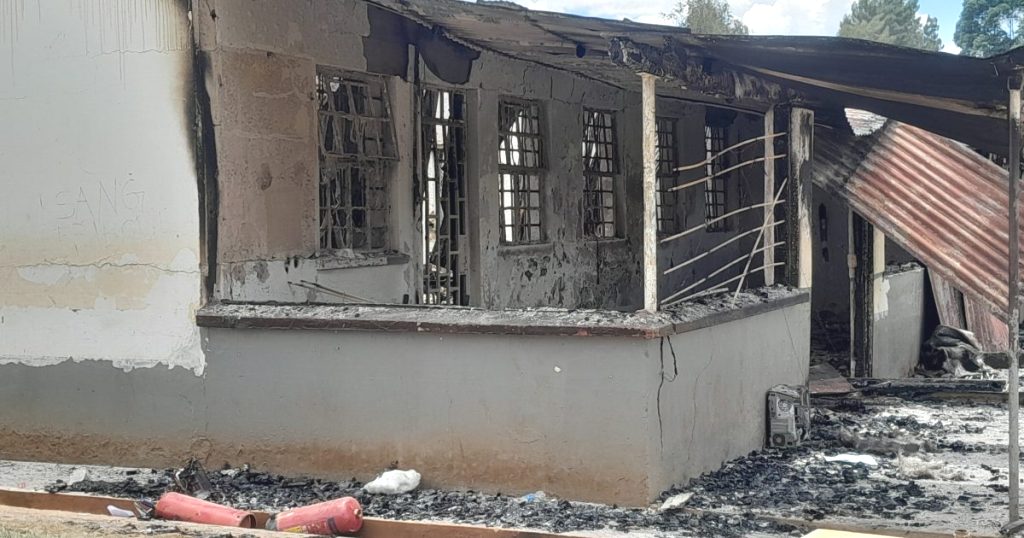
Recent years have witnessed a troubling rise in school unrest, strikes, destruction of property, and, most painfully, the loss of young lives. Every time a school is set ablaze or innocent lives are lost during student unrest, the nation reacts with outrage.
Parents blame teachers. Teachers blame parents. Politicians blame society. Religious leaders blame moral decay. Mainstream and social media quickly fill with opinions, each claiming to have found the root cause.
While these perspectives are valuable, lasting solutions require us to move beyond the blame game and examine one critical factor: the quality of leadership in our schools.
Schools are more than centres of academic instruction; they are communities where values, discipline, emotional well-being, and character are nurtured. Like any community, they rise or fall on the strength of their leadership. The school principal and the administration set the tone for the culture, communication, and relationships that shape the learning environment.
Leadership scholar John C. Maxwell aptly observed, “Everything rises and falls on leadership.” This statement rings particularly true in education.
A school with visionary, ethical, and approachable leadership is more likely to foster trust, resolve conflicts early, and create an environment where students feel heard and respected. Conversely, ineffective leadership can allow grievances to fester, resulting in frustration, indiscipline, and, ultimately, unrest.
It would be simplistic to attribute school strikes solely to poor leadership. Numerous factors contribute to student unrest, including peer influence, social media, family challenges, drug and substance abuse, examination pressure, inadequate facilities, and broader societal tensions.
However, effective leadership determines how these challenges are anticipated, managed, and resolved before they escalate into crises.
ALSO READ:
Utumishi Girls Academy set to reopen a month after deadly dormitory fire
Unfortunately, there have been growing concerns that in some instances, merit has been overshadowed by patronage, political influence, or corrupt practices in recruitment and promotion of school principals. Whether this perception is accurate or not, it underscores the importance of transparent and merit-based leadership appointments.
Educational institutions deserve leaders selected for their competence, integrity, emotional intelligence, and proven ability to inspire positive change rather than for external affiliations.
The demands placed on today’s school leaders have evolved significantly. The 21st-century leader is no longer simply an administrator responsible for enforcing rules. Instead, they are expected to be visionary, adaptive, emotionally intelligent, technologically competent, and embrace collaborative and democratic decision-making.
They must possess excellent communication skills, emotional intelligence, demonstrate fairness in decision-making, embrace diversity, and cultivate a culture of accountability.
Former South African President Nelson Mandela wisely remarked, “Lead from the back-and let others believe they are in front.”* This philosophy reflects servant leadership, where influence is built not through authority but through listening, empathy, and empowering others. Students who feel valued and respected are less likely to resort to destructive forms of protest.
ALSO READ:
The hidden cost of school unrest: What students need to know
Similarly, management expert Peter Drucker noted, “Management is doing things right; leadership is doing the right things. “ School leaders must therefore go beyond administrative efficiency.
They should build systems that encourage student participation, strengthen guidance and counselling services, engage parents meaningfully, support teachers, and establish clear channels for addressing student concerns constructively.
An effective school leader in the 21st Century must demonstrate integrity, emotional resilience, strategic thinking, empathy, decisiveness, accountability, and a commitment to lifelong learning. Such leaders recognize that discipline is not merely about punishment but about building relationships founded on mutual respect and shared responsibility.
They must create school cultures where students feel safe to express concerns without fear and where dialogue replaces confrontation.
As education systems continue to evolve, leadership development should become a national priority. Appointing and continuously training competent school leaders is not merely an administrative exercise; it is an investment in the safety, well-being, and future of our learners.
While no leader can eliminate every challenge, effective leadership can significantly reduce the likelihood of crises and create resilient school communities capable of addressing problems peacefully.
School unrest should never become a normal feature of education. Rather than asking only who is to blame after tragedy strikes, we must ask a more important question: Are we equipping our school leaders with the character, competence, and capacity required to lead today’s schools? The answer to that question may well determine the future of our education system.
By Sarah Muthama
Educator/Teacher Trainer/M&E Professional
You can also follow our social media pages on Twitter: Education News KE and Facebook: Education News Newspaper for timely updates.
>>> Click here to stay up-to-date with trending regional stories
>>> Click here to read more informed opinions on the country’s education landscape
>>> Click here to stay ahead with the latest national news.