- Kenya has proposed the Basic Education Bill 2026 to strengthen accountability over school attendance and unauthorised fees.
- The Bill has outlined fines and jail terms for school heads, parents and individuals who deny children access to education.
- The proposed law has also introduced penalties for corporal punishment and for operating unregistered private schools.
Kenya is set to adopt a stricter legal framework aimed at strengthening every child’s right to basic education, with parents, school administrators and other stakeholders facing significant penalties for deliberately denying children access to schooling or interfering with their education.
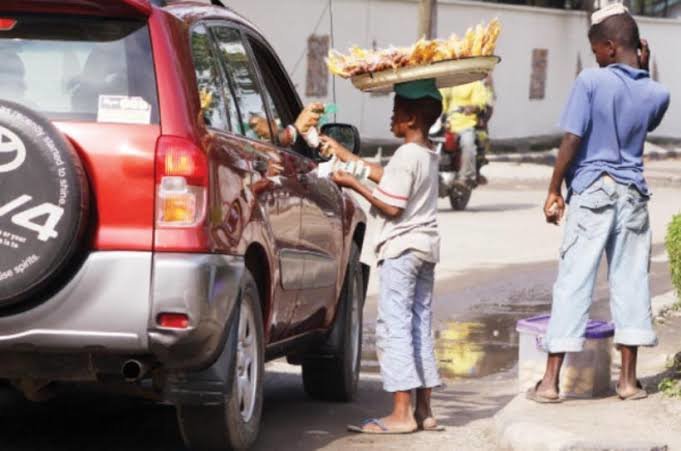
The proposed Basic Education Bill, 2026, sponsored by National Assembly Majority Leader Kimani Ichung’wah, seeks to enhance accountability within the education sector and reinforce the constitutional guarantee of free and compulsory basic education for every child. At its core, the Bill aims to ensure that children not only enrol in school but also remain within the education system and progress smoothly from one level to the next without unnecessary disruption. The framework takes a firm stance against practices that contribute to school absenteeism, including child labour, economic activities, family obligations and certain cultural practices.
Among its key provisions, the Bill targets school administrators who impose unauthorised charges on learners. School officials found guilty of demanding illegal tuition fees or other unauthorised levies could face a fine of up to Sh1 million, imprisonment for up to three years, or both.
Parents and legal guardians also carry significant responsibility under the proposed law. A parent who fails to ensure that a child is enrolled in school at the start of the academic year could face a fine of up to Sh100,000, imprisonment for up to two years, or both.
ALSO READ:
Basic Education Bill: What proposed school charges mean for parents
School principals would be required to investigate and document cases of unexplained absenteeism and engage parents or guardians where a learner repeatedly misses school. Where a parent fails to respond to written communication from school authorities regarding a child’s unexplained absence, without providing a reasonable explanation, they could face an additional fine of up to Sh200,000, imprisonment for up to two years, or both.
The most severe proposed penalty targets individuals who deliberately keep children out of school for reasons such as child labour, income-generating activities, family conflicts or cultural obligations. Such offenders could face a fine of up to Sh5 million, imprisonment for up to five years, or both.
The Bill further seeks to strengthen protections for learners within educational institutions. Corporal punishment, torture and any form of degrading physical or psychological treatment would be prohibited, with offenders liable to fines of up to Sh100,000, six months’ imprisonment, or both.
ALSO READ: Proposed law could bar teachers from striking during national exams
The proposed framework would also impose substantial penalties on individuals operating private schools without proper registration, with those found running unregistered institutions facing fines of up to Sh20 million.
By Hillary Muhalya
You can also follow our social media pages on Twitter: Education News KE and Facebook: Education News Newspaper for timely updates.
>>> Click here to stay up-to-date with trending regional stories
>>> Click here to read more informed opinions on the country’s education landscape
>> Click here to stay ahead with the latest national news.