

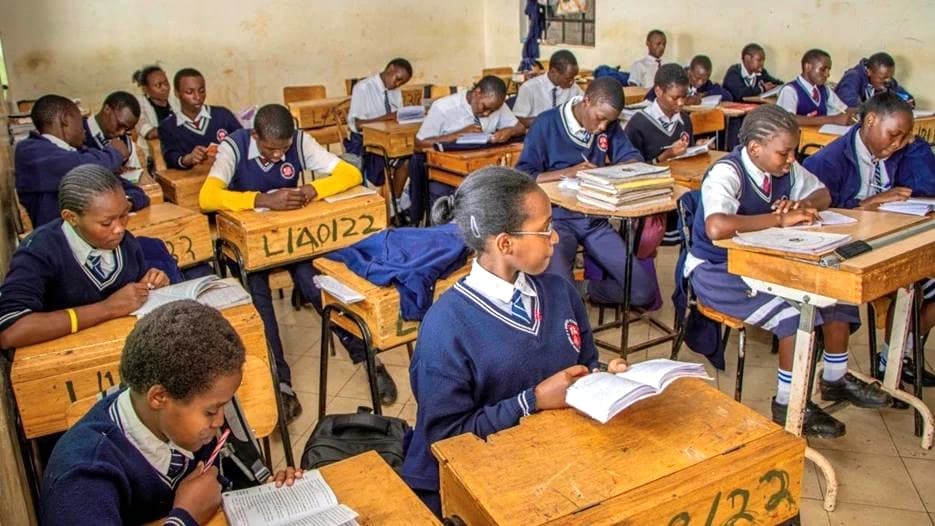




- Hillary Muhalya examines Treasury’s proposed PAYE changes targeting lower-paid salaried workers ahead of October consultations.
- About 1.5 million workers earning KSh30,000 or below could pay zero PAYE under the proposal.
- The existing KRA tax bands remain applicable because the proposed changes have not yet become law.
About 1.5 million salaried Kenyans earning KSh30,000 or below have been placed at the centre of a proposed PAYE overhaul by Treasury Cabinet Secretary John Mbadi, as the Government prepares to take the tax changes to the public in October.
Mbadi first announced the proposal in February, saying more than 1.5 million employed Kenyans earning KSh30,000 or less would be removed from the PAYE bracket, while workers earning between KSh30,000 and KSh50,000 would benefit from a lower tax rate. According to figures Mbadi attributed to the National Exchequer, about 3.65 million Kenyans were salaried, with about 1.5 million earning KSh30,000 and below.
The proposal, however, has yet to become law.
The latest development is Treasury’s decision to open a wider public conversation on taxation in October, bringing the PAYE question back into focus after the promised relief failed to appear in the 2026/27 Budget. The omission had left more than one million low-paid employed Kenyans waiting for the proposed exemption.
Treasury Principal Secretary Boniface Makokha said the Finance and Economic Week will run from October 12 to 18, providing a platform for Kenyans and other stakeholders to engage the Government on tax reforms and broader economic issues.
At the centre of the proposed changes is a new PAYE threshold.
Under the proposal announced by Mbadi, workers earning KSh30,000 or less per month would pay zero PAYE.
For those earning between KSh30,000 and KSh50,000, Treasury has proposed reducing the applicable PAYE rate by five percentage points to 25 per cent.
The distinction is important because the 25 per cent figure should not be read as a blanket 25 per cent deduction from an employee’s entire salary.
PAYE is calculated through graduated tax bands. Therefore, the final amount an employee would pay under any new structure will depend on how Parliament ultimately legislates the bands and how other applicable reliefs and deductions are treated.
Mbadi’s proposal would effectively raise the point at which employment income begins attracting PAYE from the current system.
The existing PAYE structure remains in force until any new legislation is passed and takes effect.
According to the Kenya Revenue Authority, the current monthly income-tax bands, effective from July 2023, apply rates ranging from 10 per cent to 35 per cent.
The first KSh24,000 is taxed at 10 per cent, the next KSh8,333 at 25 per cent, the next KSh467,667 at 30 per cent, the next KSh300,000 at 32.5 per cent, while income above KSh800,000 is taxed at 35 per cent. KRA also provides a monthly personal tax relief of KSh2,400.
This means the proposed KSh30,000 threshold would represent a significant change from the existing statutory framework, but workers should continue to see PAYE calculated under the current rules until the proposed reforms are legally enacted.
Why the 1.5 million figure matters
The figure given by Mbadi provides the clearest indication so far of the number of salaried workers Treasury expects to be directly affected by the proposed exemption.
It is important, however, to describe the number as a Treasury estimate attributed to Mbadi, rather than as a fresh independent national employment census.
The figure also refers to employed Kenyans within the salaried/PAYE population. It does not mean that every Kenyan earning less than KSh30,000, including informal workers and others outside the PAYE system, would automatically benefit.
For those covered by the proposal, the immediate effect would be on the amount deducted from their salaries as PAYE.
The second component of the proposal targets workers earning above KSh30,000 but no more than KSh50,000.
Treasury has described the change as a reduction of the PAYE rate from 30 per cent to 25 per cent for this group.
But because Kenya’s PAYE system is progressive, the final legislation will be critical in determining precisely how the new rate interacts with the different income bands.
This is why the October consultations could be significant. Stakeholders will have an opportunity to examine not only the headline tax rates but also the technical details of the proposed amendments.
The proposed exemption also raises a fiscal question for Treasury: how much revenue would Government forgo by removing low-income salaried workers from PAYE?
Mbadi himself acknowledged earlier that reducing PAYE for workers earning KSh30,000 and below would create a hole in Government revenue because the Exchequer would collect less money.
The Government therefore faces two linked questions—how to provide relief to lower-paid workers while maintaining sufficient revenue to finance public services and meet its fiscal obligations.
That tension has been part of the PAYE debate since the proposal was first announced.
October consultations widen the debate
The PAYE review will now form part of a broader Treasury programme covering taxation and the management of the economy.
According to Makokha, the October 12–18 Finance and Economic Week will address revenue mobilisation and taxation reforms, public finance and debt management, savings and investment, private capital mobilisation, pensions and financial inclusion, among other issues.
The consultations therefore provide an opportunity for the PAYE proposal to be examined alongside the wider question of how Kenya raises and spends public money.
For workers, however, the debate will remain closely tied to the monthly payslip.
The proposed zero-PAYE threshold could affect the approximately 1.5 million salaried workers Mbadi identified as earning KSh30,000 or below, while the proposed reduction for the KSh30,000–KSh50,000 group would extend the discussion to another section of the workforce.
But neither proposal has yet altered the law.
Until Parliament considers and approves the necessary amendments and they take effect, employers will continue applying the existing KRA PAYE bands.
READ ALSO: Nyandarua, Laikipia stakeholders push for fairer education funding, support for vulnerable learners
The October public participation process could therefore become the next major test of Treasury’s plan to change how employment income is taxed—and determine whether the proposal announced by Mbadi in February eventually becomes part of Kenya’s tax law.
By Hillary Muhalya
Get more stories from our website: Education News
To write to us or offer feedback, you can reach us at: editor@educationnews.co.ke
You can also follow our social media pages on Twitter: Education News KE and Facebook: Education News Newspaper for timely updates.
>> Click here to stay up-to-date with trending regional stories


Reader Discussion (0)
Sign in to comment