- President William Ruto has pledged increased Government funding for co-curricular activities in schools.
- The commitment comes as schools grapple with costs of sports, music, drama and other programmes.
- The revised allocation is yet to be formally communicated, leaving schools awaiting implementation details.
President William Ruto has pledged to enhance Government funding for co-curricular activities in schools, drawing renewed attention to the resources allocated for sports, games, music, drama and other learner development programmes.
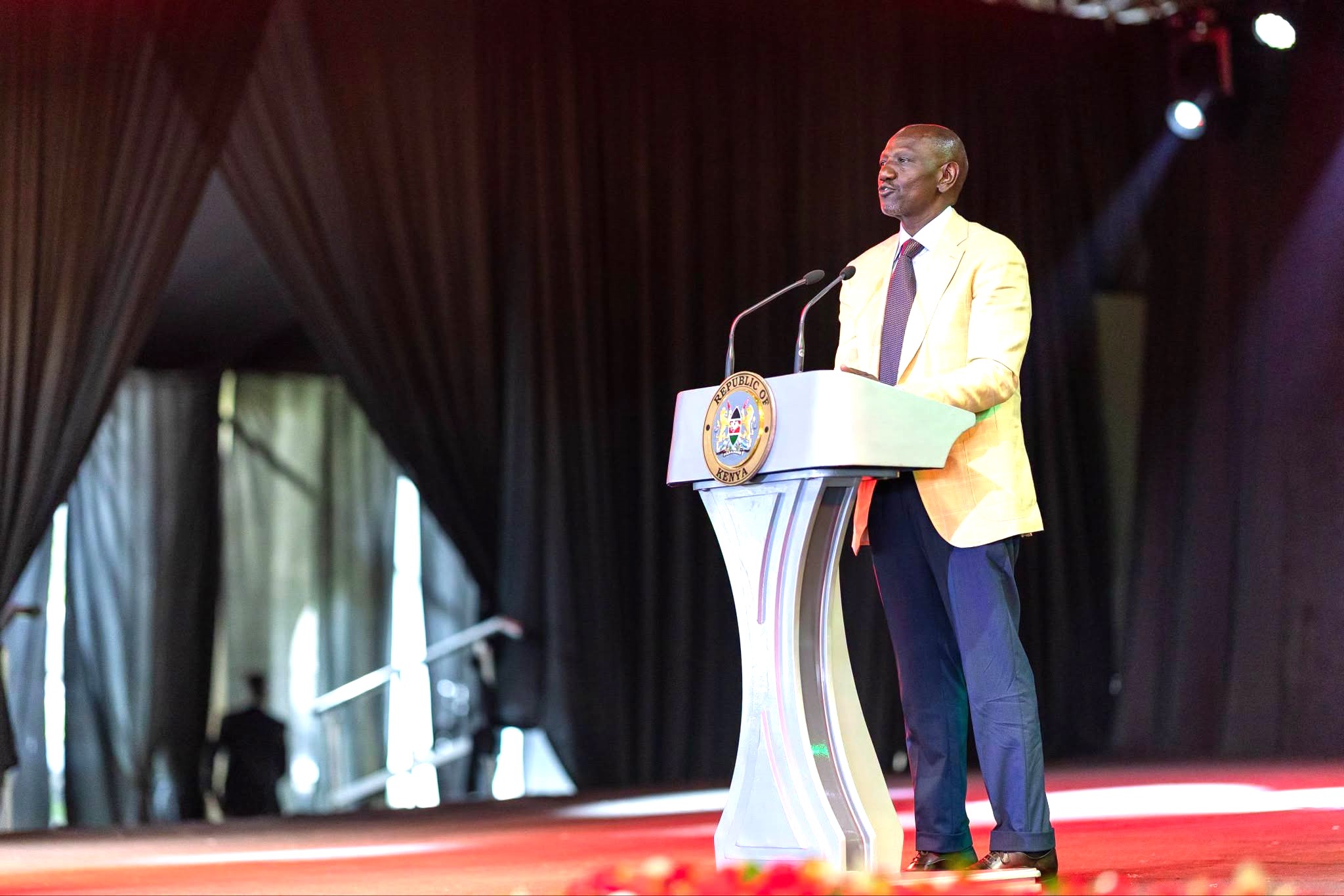
The President made the remarks at Bungoma State Lodge, where he also recognised and rewarded institutions that have demonstrated strong performance in co-curricular activities. The event underscored the critical role of activities beyond the classroom in promoting holistic learner development.
The event was the 98th Kenya Music Festival State Concert, held at Bungoma State Lodge on August 14, 2026. Contemporary reports confirm that Ruto recognised winning institutions and announced financial support for national winners.
For years, school heads and education stakeholders have raised concerns regarding the adequacy of the co-curricular vote head. Their concerns have largely centred on the rising costs associated with facilitating learners’ participation in approved sports, games, music, drama and related activities.
Schools require sufficient resources to organise and participate in competitions and other programmes. Depending on the activity and location, institutions may need to provide transport, sporting equipment, uniforms, musical instruments and other materials, in addition to meeting approved logistical requirements for participation.
The increasing cost of these activities has heightened the need for predictable and adequate financing. School administrators must plan their programmes in advance and ensure that learners who qualify for various levels of competition are properly supported.
Under the existing funding framework, reference figures for annual co-curricular allocations have been cited at KSh76 per learner for primary schools, KSh700 for Junior Secondary Schools and KSh1,500 for secondary schools.
These figures should be understood within the broader Government capitation system. The annual allocation does not necessarily translate into a direct transfer of the full amount to individual institutions. Some funds may be retained centrally to support activities organised at sub-county, county, regional or national levels.
This distinction is important when assessing the resources available to individual schools. The amount reflected in a given termly disbursement may also differ from the annual reference figure, as Government funding is often released in instalments and administered through multiple channels.
Schools await revised allocation
The President’s commitment to enhance the vote head has therefore generated expectations among school leaders and other education stakeholders that future disbursements may provide increased support for co-curricular programmes.
This anticipated improvement is significant, given that co-curricular activities form an integral part of the broader educational experience. Sports, music, drama, clubs and other approved programmes provide learners with opportunities to develop teamwork, discipline, leadership, creativity, confidence and communication skills.
They also serve as platforms for identifying and nurturing talent. Some learners demonstrate exceptional abilities in athletics, football, volleyball, music, drama, debating, creative arts and other areas. Supporting such learners to develop their potential complements academic learning and contributes to their overall growth.
The recognition of high-performing institutions at Bungoma State Lodge further highlighted the value placed on excellence in co-curricular activities. Rewarding institutions and learners who excel can encourage schools to sustain participation while motivating learners to pursue excellence across diverse fields.
An enhanced vote head could also strengthen institutional planning. With more predictable resources, school administrators would be better positioned to organise activities, maintain essential equipment and facilitate learners’ participation in approved programmes.
However, the revised co-curricular allocation announced by the President has not yet been officially published. It would therefore be inappropriate to present any unconfirmed figure as the new Government allocation.
Until the Ministry of Education issues an official circular, capitation schedule or other authorised communication confirming the revised amount, schools are advised to continue operating under the currently communicated funding provisions.
Need for clarity on implementation
The anticipated review also presents an opportunity for the Government to strengthen clarity in the administration of co-curricular funding. Clear guidelines on disbursement, eligible activities, utilisation and accountability would enable institutions to plan more effectively and ensure that resources are used for their intended educational purposes.
Predictable funding is particularly important because co-curricular programmes run throughout the school calendar and often involve activities at multiple levels. Timely communication would allow institutions to prepare budgets and programmes without relying on unverified expectations.
The President’s pledge has therefore renewed focus on an issue that has long concerned school administrators and education stakeholders. The immediate expectation now rests on the relevant Government agencies to issue formal communication on the revised provision through the appropriate channels.
For schools, teachers and learners, an improved co-curricular vote head would provide an opportunity to strengthen participation in sports, games, music, drama and other programmes, while further supporting the development of well-rounded learners.
The recognition of successful institutions at Bungoma State Lodge also served as a timely reminder that education extends beyond academic achievement. Supporting learners’ talents and interests requires both recognition and adequate institutional support.
READ ALSO: Why we must protect children before tragedy strikes: Lessons from Kamarie Holland’s death
As schools await the next disbursement, attention remains focused on the official communication of the revised vote head and its implementation within the established education financing framework.
By Hillary Muhalya
You can also follow our social media pages on Twitter: Education News KE and Facebook: Education News Newspaper for timely updates.
>>> Click here to stay up-to-date with trending regional stories
>>> Click here to read more informed opinions on the country’s education landscape