- Plan International has handed over a new ECDE facility in Nationokar, Turkana West, to the county government, ending years of children travelling to the refugee camp for early learning.
- Parents and school officials have welcomed the centre, saying it has elevated Nationokar into a comprehensive school offering ECD through junior secondary levels.
- Plan International’s George Otim has called for additional facilities, warning that the new centre’s 100-learner capacity is insufficient for the area’s growing host and refugee populations.
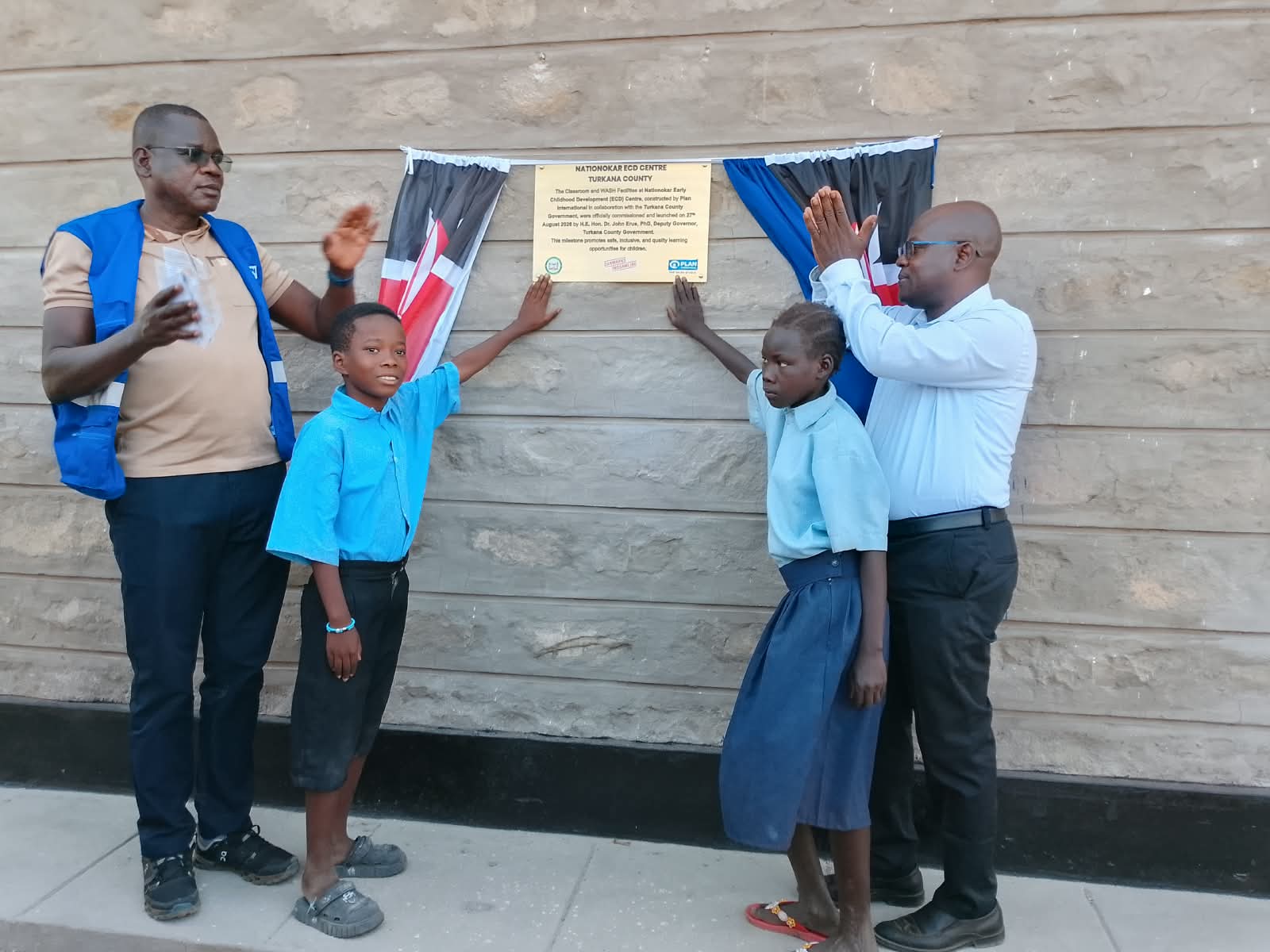
Residents of Nationokar in Lopur Ward, Turkana West, now have an Early Childhood Development Education (ECDE) centre after Plan International completed and handed over a block consisting of two ECDE classrooms and offices to the County Government.
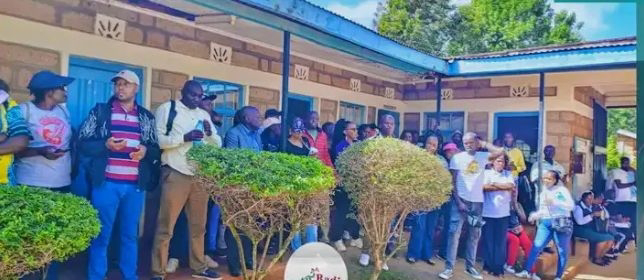
Deputy Governor Dr John Erus received the newly completed ECDE centre on behalf of the county government in a handover ceremony with Plan International Kenya Country Director George Otim, which is expected to end years of children having to seek early learning in the refugee camp.
The facility, comprising two ECDE classrooms and offices, was completed by Plan International and also includes a sanitation block with a two-door toilet for boys and girls and a hand-washing point. It was supported by Danmark Indsamling through the three-year Nurturing Futures Project, running from April 2024 to March 2027. The ceremony was attended by officials from Swisscontact, Water Mission and APAD, co-implementing partners under the consortium running the programme.
Parents in the area welcomed the intervention, saying it will ease the burden of accessing early learning. Sam Eipa noted that children had previously been forced to seek learning opportunities in the refugee camp, costing them both time and money, while Samuel Ebei said parents had constantly worried about their children’s safety due to the long distance, adding that some children had dropped out of school as a result.
ALSO READ:
MoE invites schools to participate in first-ever comprehensive handbook of accredited schools
According to Head of the Institution Edward Lobuin, the intervention has elevated Nationokar into a true comprehensive school, now offering an ECD section, lower and upper primary, and junior secondary school. “Transition rates will most likely improve since the facility provides education for all levels before proceeding to senior secondary,” he said.
Dr Erus said the facility’s completion in record time demonstrated the benefit of implementing projects through local civil society organisations while using locally adaptable technology to benefit the target population. He urged the local population to take full advantage of the new facility by ensuring all eligible children enrolled. He said the county would continue working with partners to meet the shared goals of the KISEDP and Shirika plan.
Kenya deepens Australia partnership as TVETs target international skills standards
Otim described the facility as deliberate infrastructure designed to improve the well-being, nutrition, protection and holistic development of crisis-affected children aged 0-8 residing in the Kakuma refugee camp, Kalobeyei settlement scheme and Lopur Ward. He called on partners to initiate a new programme to expand the facility, citing the large population of both host and refugee communities likely to place pressure on it. “What we, Plan International and co-implementing partners, have done is a drop in the ocean. The classroom best fits 100 learners at most at any particular learning period. However, this is a densely populated area that requires additional facilities to serve the already huge and constantly growing numbers of the refugee population and host community,” he said.
Before the handover, Plan International also showcased its health services outreach and Parenting Under Pressure programme, which targets host and refugee populations with life-saving interventions and capacity enhancement for parents to safeguard their children. In addition to the school infrastructure, Plan International runs an active programme connecting schools to source boreholes for water access and improved sanitation standards.
By Otieno Sadat
Get more stories from our website: Education News
To write to us or offer feedback, you can reach us at: editor@educationnews.co.ke
You can also follow our social media pages on Twitter: Education News KE and Facebook: Education News Newspaper for timely updates.
>>> Click here to stay up-to-date with trending regional stories