

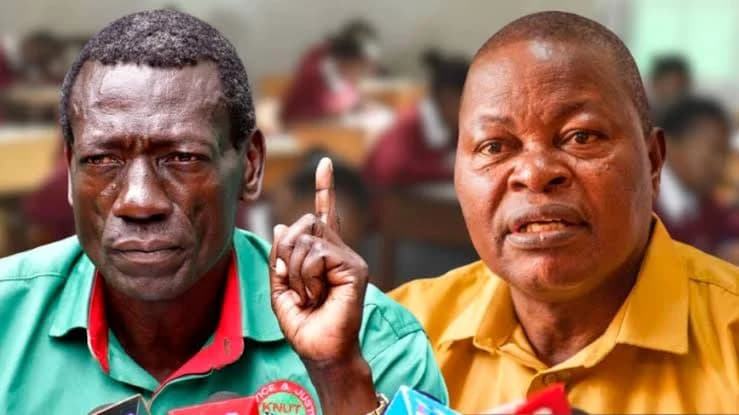
The Basic Education Bill, 2026, proposes to entrench the comprehensive school model in law by housing primary and Junior Secondary education within one institution, a proposal that has sharply divided Kenya's two major teacher unions: the Kenya National Union of Teachers (KNUT) and the Kenya Union of Post-Primary Education Teachers (KUPPET).
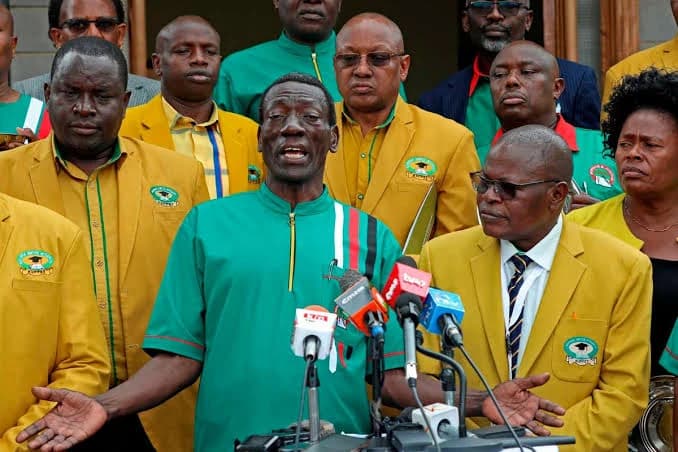
KUPPET wants Parliament to abandon that model and establish Junior Secondary Schools as autonomous institutions, while KNUT is opposing the separation and backing the Bill's integrated approach. The disagreement emerged during public participation forums in Homa Bay, Kisumu, Makueni and Taita Taveta as the National Assembly Departmental Committee on Education and Research collected views on six education reform Bills.
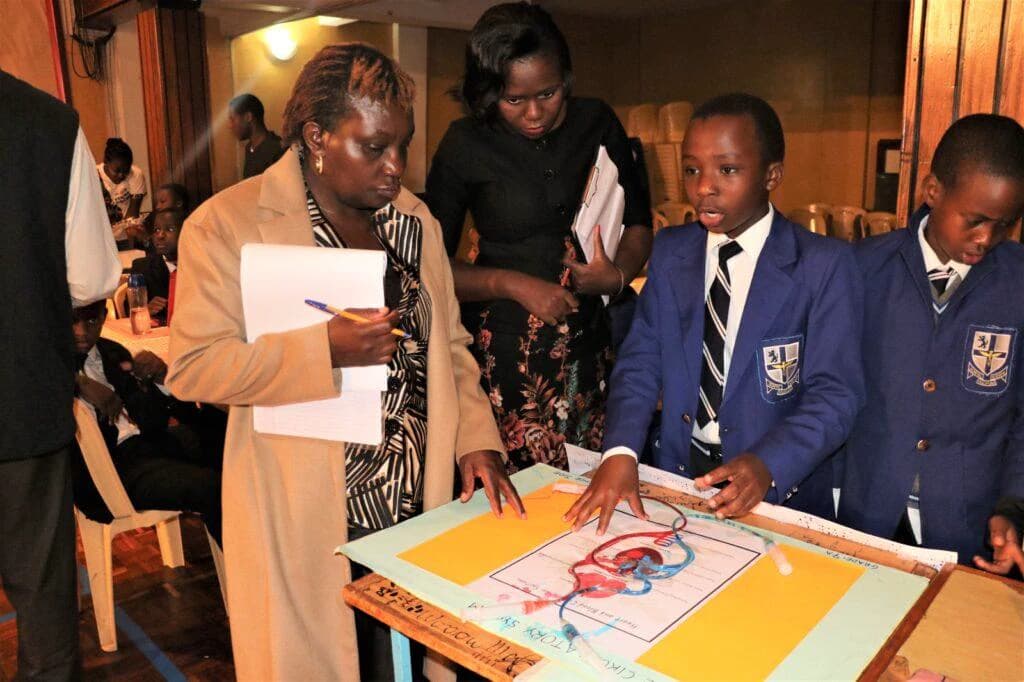
Under the proposed Basic Education Bill, a comprehensive school would be an institution offering primary and junior school within a unified structure. The Bill therefore gives legal recognition to an arrangement that has become central to the reorganisation of basic education under the new system. It is this provision that KUPPET wants changed.
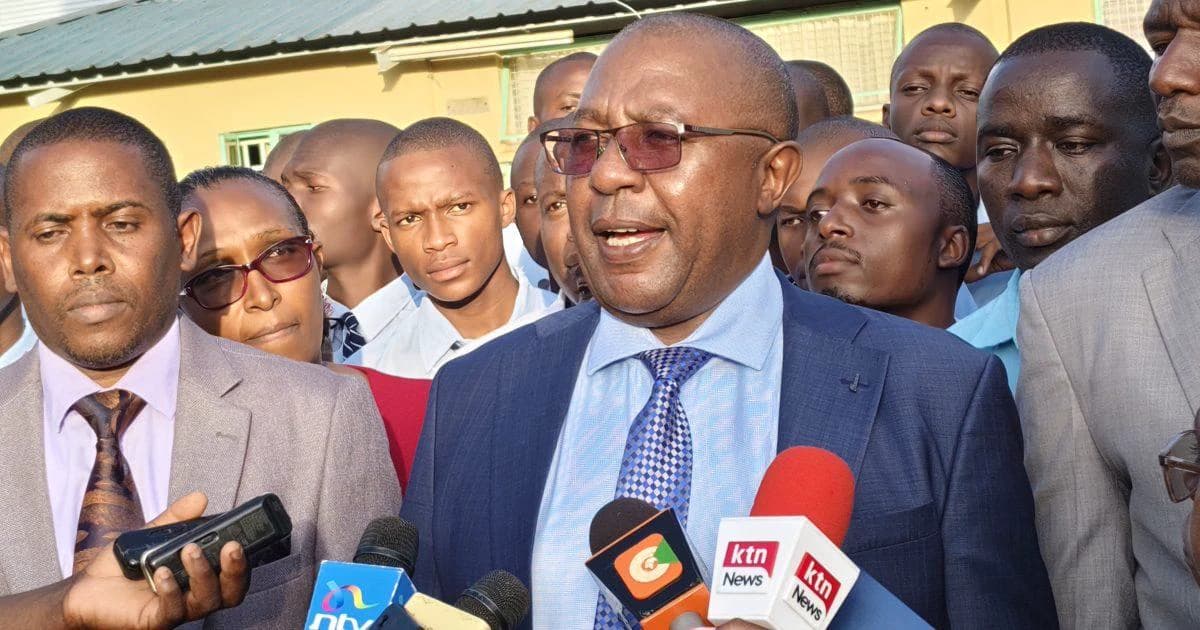
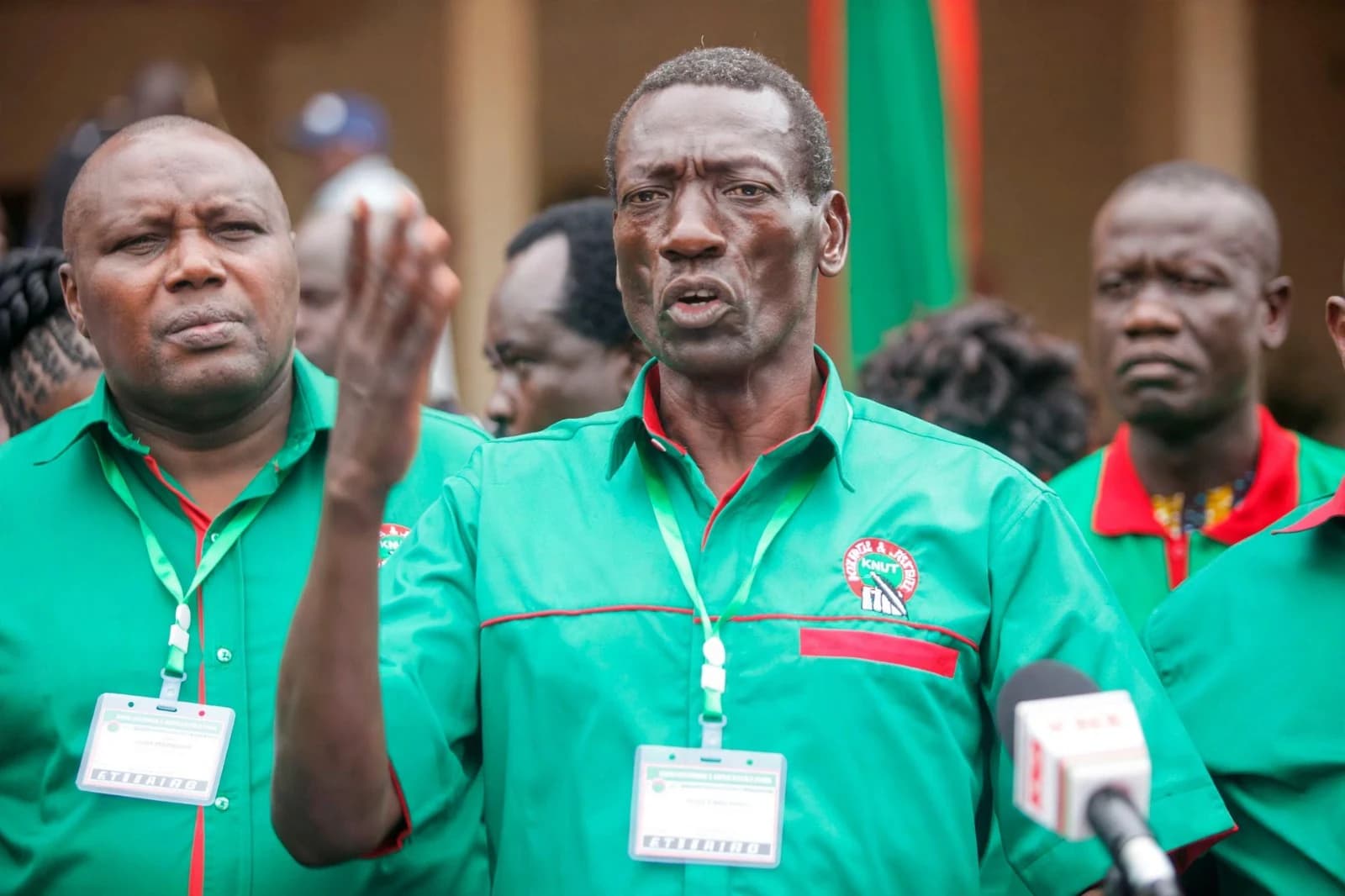
Speaking during the Kisumu hearing, KUPPET called for references to comprehensive schools to be removed and replaced with provisions establishing autonomous Junior Secondary Schools with their own structures. KNUT, however, rejected the proposal, arguing that separating JSS from primary schools would create additional demands on government resources and undermine the integrated model.
The dispute is therefore not over whether Kenya should implement Competency-Based Education. CBE is the broader curriculum and learning framework. The Bill's contested provision addresses a narrower but consequential question: how should JSS be organised as an institution? That distinction is crucial, since the proposed law would determine whether JSS remains physically and institutionally linked to primary education through the comprehensive school model or becomes a separate category of public school. The choice has implications for school organisation, teacher deployment, leadership structures, infrastructure and public funding.
The JSS clause is not the only provision facing resistance. Teachers have challenged a proposal requiring school heads to report parents who fail to enrol their children in school for possible arrest, arguing that enforcement of compulsory education should not become primarily a responsibility of school heads. They have also opposed the Bill's treatment of corporal punishment as a criminal offence, saying the provision could expose teachers to victimisation, with some stakeholders proposing language that expressly protects children from torture and abuse.
The unions have further challenged a provision restricting teachers contracted by the Kenya National Examinations Council from taking part in strikes during national assessments, arguing that it infringes their constitutional right to strike.
The Basic Education Bill is intended to provide the statutory framework for the reorganisation of basic education. Its provisions will determine how schools are classified, how learners move through the system and how key responsibilities are distributed.
The public participation exercise on the six education Bills began on September 14 and will run until September 25, with further hearings scheduled in Machakos, Kisii, Embu and Kericho.
By Hillary Muhalya

Reader Discussion (0)
Sign in to comment