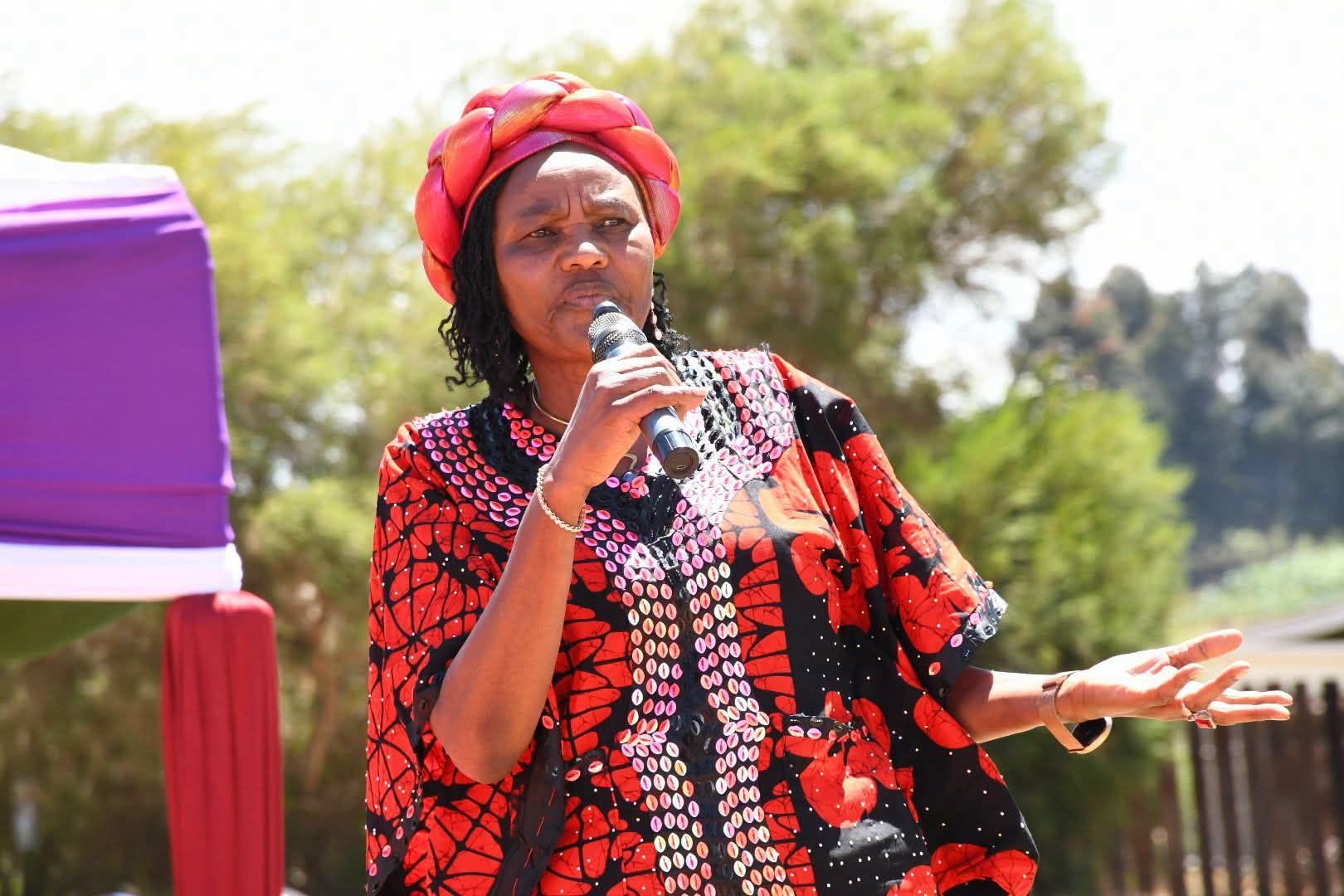
- Population Council Kenya researcher Lilian Agesa has revealed that over 30 per cent of Homa Bay girls fail to complete secondary school due to teenage pregnancy, poverty, HIV and SGBV.
- School dropout has been linked to early marriage, orphanhood and children taking on parental responsibilities at a young age.
- Officials have pledged targeted mentorship, bursaries and resource allocation under the newly launched Gender in Education Action Plan 2026-2030.
More than 30 per cent of girls in Homa Bay County fail to complete secondary school despite successfully transitioning from primary education, a researcher has said.
Population Council Kenya lead researcher Lilian Agesa said teenage pregnancies, poverty, child labour, HIV infections and sexual and gender-based violence were among the factors pushing girls out of school. Agesa was speaking during the launch of the Gender in Education Action Plan 2026-2030, a programme developed by Population Council Kenya in partnership with the government and education stakeholders. “Homa Bay is one of the counties with high dropout prevalence for girls at secondary school level. More than 30 per cent of girls do not complete secondary school despite transitioning from primary school,” Agesa said.
She said the county’s education statistics present a different picture at primary level, where girls have a higher completion rate than boys. According to the figures presented by Agesa, 85.5 per cent of girls complete primary school compared with 70.3 per cent of boys. At secondary level, however, completion falls to 52.9 per cent for girls compared with 56.7 per cent for boys.
Agesa said the action plan would seek to address the gender imbalance by identifying and responding to barriers that prevent learners from completing their education, noting that girls are particularly affected by social problems within communities. She also noted that boys were dropping out of school because of economic challenges. “We also have boys dropping out of school because of challenges like poverty and child labour that affect them,” she said.
ALSO READ:
Homa Bay County Director of Education Eunice Khaemba said teenage pregnancy, new HIV infections and SGBV were among the major challenges confronting girls, adding that early marriages, poverty and orphanhood were also contributing to school dropout and delayed enrolment. “Some of the children head their families. They take over parental responsibilities, and these make them go to school when they are older as compared to other children,” Khaemba said. She warned that older girls were more vulnerable to teenage pregnancy, further complicating efforts to retain them in school.
Stakeholders attending the launch pledged to support measures aimed at improving school retention and completion. Homa Bay County Gender Committee Executive Elijah Munga said the county government had already implemented mentorship and community engagement initiatives, particularly in areas affected by high dropout rates, and that the new plan would provide data to help the county better target its resources. “We will focus our energies and resources on the sub-counties that are highly hit. We’ve had several mentorship programs, community engagement, especially in the Suba region, because the numbers show where we have rampant cases,” Munga said.
County Education Committee Executive Martin Opere said the plan would help address gaps emerging as learners progress from primary to senior school. “Statistics show that we do well at access, retention, and completion at primary level, but not at senior school,” Opere said, adding that the county would support learners through bursaries and scholarships, including assistance for students in senior schools and vocational training centres.
ALSO READ: North Eastern National Poly hosts PSC capacity-building workshop for county officials
Deputy County Commissioner Philip Kipsang urged stakeholders to ensure both boys and girls have equal opportunities to access and complete education, calling for full implementation of the plan and saying its launch should mark the beginning of measurable interventions across the county.
By Kimutai Langat
Get more stories from our website: Education News
To write to us or offer feedback, you can reach us at: editor@educationnews.co.ke
You can also follow our social media pages on Twitter: Education News KE and Facebook: Education News Newspaper for timely updates.
>> Click here to stay up-to-date with trending regional stories