- A multi-agency team has begun planning interventions to address flooding from Lakes Baringo and Bogoria, which has affected at least 11 schools and displaced families in Baringo County.
- Climate Change Department Director Dr Pacifica Ogola has said the team has 90 days to develop preparedness measures ahead of anticipated El Niño rains in October and November.
- Residents and officials have proposed solutions including draining excess water through tunnels, constructing a dyke between the lakes, redirecting rivers and building check dams to reduce erosion and siltation.
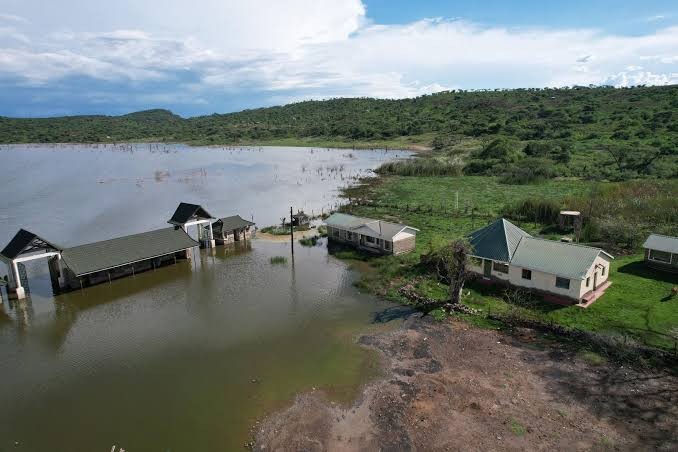
At least 11 schools in Baringo County have been submerged or severely affected as rising waters from Lakes Baringo and Bogoria continue to displace families and destroy infrastructure, prompting a multi-agency team to begin planning both immediate and long-term interventions to protect surrounding communities.
The flooding has disrupted learning and exposed pupils and teachers to dangerous wildlife, with crocodiles, hippos and snakes spotted near school compounds and classrooms after playing fields and surrounding areas were submerged. In some areas, roads and footpaths have disappeared underwater, forcing pupils to use makeshift wooden canoes, locally known as kaldich, to reach school. Standing water has also raised health concerns, with displaced pupils reportedly experiencing an increase in malaria cases.
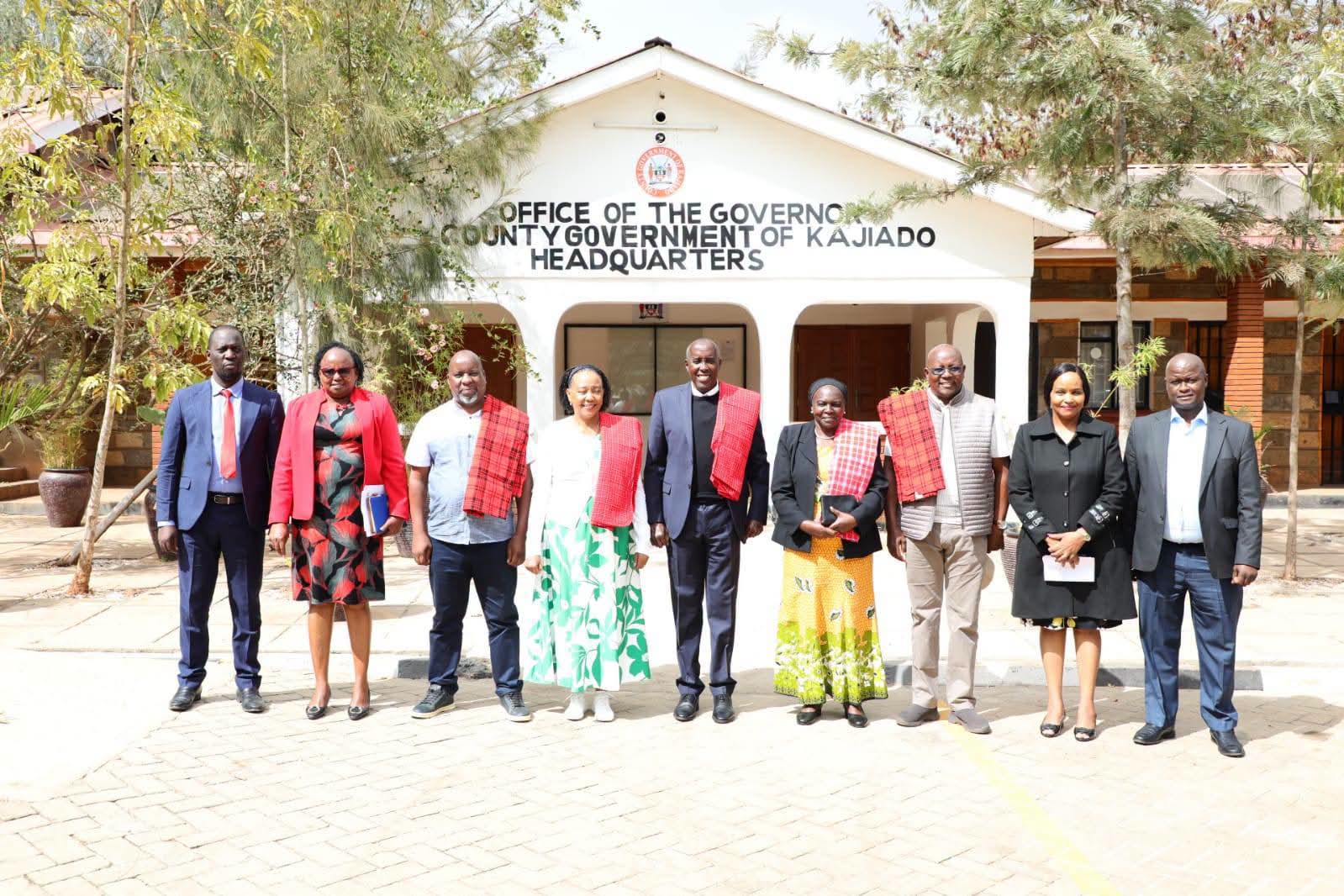
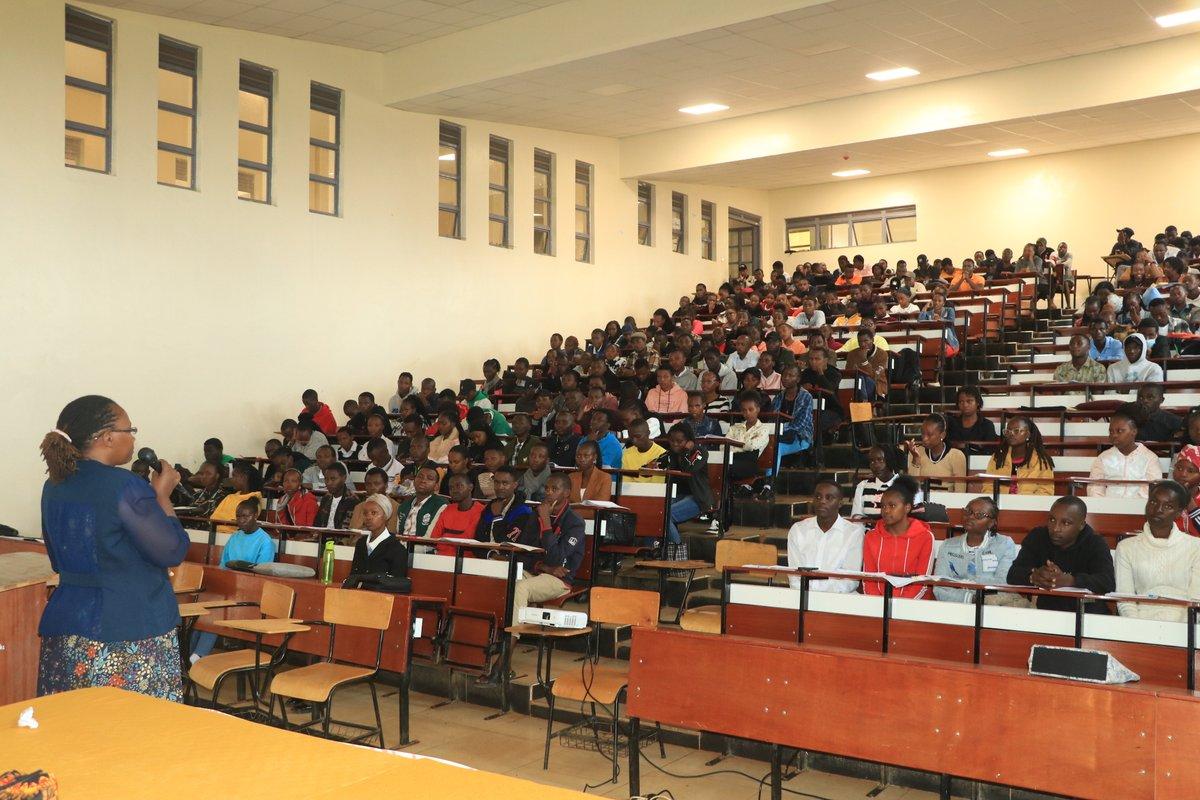
Speaking during a field visit to Lake Bogoria and Lake Baringo in Marigat Sub-County on Tuesday, Climate Change Department Director Dr Pacifica Ogola said the team was working with the Kenya Defence Forces and other agencies to find solutions to the crisis. “We are deeply disturbed by the massive displacement caused by the rapidly expanding shorelines across the two lakes, to the extent that it has affected the region’s rich biodiversity,” she said, adding that the team had been given 90 days to develop preparedness measures ahead of the anticipated El Niño rains in October and November, which could worsen the situation.
“We are requesting the local communities to give us their solutions and provide the exact number of those who are affected for them to be considered,” Ogola said.
ALSO READ:
Lobby group urges TSC to act on rising depression cases among North Rift, Western Kenya teachers
Residents have proposed measures including draining excess water through tunnels and constructing a dyke to prevent the two lakes from merging. Jonathan Tireito, a resident of Loboi, said the Lake Bogoria community had witnessed gradual expansion of the lake for years before the situation worsened after 2013. “The waters consumed most of our land, and we are now living as squatters,” he said, adding that residents had lost farms and livestock-holding areas that had supported them for decades, and calling for compensation since affected families could no longer return to their original parcels, which are now submerged.
Michael Kiptishia said rivers Loboi and Waseges had changed course and were now draining into Lake Bogoria instead of Lake Baringo, calling for the redirection of the rivers and construction of check dams upstream to reduce erosion and siltation. He also urged authorities to prioritise construction of the road linking Mochongoi.
The crisis has also hit tourism. Michael Kimeli, an official at Lake Bogoria National Game Reserve, said rising waters had contributed to declining numbers of flamingos and other wildlife, including impalas and gazelles, and that hippos and crocodiles displaced by the expanding waters were increasingly coming into contact with neighbouring communities. He also warned that Lake Bogoria’s famous hot springs, a major tourist attraction, were slowly being covered by the expanding lake.
Baringo Governor Benjamin Cheboi, who accompanied the committee during visits to affected areas, expressed optimism that the exercise would lead to a lasting solution, urging residents living in high-risk areas to take personal initiative and relocate temporarily while the national and county governments work on permanent interventions.
Among the affected institutions are Lor Primary, also known as Loruk Primary, where nearly half of the school compound is underwater, with dormitories and latrines flooded. Nasukuro, Kiserian, Soot/Sintaan, Santan, Longeran/Lorok and Lake Bogoria primary schools have also been affected. Secondary schools facing the threat include Lake Bogoria Girls Secondary, Salabani Secondary, Ng’ambo Girls Secondary and Lake Baringo Mixed Secondary School, while Ng’ambo Primary, Katuwit, Leswa, Loropil, Ilng’arua and Ng’enyin primary schools are among other facilities reported to be affected.
By Kimutai Langat
Get more stories from our website: Education News
To write to us or offer feedback, you can reach us at: editor@educationnews.co.ke
You can also follow our social media pages on Twitter: Education News KE and Facebook: Education News Newspaper for timely updates.
>>> Click here to stay up-to-date with trending regional stories