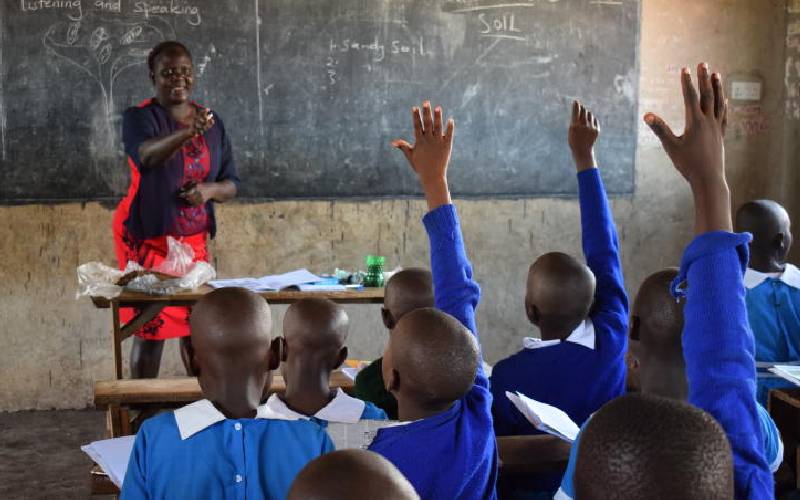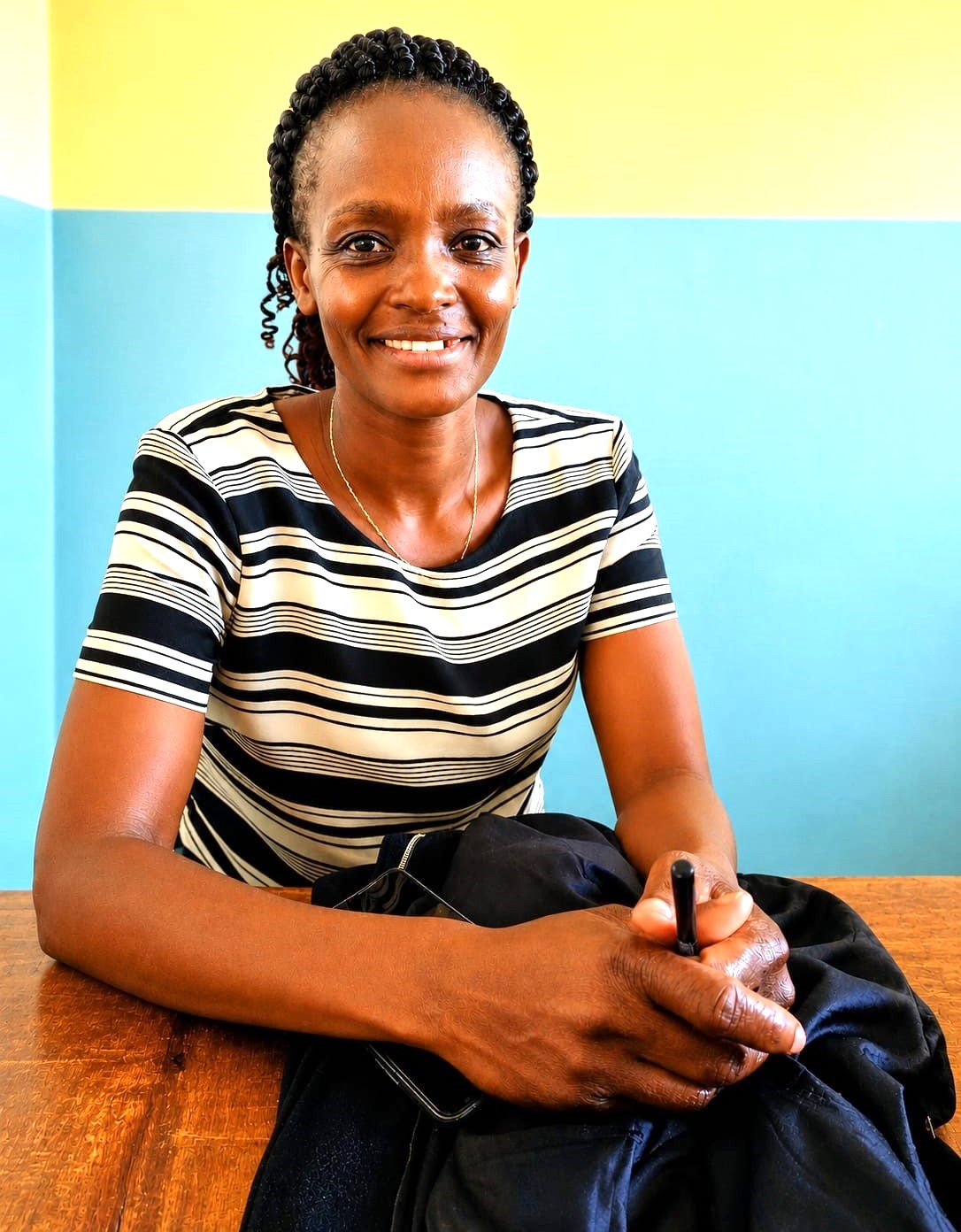
- Astiba Kebongo examines how peer pressure and social media are shaping learners’ lives and explains why guidance and counselling are essential in building confident, disciplined and responsible young people.
- Peer pressure and social media are increasingly shaping learners’ behaviour, values and academic performance.
- Guidance and counselling remain critical in helping young people build confidence, resilience and responsible digital habits.
- Parents, teachers, schools and communities must work together to address negative peer influence.
If peer pressure is the elephant in the room in our schools today, then addressing it requires more than rules and punishment—it demands a team of professionals equipped with guidance and counselling skills.
Parents, teachers, school administrators, religious leaders, policymakers and the wider community must work together with precision, patience and purpose to confront this growing challenge before it silently erodes the values, discipline and academic aspirations of our young people.
“Show me your friends, and I will show you your future.”
This timeless proverb captures the profound influence that peers have on the choices, values and aspirations of learners.
In today’s digital age, peer pressure has extended beyond the school compound and now follows learners into their homes through social media platforms, where the desire to fit in, gain approval and attract attention often overshadows the pursuit of education and character development.
Many learners are increasingly struggling to appreciate their unique backgrounds and circumstances.
Instead, they find themselves trapped in a cycle of comparison, seeking validation from peers and online audiences.
The pressure to fit in often compels learners to desire lifestyles, gadgets and experiences beyond their families’ means.
Some even resort to dishonesty, convincing parents that they need expensive smartphones or a stronger online presence simply to belong.
Social media and learner behaviour
The influence of social media has amplified this reality.
Platforms such as TikTok, Instagram, Facebook and X provide opportunities for learning, creativity and communication.
However, they can also encourage unhealthy competition and an obsession with attention and approval.
It is not uncommon to find learners spending countless hours creating content, following trends and chasing online popularity while neglecting assignments, revision and personal growth.
Many return to school after holidays fully conversant with viral online trends yet unable to complete basic academic tasks.
The role of guidance and counselling
As a member of the Guidance and Counselling Department, I have personally witnessed learners struggle with the overwhelming desire to fit in.
Many battle feelings of inadequacy because they compare themselves with peers whose circumstances differ significantly from their own.
Through mentorship and counselling, I have learned that helping learners appreciate their backgrounds and view them as stepping stones rather than limitations can be transformative.
Encouraging them to focus on their strengths, set realistic goals and embrace their unique journeys has enabled many to refocus on their academic work, strengthen their character and develop greater self-confidence.
Renowned psychologist Albert Bandura observed that young people learn by observing and imitating others.
This reality underscores the importance of positive role models and responsible peer groups.
When negative influences dominate, learners may drift towards indiscipline, dishonesty, poor decision-making and declining academic performance.
Responsible use of technology
The effects of excessive and uncontrolled social media use are becoming increasingly evident in schools.
Learners may experience shortened attention spans, poor time management, reduced concentration, cyberbullying, anxiety and declining academic achievement.
In extreme cases, the desire for online recognition can overshadow meaningful education and character development.
The pressure to conform may lead some learners to make choices that compromise both their values and their future.
Nevertheless, social media is not inherently harmful.
When used responsibly, it can become a powerful educational resource.
Learners can access research materials, collaborate with peers, acquire digital skills and explore opportunities that broaden their knowledge and horizons.
The challenge lies in equipping them with the wisdom, discipline and self-control required to use these platforms constructively.
A shared responsibility
Guidance and counselling remain among the most effective tools for addressing peer pressure and promoting responsible digital citizenship.
Schools should strengthen mentorship programmes, invest in digital literacy education and create safe spaces where learners can openly discuss the challenges they face.
Teachers should receive continuous professional development to help them guide learners on the positive use of technology and social media.
The Ministry of Education can further strengthen this effort by supporting guidance and counselling departments and integrating digital citizenship education into school programmes.
Parents also have a crucial role to play.
Open communication, active supervision and positive role modelling can help children navigate today’s complex digital environment.
Equally important is fostering an environment where learners understand that self-worth is not measured by possessions, popularity, followers or online approval.
Building confident learners
The Ministry of Education, schools, parents, religious institutions and the wider community must work together to nurture a generation that is confident, disciplined and grounded in strong values.
As Theodore Roosevelt wisely observed:
“Comparison is the thief of joy.”
Learners must understand that success is not achieved by imitating others but by maximizing their own potential and making the best use of the opportunities available to them.
If we are to safeguard the future of our nation, we must intentionally guide our young people to rise above negative peer influence, use social media responsibly and focus on what truly matters—education, character, integrity and purposeful living.
Guidance and counselling is not merely a school programme; it is a lifeline that shapes resilient, responsible and successful citizens.
For every learner struggling to fit in, the message should be simple yet powerful:
Your background is not your limitation; it is the foundation upon which your future can be built.
By Astiba Kebongo
Kebongo is Guidance and Counselling Practitioner
jackiekebongo@gmail.com
You can also follow our social media pages on Twitter: Education News KE and Facebook: Education News Newspaper for timely updates.
>>> Click here to stay up-to-date with trending regional stories
>>> Click here to read more informed opinions on the country’s education landscape