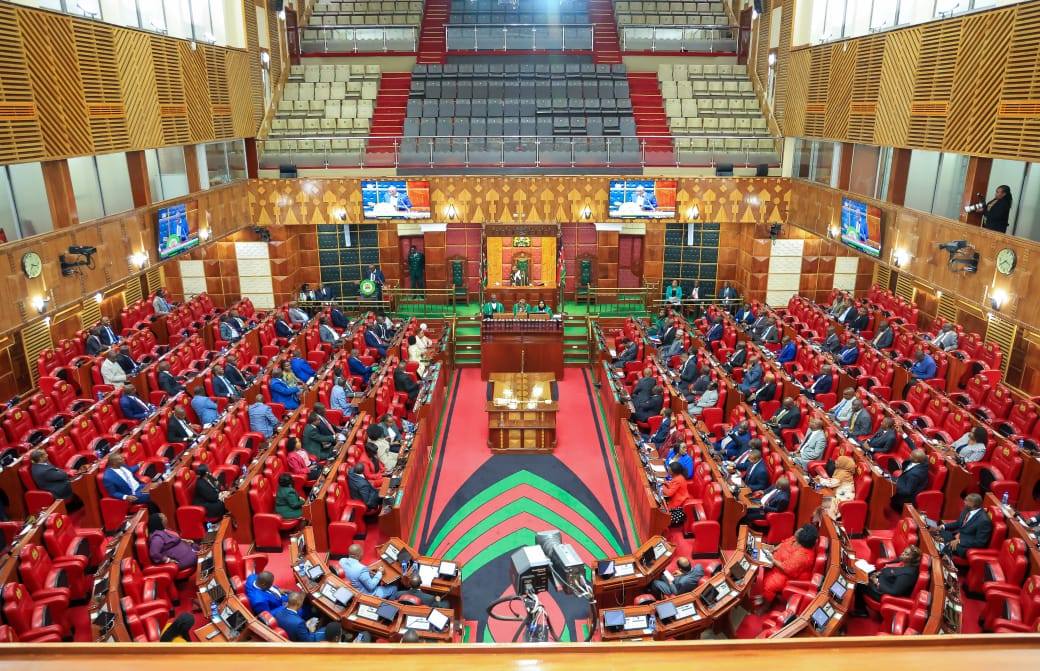
- Parliament has approved a Sh18 billion supplementary budget to address urgent funding needs across key government sectors.
- The package includes Sh1.5 billion to clear arrears owed to teachers and education officers involved in national examinations.
- Additional allocations target youth empowerment, MSME development and water infrastructure projects.
Parliament has approved the Second Supplementary Budget for the 2025/2026 financial year, authorising additional government expenditure of approximately Sh18 billion across several key sectors.
The approval unlocks delayed funding for critical government departments, including education, youth empowerment, enterprise development and water infrastructure.
The decision followed the adoption of the Budget and Appropriations Committee report by the National Assembly after deliberations on revised estimates submitted by the National Treasury.
The supplementary budget covers both recurrent and development expenditure adjustments, reflecting urgent funding needs that emerged during implementation of the current financial year’s budget.
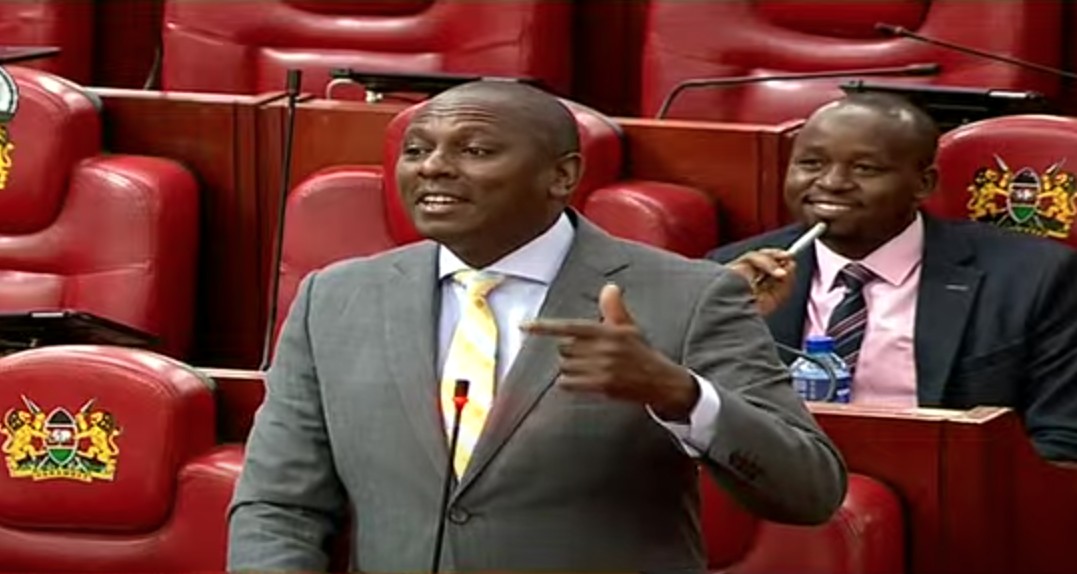
Presenting the report in the National Assembly, Budget and Appropriations Committee Chairperson Samuel Atandi acknowledged that the committee worked under tight timelines because the supplementary estimates were submitted only a few weeks before the close of the financial year.
Despite the constraints, Atandi moved the motion for adoption, noting that the committee had reviewed proposals affecting several state departments and government agencies.
Relief for Teachers and Exam Officials
A major highlight of the approved budget is the allocation of Sh1.5 billion to the State Department for Basic Education.
The funds are earmarked for clearing arrears owed to teachers and education officers who participated in the administration of national examinations, including KCSE and KCPE.
The payments cover exam supervisors, invigilators, security personnel and examiners who facilitated the administration and marking of national assessments.
Delayed payment of examination allowances has remained a major concern among education stakeholders, with many teachers expressing frustration over prolonged delays in compensation.
Parliament’s approval is expected to provide long-awaited relief and restore confidence among examination officials ahead of future national assessments.
Once the supplementary budget is operationalised, the National Treasury is expected to release the funds for disbursement to the relevant departments.
Support for Youth and Small Businesses
Beyond education, the supplementary budget strengthens several other sectors.
The State Department for Micro, Small and Medium Enterprises (MSMEs) Development has been allocated Sh3.8 billion to support entrepreneurship, credit access and small business expansion.
The funding is expected to boost job creation and strengthen Kenya’s informal sector.
In addition, Sh1.9 billion has been allocated to youth affairs under the NYOTA programme, which focuses on skills development, financial support and employment opportunities for young people.
The programme is intended to address youth unemployment while promoting innovation and productivity.
The water and sanitation sector has received Sh2.3 billion to support ongoing projects under the State Department for Water and Sanitation.
A significant portion of the allocation will support the Muache Dam project, which is expected to enhance water supply, irrigation and long-term food security.
Members of Parliament supporting the supplementary budget argued that the allocations were necessary to prevent disruptions in public service delivery and clear urgent pending obligations.
However, some legislators expressed concern over the late submission of supplementary estimates, arguing that it limits effective parliamentary oversight and weakens fiscal discipline.
They called for earlier planning and submission of budget revisions to allow adequate scrutiny and accountability in future budget cycles.
Balancing Oversight and Service Delivery
With parliamentary approval now secured, the supplementary budget provides legal authority for the release of additional funds across government departments.
The allocations are expected to ease financial pressure, settle outstanding obligations and support ongoing development programmes.
READ ALSO: Stop scapegoating teachers every time things go wrong in our learning institutions
Ultimately, the approval of the Sh18 billion supplementary budget reflects Parliament’s balancing act between fiscal oversight and the urgent need to sustain government operations and public service delivery.
By Hillary Muhalya
You can also follow our social media pages on Twitter: Education News KE and Facebook: Education News Newspaper for timely updates.
>>> Click here to stay up-to-date with trending regional stories
>>> Click here to read more informed opinions on the country’s education landscape