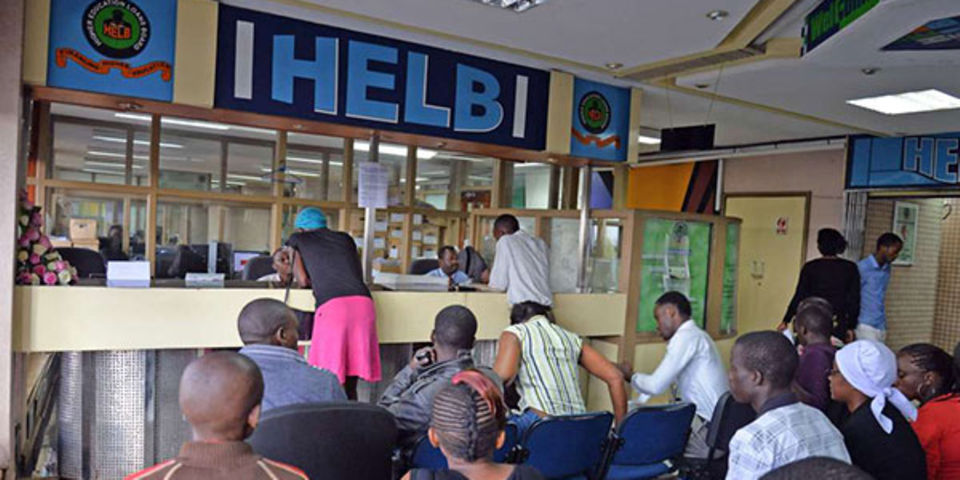
Over 281,000 graduates have defaulted on Higher Education Loans Board (HELB) loans worth nearly Ksh40 billion, exposing the strain of unemployment among the youth.
This was revealed by the Auditor General Nancy Gathungu, in her recent audit of the fund, which attributed the rising defaults to worsening joblessness and underemployment among young graduates, which has made loan repayment increasingly difficult.
Gathungu notes that 281,459 former students who graduated after 2000 have defaulted on Ksh39.63 billion, representing 44 per cent of HELB’s Ksh89.9 billion bad student loan portfolio.
Additionally, a total of 191,766 former students who completed their studies between 2015 and 2020 have defaulted on loans amounting to Ksh33.43 billion. This makes the period up to 2025 the worst for HELB in terms of recoveries, with 473,125 borrowers, representing 88 per cent of defaulters, falling into default.
“Loan repayment burden due to high unemployment and underemployment rates makes it challenging for graduates to repay their loans, increasing default rates and threatening the sustainability of the revolving fund,” Gathungu said.
“In the circumstances, the high default rate may affect the sustainability of the students’ loans fund, which may in turn limit loan availability to students in the future.”
The growing inability to recover the funds has weakened HELB’s capacity to finance new students and continue supporting those already in higher education, forcing the agency to scale down loan allocations.
The report comes at a time when the labour market continues to struggle to absorb the increasing number of graduates leaving universities and colleges annually.
ALSO READ:
KUSSNTS announces 2026 National Election, directs candidates to collect application forms
HELB has increasingly faced challenges recovering loans from graduates working in informal employment, consultancy roles and self-employment, making enforcement of repayment difficult and inconsistent.
The loans board is still owed Ksh2.39 billion by former students who graduated more than 30 years ago, highlighting the long-term nature of unpaid student debt.
Most defaulters have been reported to credit reference bureaus (CRBs) due to delayed or missed payments. Poor credit ratings limit access to future loans and often push affected individuals into more expensive and riskier borrowing options for basic needs such as transport, emergencies and daily expenses.
By Juma Ndigo
You can also follow our social media pages on Twitter: Education News KE and Facebook: Education News Newspaper for timely updates.
>>> Click here to stay up-to-date with trending regional stories
>>> Click here to read more informed opinions on the country’s education landscape