


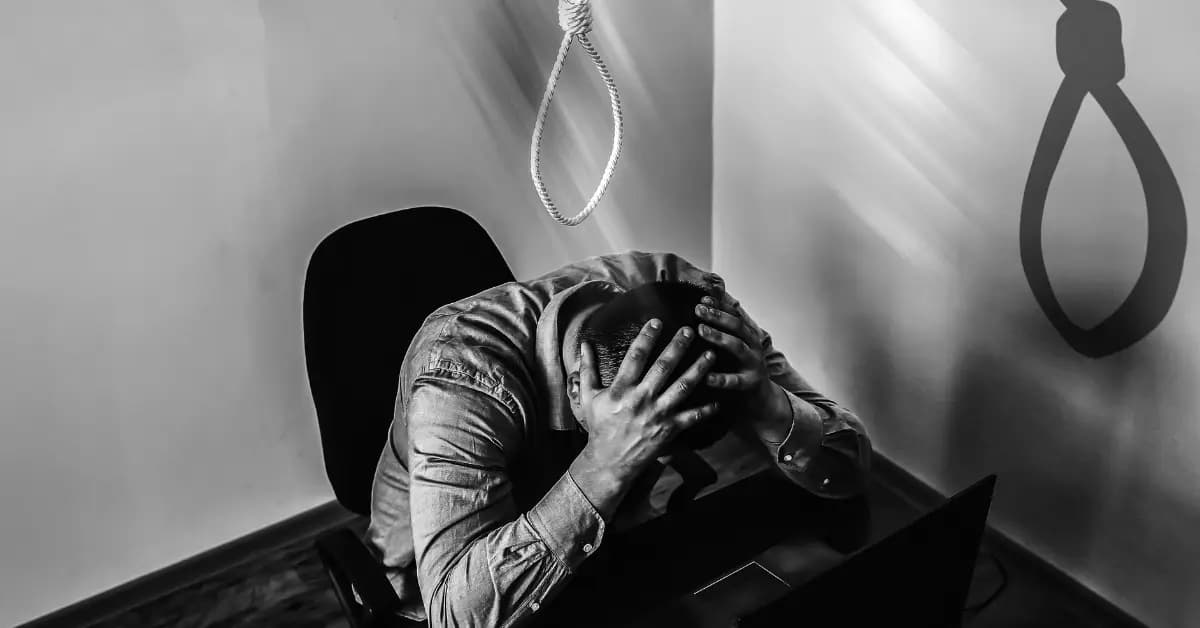
What is a decision? It is not a wish. It is not a prayer point you write on New Year’s Eve. It is not a preference.
The word decision comes from the Latin decidere, meaning to cut off. When you truly decide, you cut off competing paths and commit yourself to one. You burn the bridge behind you.
That is why many people have never truly decided. They have only wished. And wishes do not change lives. Decisions do.
A decision, when repeated daily, becomes a habit. And a habit, lived long enough, becomes destiny.
Let me show you what I mean.
There is a professor from Nyanza, a man with doctorates, books and respect across universities. He tried politics. He found himself every evening on a dusty podium exchanging insults with people who could not even interpret his CV, let alone his vision.
His impressive academic reputation was shrinking into a political caricature. So he made a painful, lonely decision. He quit. He walked away from the microphones and the crowds and returned to the library.
Today, his books speak for him while his former opponents are still shouting at funerals. A decision preserved his name.
Another man decided to build a great family. He looked at his age-mates whose homes were war zones and said, not mine.
In my house, there will be peace, there will be God, there will be books, there will be no other woman, no other man.
He cut off his old girlfriends, his drinking friends and his late nights. It was not easy. But today, his children call him blessed.
Another decided to return to church. He had left because a church elder gossiped about him and because, after acquiring money, he thought church was for the poor.
Then one Sunday, he decided: I am not coming back for people; I am coming back for God.
He rose, dressed his family and walked back. That walk marked a spiritual turning point in his life.
Another decided he would not be a spendthrift. While others were buying beer for the whole village to be called rich, he was quietly buying a plot, paying school fees in advance and saving in a SACCO.
After ten years, some of those who once applauded his extravagant spending would have needed the financial discipline he had cultivated.
Decisions that restore dignity and transform lives
There is the unforgettable decision of Pope John Paul II.
On May 13, 1981, Mehmet Ali Ağca shot and seriously wounded him in St Peter’s Square.
The world might have expected anger. Instead, the Pope chose forgiveness. He prayed for the man who had tried to kill him.
On December 27, 1983, he visited Ağca in Rome’s Rebibbia Prison and spoke with him privately.
That decision made forgiveness more powerful than revenge and became one of the defining examples of reconciliation in modern religious history.
In Kisii, there is a Board of Management teacher who, according to an account shared with me, gave a school ten years of his life.
He produced results and loved the children. Then, following a dispute with the school administration, he reportedly lost his position and was left with unpaid salary.
He walked home with nothing. For four years, he boiled with bitterness.
Then one morning, he decided to be free.
He took a piece of paper and wrote to the principal: I have forgiven you. You are free from me, and I am free from you.
That letter did not bring his salary back. It brought his peace back. It brought his sleep back. It brought his future back.
And there is another story that many in Kisii know but few tell.
A man from Kisii was employed after Form Two because life was hard. He married, had children and became known as a hardworking young man.
But deep inside him was a wound: he had not finished school.
One day, he made a decision that people called madness.
After marriage, with children in his house, he went back to secondary school.
He put on the same grey shorts as the younger boys. And in Form Three at a mission secondary school, his own daughter was reportedly his classmate.
Imagine that. The father sitting at the back, the daughter in front, both raising their hands to answer questions.
People laughed. But he persisted.
He passed KCSE, continued serving as a pastor and pursued further education.
Decades later, he made another decision. He joined university.
According to the account, that man who was once a Form Two leaver eventually became a university lecturer. His daughter, who was once his classmate, also graduated from university.
What is that if not the power of decision?
I know another former schoolmate who refused to accept failure.
He repeated Form Four seven times. Seven times.
People called him a fool. They said he should go and dig.
He said no, I will qualify to teach in high school.
He repeated until he qualified. He taught in high school, then went to university and reportedly became a respected Kiswahili lecturer.
Seven attempts could have destroyed his self-esteem. But he turned repetition into determination.
The painful courage to walk away
Now consider an old Maroon Commandos song that our fathers used to play on the radio.
It tells the story of a husband who leaves on a long journey, trusting his wife to protect the privacy and dignity of their home.
When he returns, he discovers that the confidence he placed in her has been betrayed.
The song captures his disappointment through the image of a vehicle with two drivers, a metaphor for divided loyalty and a relationship that has lost its direction.
He eventually makes a painful decision to end the relationship.
That is what a real decision can sound like. It is a painful song. It is not whispered. It is declared.
Many of us are living with a habit, a friend, a relationship or a behaviour that has already exposed our weaknesses and threatened our future.
It could be alcohol that makes you reveal your secrets when drunk. It could be promiscuity, corruption, laziness, gossip, anger or pornography.
It could be that boyfriend or girlfriend who is undermining your future.
You keep accommodating it because you fear what people will say.
But there comes a time when you must recognise the damage and declare that your association with a destructive habit is over.
There is a popular motivational story about an eagle that supposedly retreats to a mountain in middle age, breaks its beak and removes its claws and feathers before emerging renewed.
Although this story is not biologically true, the image has often been used to communicate the painful nature of personal transformation.
The lesson is not that an eagle must injure itself to survive. It is that people sometimes have to abandon deeply established habits to build a better future.
You must confront what is holding you back. You must quit what is destroying you.
Do not keep calling that former lover merely to reopen a destructive relationship. Do not keep visiting the bar to say hello when you have resolved to stop drinking.
Make a decision and honour it.
The prodigal son's greatest decision was to return
All these examples bring me to the story Jesus told of the prodigal son in Luke Chapter 15.
The young man took his father’s property, went away and wasted it through reckless living.
He became a spendthrift and a wanderer. He abandoned the security and values of his father’s house.
Eventually, he found himself feeding pigs, a humiliating situation for a Jewish young man.
Then the Bible describes a powerful turning point: he came to his senses.
That was the moment of decision.
He resolved to arise and return to his father.
He did not merely feel sorry. He decided. He stood up. He walked the long road home.
And his father ran to embrace him.
How many of us are prodigal sons?
How many teachers have lost their professional direction through alcohol, petty staffroom politics, inappropriate relationships with learners or hostility towards colleagues?
How many students have abandoned their studies because they chose drugs, excessive phone use and destructive relationships over books?
How many of us have left our first church, our first love or our first academic ambition?
The question is not how far you have gone.
The question is: Have you come to your senses?
The prodigal son’s greatness was not that he never left. His greatness was that he decided to return.
Forgiveness is part of that return.
You cannot fully embrace a new beginning while remaining consumed by bitterness towards the principal who dismissed you, the politician who insulted you or the family member who disappointed you.
Forgive. Write that note if it will help you find closure. Pray for those who wronged you. Let go.
But also forgive yourself for the decisions that led you astray.
Forgiveness does not mean accepting abuse, abandoning legitimate claims or returning to harmful relationships. It means refusing to let bitterness determine the rest of your life.
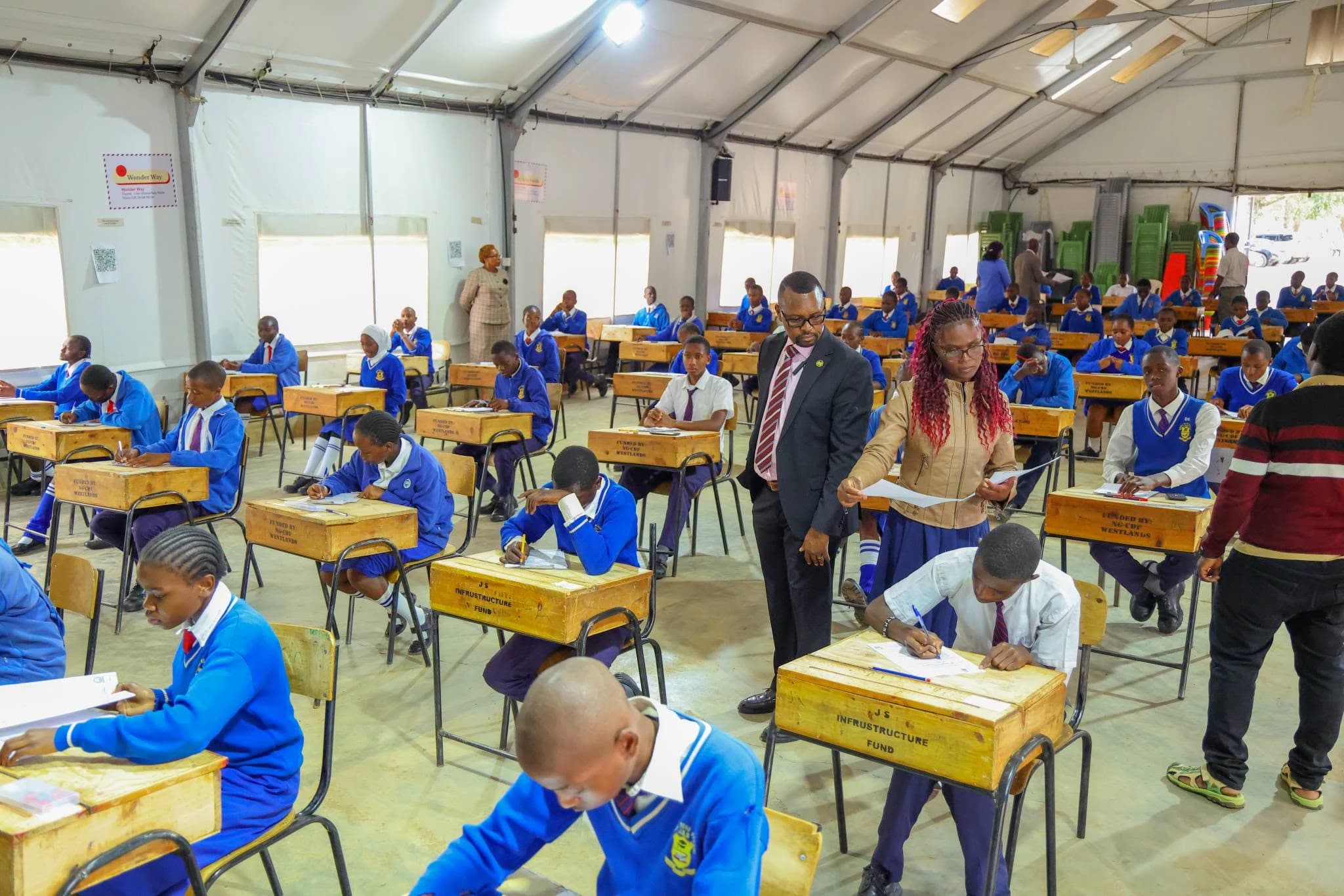
Today, as the KCSE examination period continues and the year approaches its end, make a decision.
Decide to return to God. Decide to build your family. Decide to stop wasting money.
Decide to go back to school, even if your daughter becomes your classmate.
Decide to try again after failure. Decide to quit the politics that is destroying your name.
Decide to end your association with habits that have robbed you of dignity, opportunity and peace.
And let your own story and song be heard.
Do not allow others to sing it for you.
Live so boldly that your decisions speak for you.
If others have to sing your song for you, that may not be a song. It may be a eulogy read when you are gone.
Sing it now.
Decide now.
Reader Discussion (0)
Sign in to comment