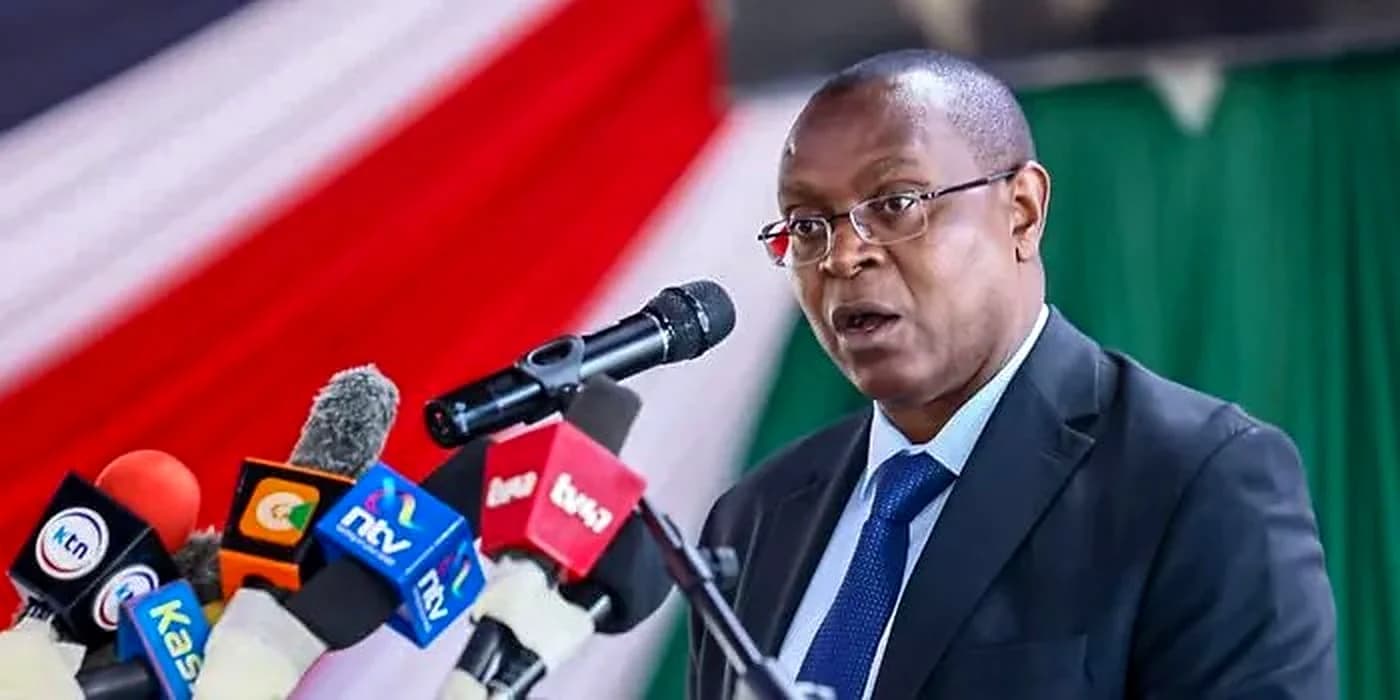
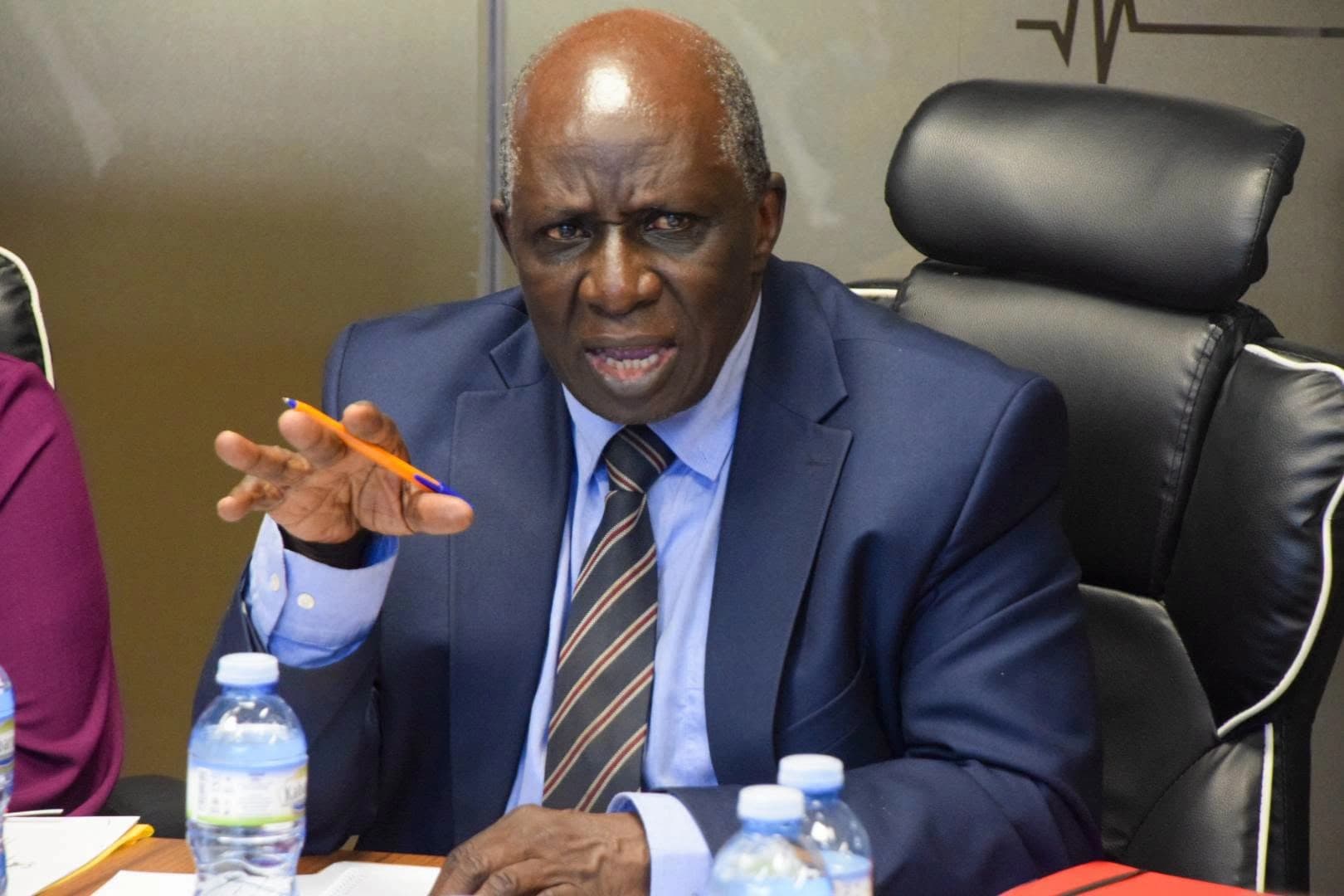



As Kenya enters another season of political activity and children settle into the holiday break, one question deserves collective reflection: what are our children learning about leadership, integrity and human relationships from the politicians they watch and listen to?
The question may seem unusual when political conversations are dominated by alliances, campaign strategies, promises and the pursuit of power. Yet beneath the excitement lies a concern that deserves equal attention: the influence of political language and conduct on the character of the next generation.
Politicians are not merely public figures. They are also parents, guardians, relatives and members of the communities in which children are growing up. Their words travel beyond rallies into homes through television, radio and social media. Even when children are not the intended audience, they remain attentive observers of the adult world.
The issue is not whether children should encounter politics, since politics is part of governance and society. The more important question is what they learn from the way leaders communicate, disagree and exercise influence.
When the campaign trail becomes a classroom
School holidays give children more time to follow public affairs, interact with family members and explore digital platforms. Some accompany their parents to political gatherings, while others come across campaign speeches and political exchanges online.
A child who repeatedly hears leaders ridicule opponents, use degrading labels or turn disagreements into personal attacks may begin to regard such behaviour as an acceptable way of expressing an opinion. A child who sees leaders defend their positions with evidence, acknowledge opposing views and communicate firmly without humiliating others encounters a different model of leadership.
In his book Social Learning Theory (1977), psychologist Albert Bandura explained how people can acquire behaviours by observing and modelling others. Children do not automatically imitate everything they see, but repeated exposure to influential role models can shape their understanding of what is acceptable and desirable.
The register of leadership matters
In language studies, register refers to the kind of language people use in a particular context, depending on their audience, purpose and relationship. Political communication may be passionate and confrontational, but it should not abandon respect for human dignity.
A politician has every right to challenge an opponent's policies, question the management of public resources, expose inconsistencies and demand accountability. Strong criticism is essential to democratic life. However, there is a clear difference between challenging an argument and humiliating the person presenting it.
When reasoned debate gives way to insults, personal attacks and language that demeans communities, young people may begin to associate leadership with aggression rather than responsibility, or confuse popularity with integrity.
This does not mean leaders must speak timidly or avoid difficult subjects. They can be assertive without being abusive, critical without being contemptuous and ambitious without encouraging hostility. Children should see that disagreement is not a declaration of war, and that people can hold opposing views without losing respect for one another.
CBE must extend beyond the classroom
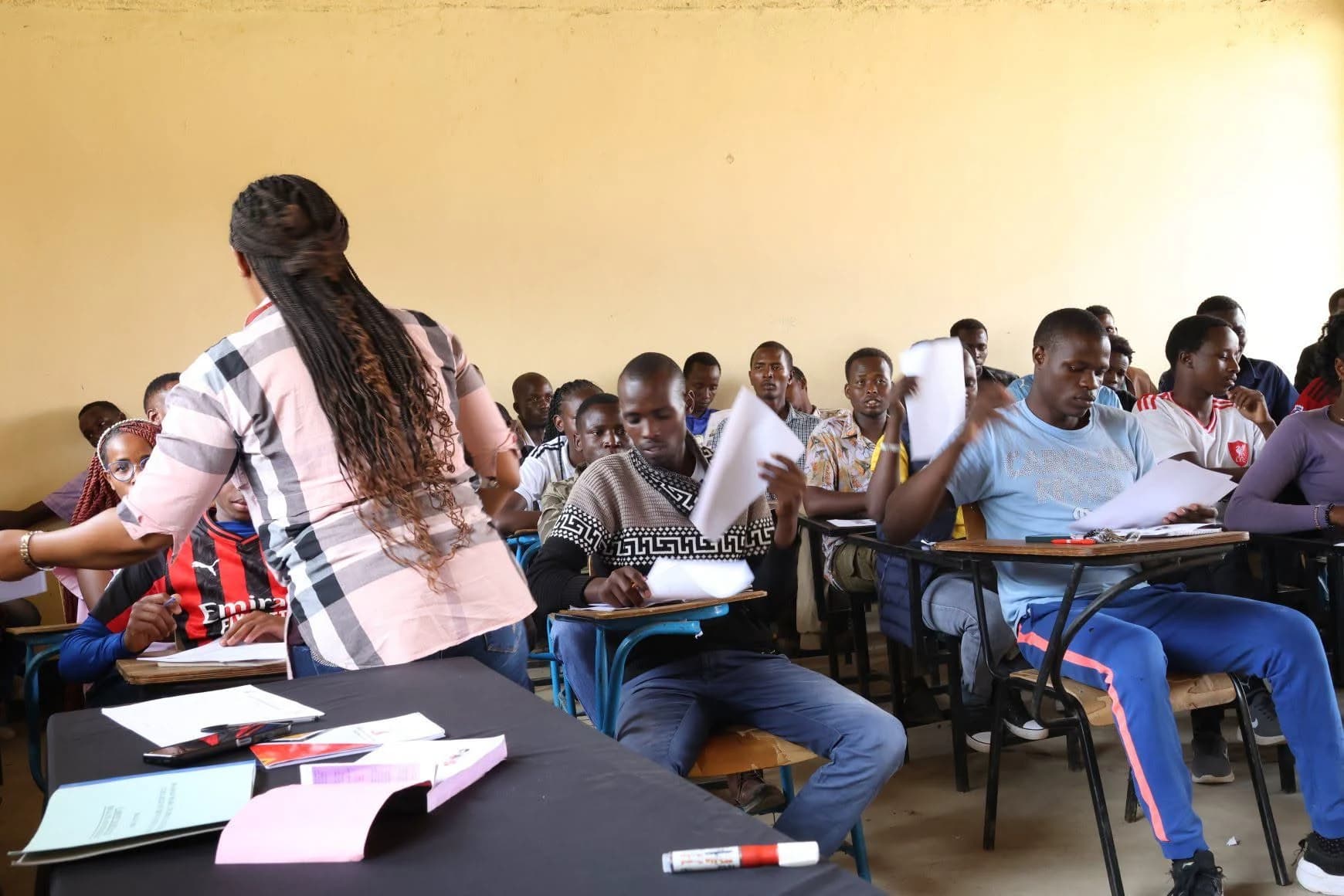
Kenya's Competency-Based Education (CBE) seeks to equip learners with the knowledge, skills, attitudes and values needed to respond to real-life situations. The Kenya Institute of Curriculum Development's Basic Education Curriculum Framework identifies seven core competencies: communication and collaboration, self-efficacy, critical thinking and problem-solving, creativity and imagination, citizenship, digital literacy, and learning to learn.
These competencies cannot be nurtured through classroom instruction alone. They need reinforcement at home, in the community, through the media and within public institutions.
Learners are expected to express themselves clearly, listen to others and work constructively with people whose opinions differ from theirs. Critical thinking requires them to question assumptions and examine evidence. Citizenship calls for responsibility, respect for others and meaningful participation in society. If the public figures children admire routinely disregard these principles, the contradiction becomes difficult to ignore.
Digital literacy presents another challenge. Political clips, misleading claims and inflammatory commentary circulate rapidly online. Children need to learn how to verify information, recognise manipulation and engage responsibly with digital content. Teachers can introduce these skills, but they cannot single-handedly counter every negative example learners meet outside school.
Implementation of CBE is therefore a shared responsibility among parents, teachers, politicians, religious institutions, the media and the wider community. The classroom can introduce the lesson, but society must help demonstrate it.
Raising critical thinkers, not unquestioning followers
Education should empower children to think independently rather than accept every statement by a person in authority. Young people should be encouraged to ask whether a political claim is supported by evidence, whether a proposed solution serves the public interest and whether a speaker is addressing an issue or attacking an individual.
Parents and teachers should help learners understand that supporting a leader does not require defending every statement or action associated with that leader. Equally, disagreeing with a politician does not justify dismissing every idea that person presents.
Children need the confidence to question, the patience to listen and the discernment to reach reasoned conclusions. Political loyalty must never replace personal integrity or independent thought. The responsibility is not to shield children from politics, but to equip them to engage with it critically, responsibly and peacefully.
Unity does not require uniformity
Kenya is enriched by different communities, cultures, languages, faiths and political convictions. Democracy does not require everyone to agree. It requires citizens to manage their differences within a framework of mutual respect, lawful conduct and shared responsibility.
Political leaders have a particular responsibility to uphold this principle. Their words can promote accountability and informed debate, but they can also deepen suspicion when disagreement is presented as hostility between communities or groups.
Children need to understand that a neighbour's political preference does not prevent friendship or cooperation. Patriotism is not blind loyalty to an individual or party. It includes respect for fellow citizens, concern for the common good and the courage to question wrongdoing regardless of who commits it.
A moral responsibility that transcends politics
Religious traditions also offer guidance on the responsible use of language. Proverbs 15:1 says: "A soft answer turneth away wrath: but grievous words stir up anger" (King James Version). The way we communicate can either reduce tension or intensify it.
The Qur'an, in Surah Al-Hujurat 49:11, warns against ridiculing and insulting others, while verse 13 emphasises that humanity was created in different peoples and tribes so that people may know one another.
These teachings do not require politicians to abandon robust debate. They remind us that the pursuit of truth and accountability need not come at the expense of human dignity.
Let this holiday become a season of learning
As politicians travel, address gatherings and set out their visions for the country, they should remember that children are among those watching. Those children will become teachers, public administrators, elected leaders, parents and community builders.
Politicians can show young people how to challenge policies without humiliating opponents, defend their convictions without spreading hostility, and compete for office without undermining peaceful coexistence.
The responsibility does not rest with politicians alone. Parents must guide children through political conversations. Teachers can use public speeches to develop language analysis and critical thinking. The media should help audiences understand substantive issues rather than merely amplify confrontation.
Every adult must also examine whether their own conduct reflects the values they preach. It is easy to condemn disrespectful language in a political opponent while excusing the same behaviour from someone we support. Children notice these inconsistencies.
Learning does not stop when schools close. Children are learning from conversations around the family table, public speeches, online videos and the behaviour of adults they admire. The next generation will inherit not only the institutions we build but also the habits of public life we normalise.
When our children watch the campaign trail this holiday, will they learn to disagree with dignity, think independently and promote unity, or will they mistake hostility for leadership? The answer lies not only in what we tell them to become, but in what we consistently show them.


Reader Discussion (0)
Sign in to comment