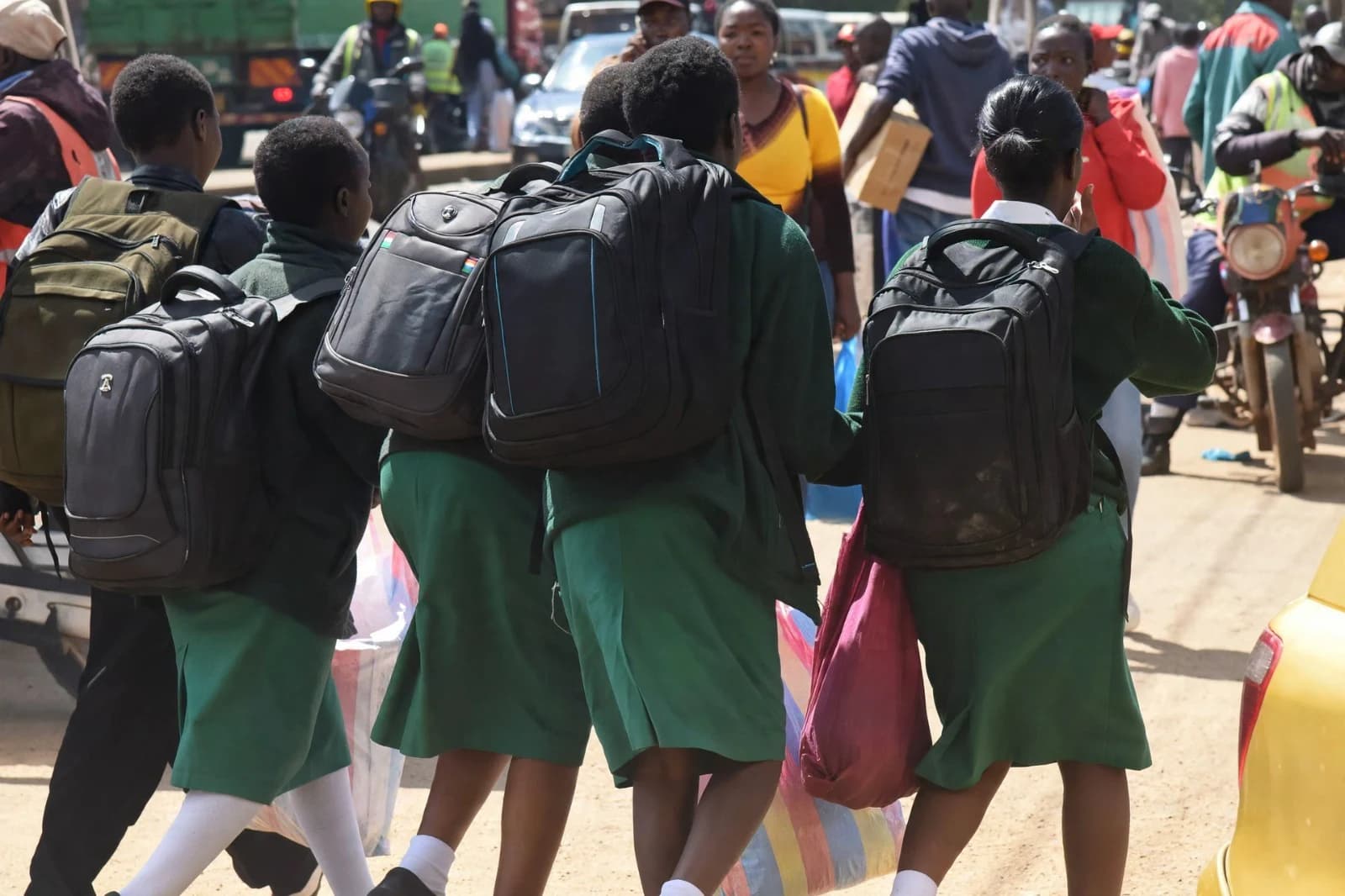
Thousands of Kenyan children are being turned away from class because their parents cannot afford charges that the law does not allow, a new survey has found. The findings suggest that the constitutional guarantee of free and compulsory basic education now depends, in practice, on what a family can pay.
The survey was carried out by the Elimu Bora Working Group among 388 parents, guardians and grandparents in 11 counties. These were Baringo, Kakamega, Kiambu, Kisumu, Makueni, Mandera, Meru, Mombasa, Nairobi, Nakuru and Kajiado. According to the group, more than nine in 10 households had either paid an illegal levy in 2025, expected to pay one in 2026 or expected to pay above the gazetted school fee. Such charges turned up in every county, school cluster and school category covered.
The most worrying result concerns what happens when families fall behind. The survey found that 45.9 per cent of learners are sent home or barred from class at least occasionally over illegal levies, and 17.5 per cent of them face this very often. Day schools fared worse than boarding schools, with 64.9 per cent of their learners affected compared with 40.5 per cent in boarding schools.
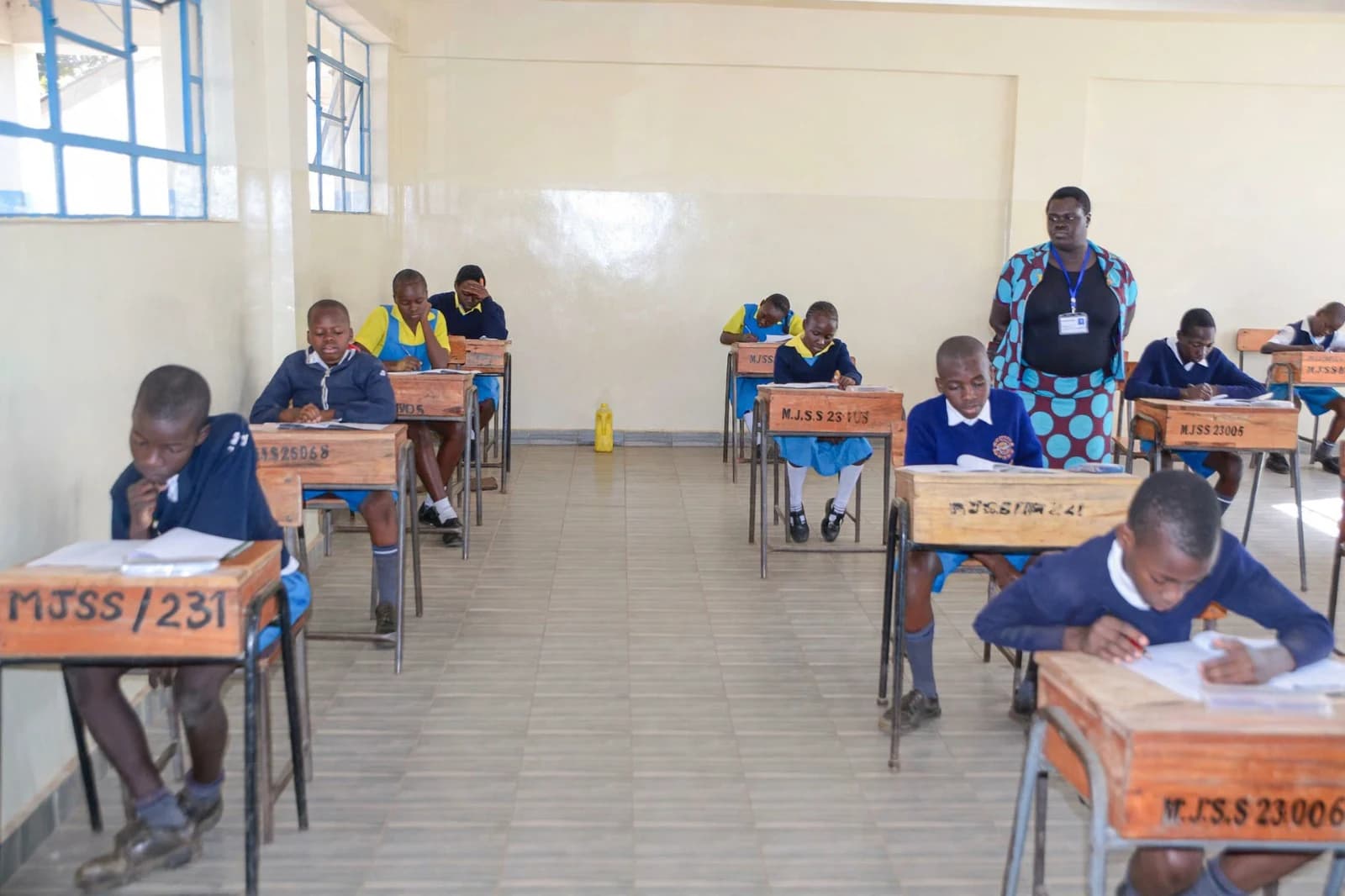
For day school learners, the consequences go well beyond a missed lesson. Some 60.6 per cent miss school days, and 51.1 per cent miss examinations or tests. Almost half (48.9 per cent) lose the drive to attend, while 42.6 per cent are treated unfairly because the money has not been paid.
Household income also shaped who was sent away. Among learners from families earning less than Ksh10,000 a month, 61.3 per cent are sent home at least occasionally. By comparison, the figure is 23.1 per cent for families earning between Ksh30,001 and Ksh60,000. The group concludes that exclusion is driven by who cannot pay, not by how much is asked.
Meanwhile, the strain on families is heavy. About 61.6 per cent of households said the extra charges were hard or impossible to afford, and nearly 37 per cent reported borrowing money or selling assets very often to cover them.
The costs vary by type. Remedial tuition and motivation fees touch 49.2 per cent of households, with a median charge of Ksh5,000. Development levies affect 32.2 per cent of households, also with a median of Ksh5,000, although some families reported being asked for between Ksh50,000 and Ksh60,000. Development levies are also the charge most often backed by sending children home, as 83.3 per cent of affected households said they had faced such threats.
The damage can last beyond the school term. In some cases, schools held back certificates or refused to clear learners, especially Form 4 candidates, until the illegal charges were settled. The survey warns that this can block access to higher education and jobs.
RELATED:
Given these findings, the working group says no child should lose lessons, examinations or the chance to finish school because a family cannot meet an unlawful charge. It argues that the Government should not let schools impose such levies and then penalise pupils for their parents' inability to pay.
To address the problem, the group is calling on the Ministry of Education to audit school fee structures without delay and enforce the law against institutions that charge illegal levies. It also wants capitation released in full and on time, and confidential complaint channels that shield parents and learners from retaliation.

Reader Discussion (0)
Sign in to comment