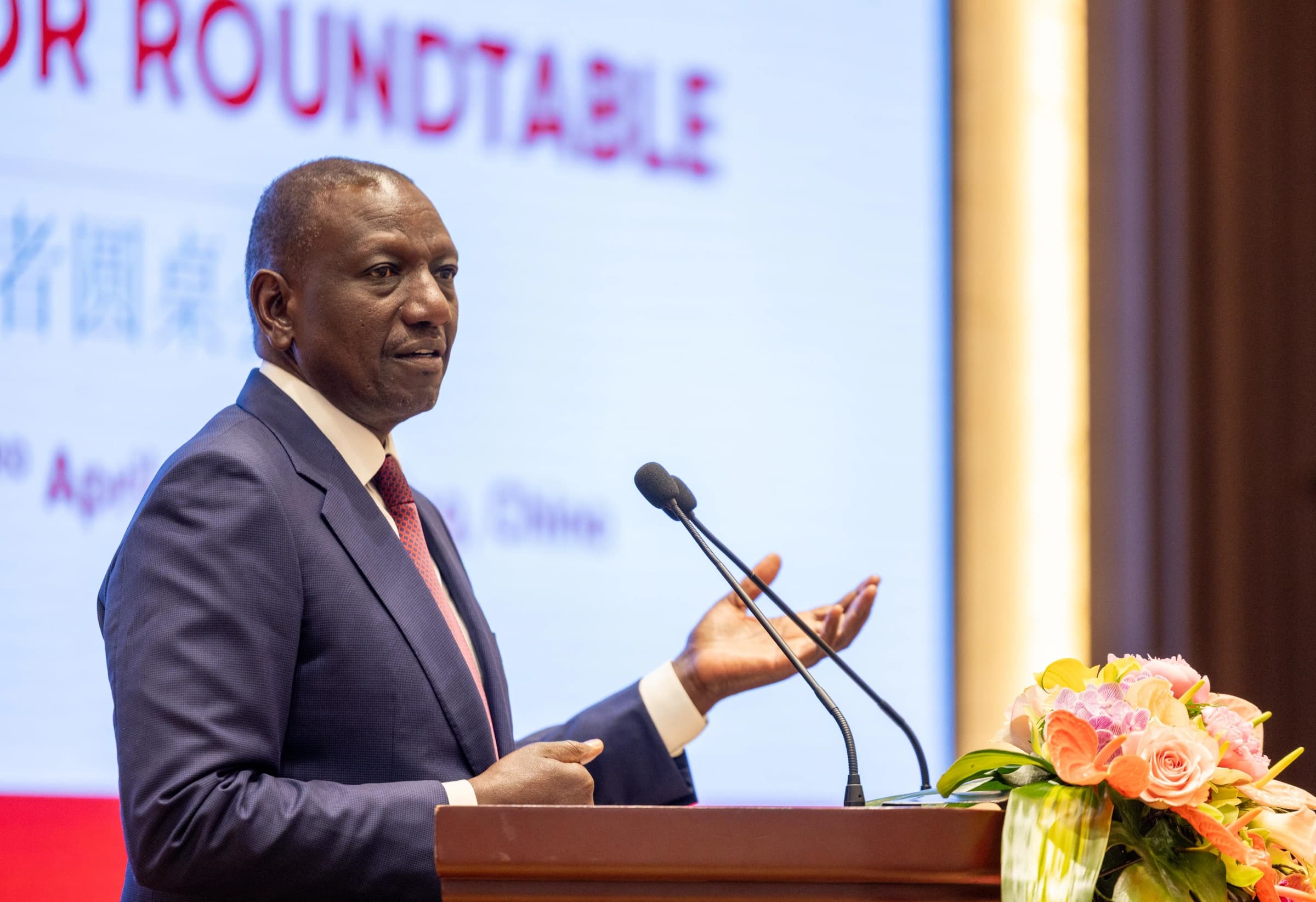





President William Ruto faces renewed pressure to address unresolved challenges in the education sector after school heads endorsed his leadership, raising expectations that the government will act on their long-standing demands.
The administrators want the government to address concerns about the management of comprehensive schools, teachers' career progression, remuneration and the resources needed to implement the Competency-Based Education (CBE) curriculum.
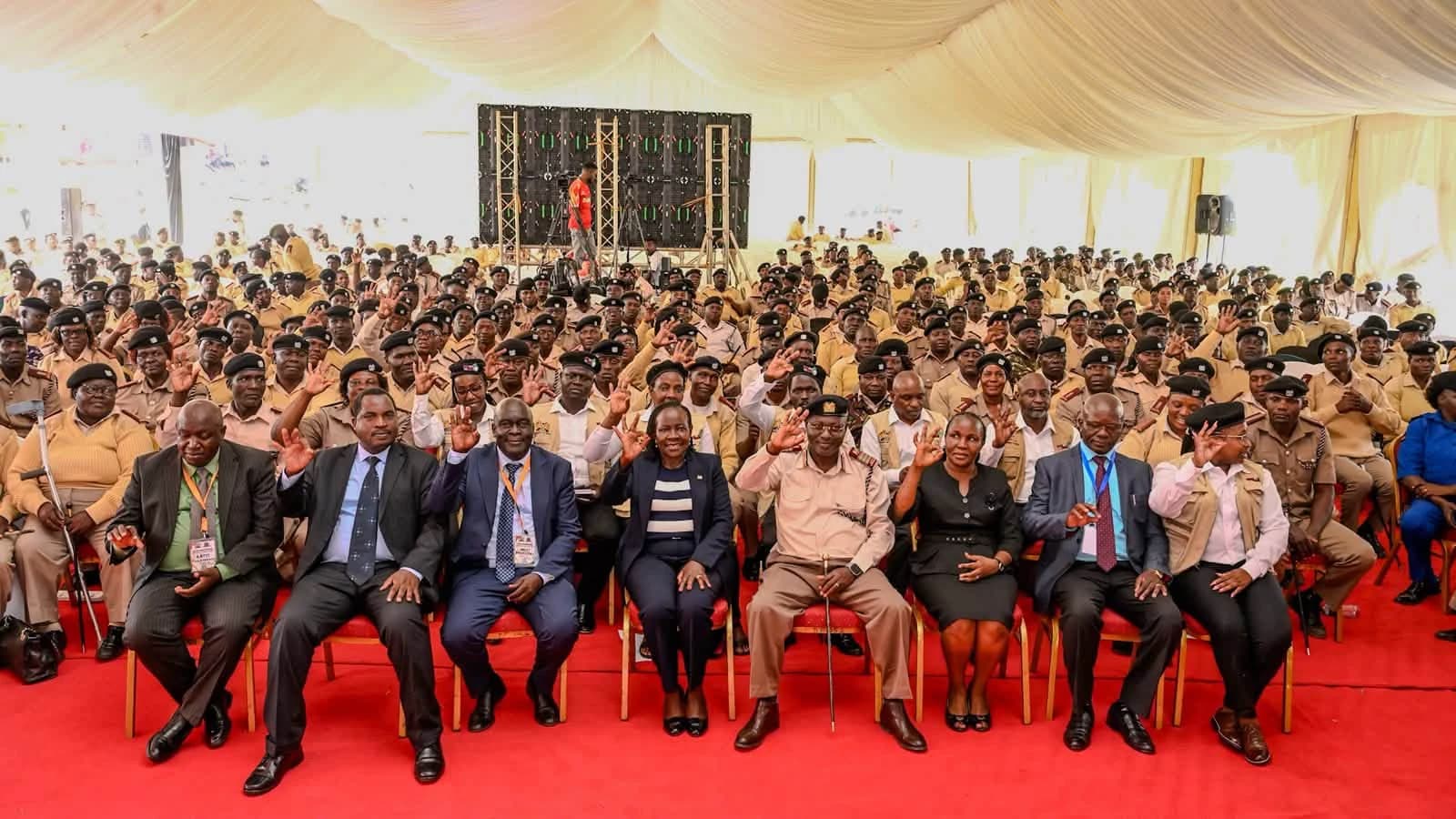
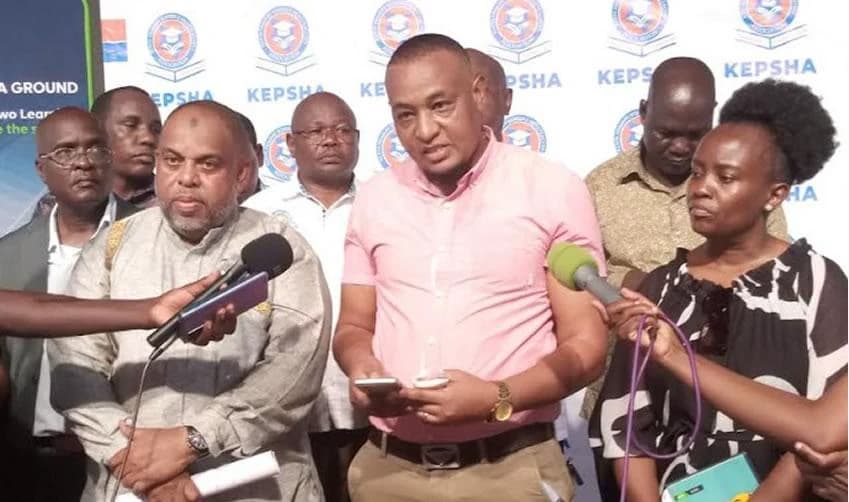
The issues are expected to feature prominently as thousands of school heads meet in Mombasa for the Kenya Comprehensive Schools Heads Association (KECSHA) annual conference. Ruto is expected to address the delegates at the closing ceremony on Thursday.
At the centre of the debate is the proposed management structure for comprehensive schools, which bring together Early Childhood Development Education (ECDE), primary and junior school sections.
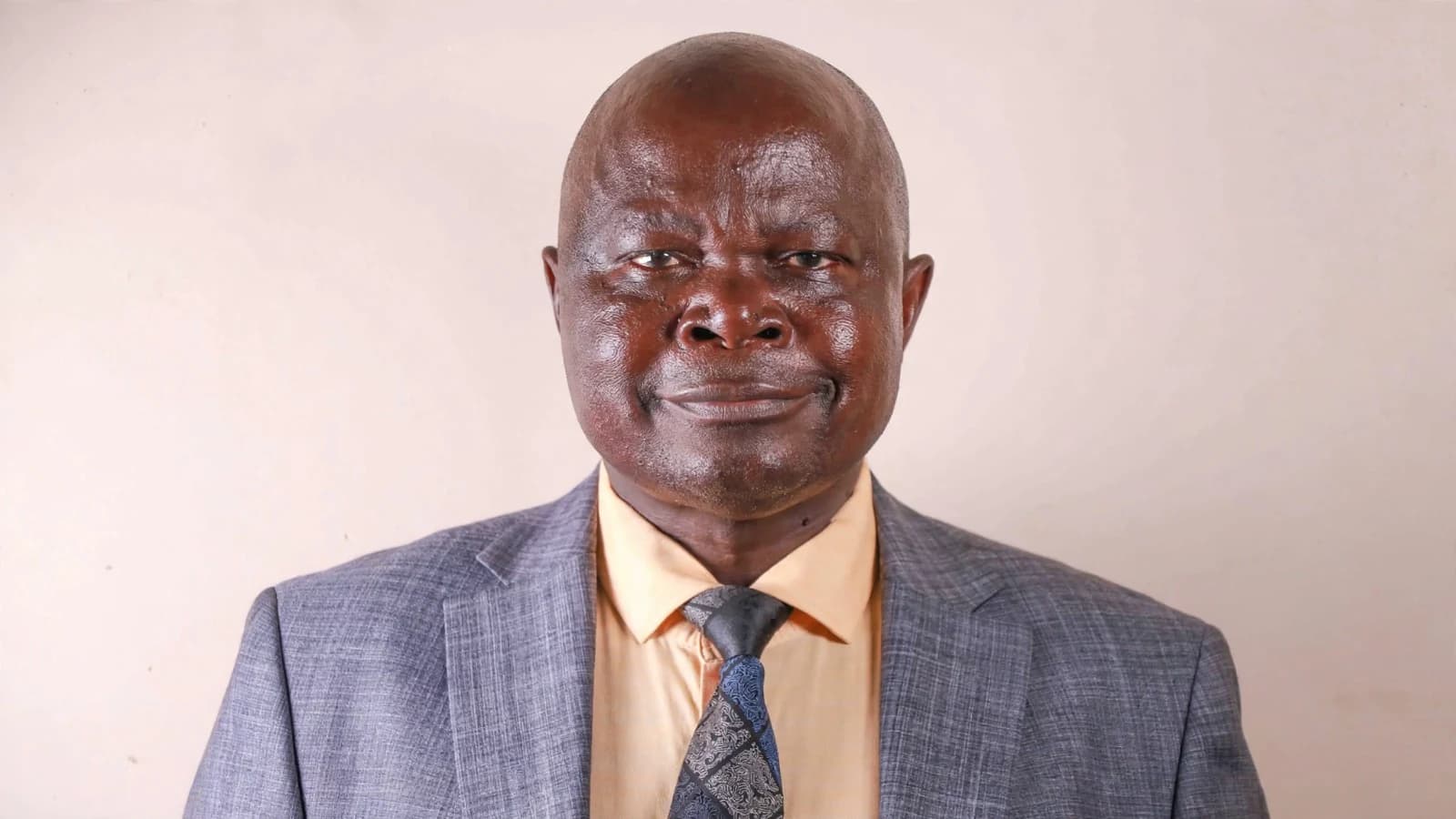
KECSHA, led by national chairman Fuad Ali, wants the institutions managed under one head, with deputies overseeing the different sections. The association argues that a unified leadership structure would reduce administrative costs, eliminate duplication of responsibilities and improve coordination in schools.
The proposal has met resistance from the Kenya Union of Post-Primary Education Teachers (KUPPET), which maintains that Junior Schools should have independent leadership because of their distinct academic and administrative responsibilities. The disagreement has exposed wider uncertainties about the transition to the new education system and the position of teachers deployed to Junior Schools.
The Teachers Service Commission (TSC) has maintained that primary school headteachers will remain substantive heads of comprehensive schools, a position that continues to draw debate among education stakeholders.
School heads are also seeking better promotion opportunities and remuneration, arguing that their expanding responsibilities should be reflected in their career structures and pay.
The implementation of CBE has increased the demands on administrators, who must manage staffing, infrastructure, learning materials and the transition of learners through the new education pathways.
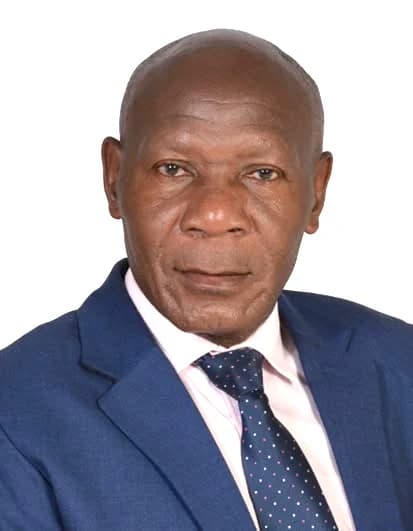
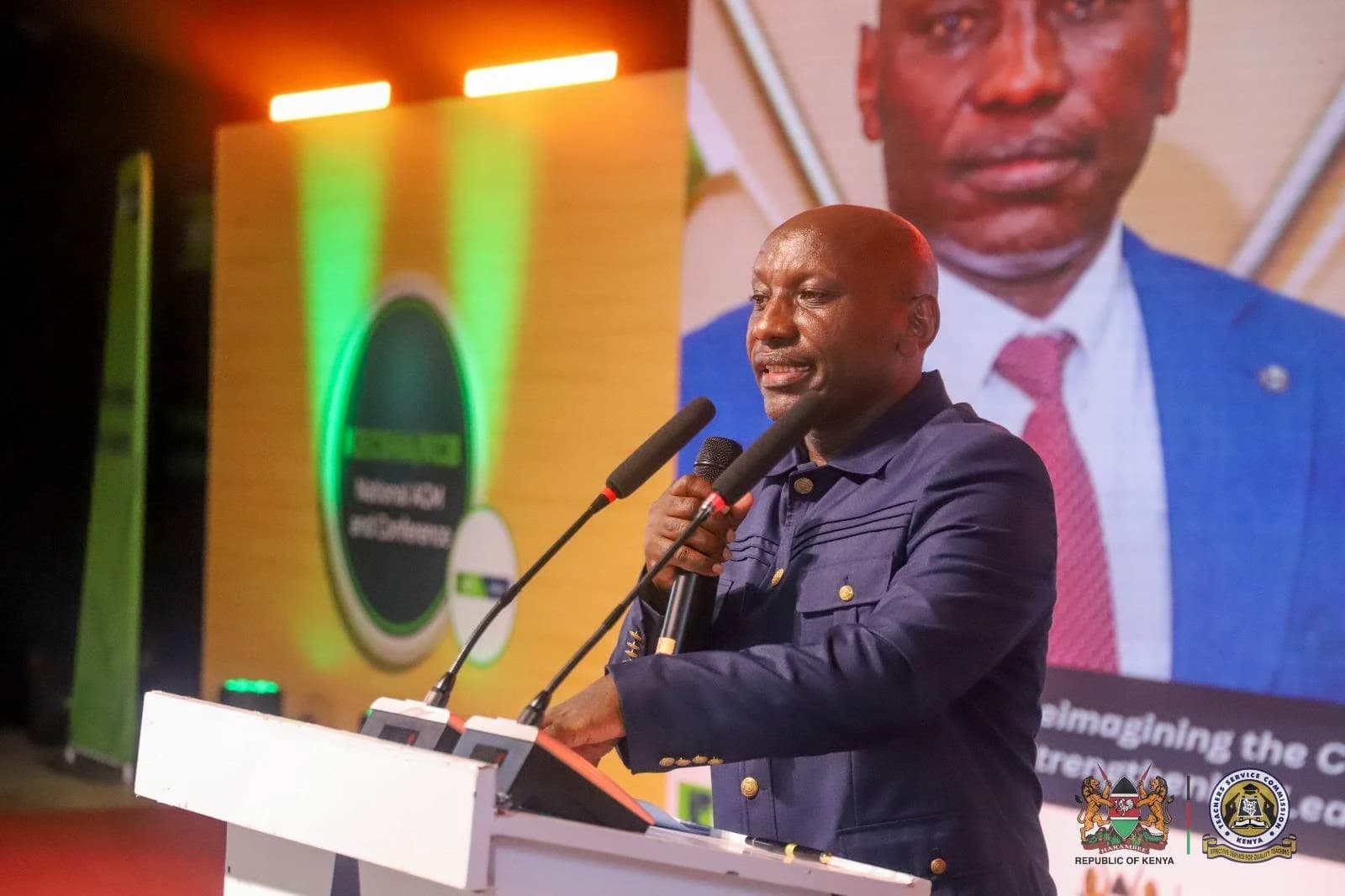
TSC acting chief executive officer Evaleen Mitei said the government had recruited 100,000 teachers over the past three years, with another 16,000 expected to be employed by January 2027.
The recruitment is expected to ease staffing pressures, but school heads continue to seek broader interventions to address operational challenges in learning institutions.
Ruto's address is expected to be closely watched for indications of how his administration intends to respond to the concerns, particularly those touching on school leadership and teachers' welfare.

Reader Discussion (0)
Sign in to comment