






On graduation day, the grounds are a festival. Families travel from afar, phones click, and relatives and friends gather over pilau, soda and cake. For one afternoon, the degree feels like a ticket to a better life.
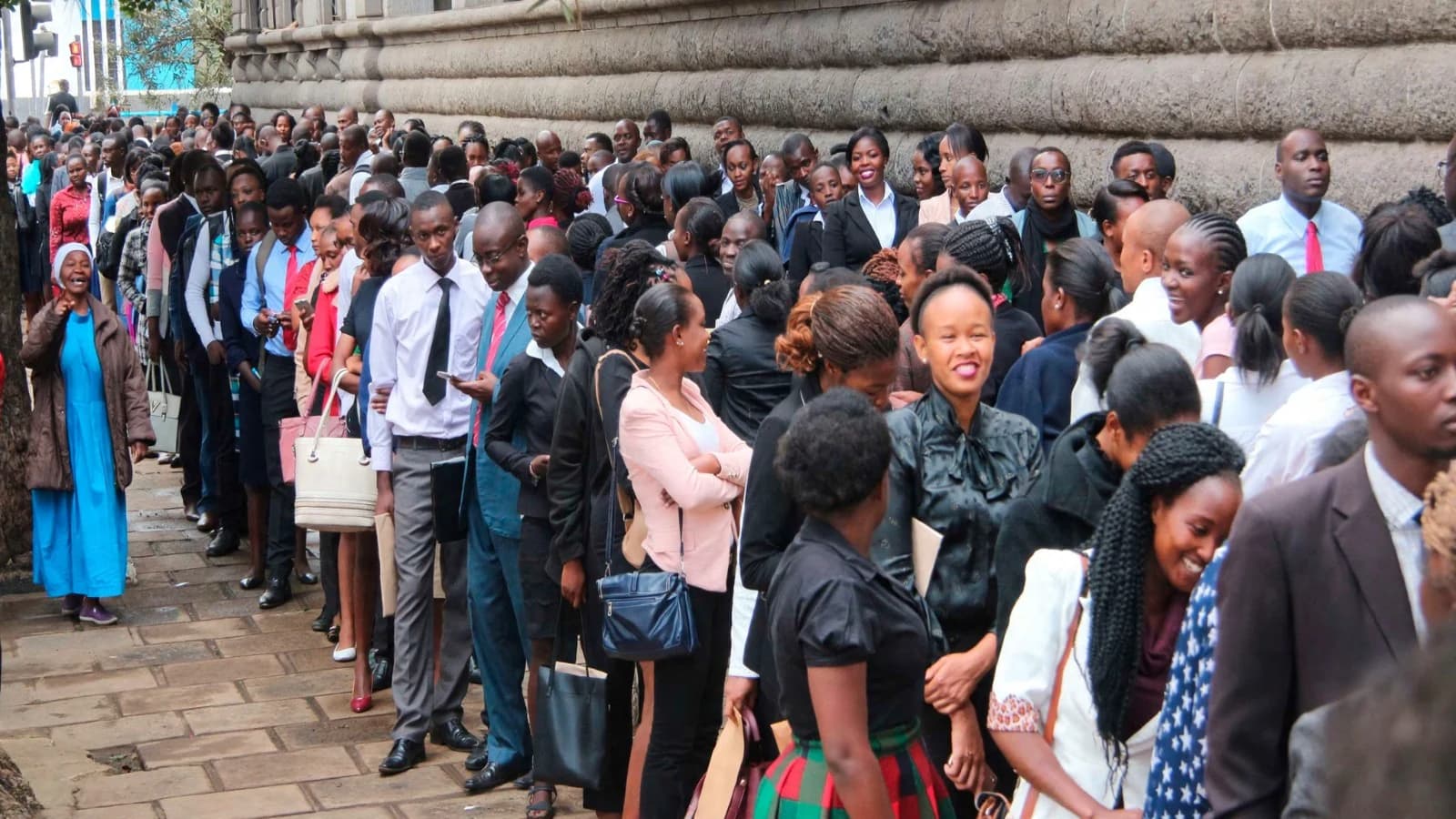
Then reality hits. Most graduates leave campus hoping to secure a job immediately, but meet unanswered applications and rejection emails. At home, families who invested years of fees and sacrifice expect quick returns, hoping the graduate will start supporting the household.
The numbers explain the struggle. Kenya has no dedicated graduate unemployment rate, and official figures can mislead. KNBS data shows the economy created 822,100 jobs in 2025, but nearly nine in ten were informal. Formal employment's share fell from 18.5 per cent in 2010 to 15.5 per cent in 2024. In 2024, only 75,000 formal jobs were created, against 286,695 graduates entering the labour market. Official youth unemployment stood at 11.9 per cent that year, yet the World Bank says nearly 75 per cent of Kenyans under 35 have limited access to meaningful work.
The causes are plain. A fiercely competitive market, too many graduates chasing too few formal jobs, oversupply in some courses and a skills gap. Employers add to the problem by advertising "internships" and entry-level roles demanding several years of experience. A fresh graduate cannot have it. Companies must stop this and offer genuine entry-level opportunities.
Many graduates search until they are exhausted, then step into jua kali work such as mjengo, hawking or jobs they never studied for. The work is honest, but the pay is often too low to cover basic needs.
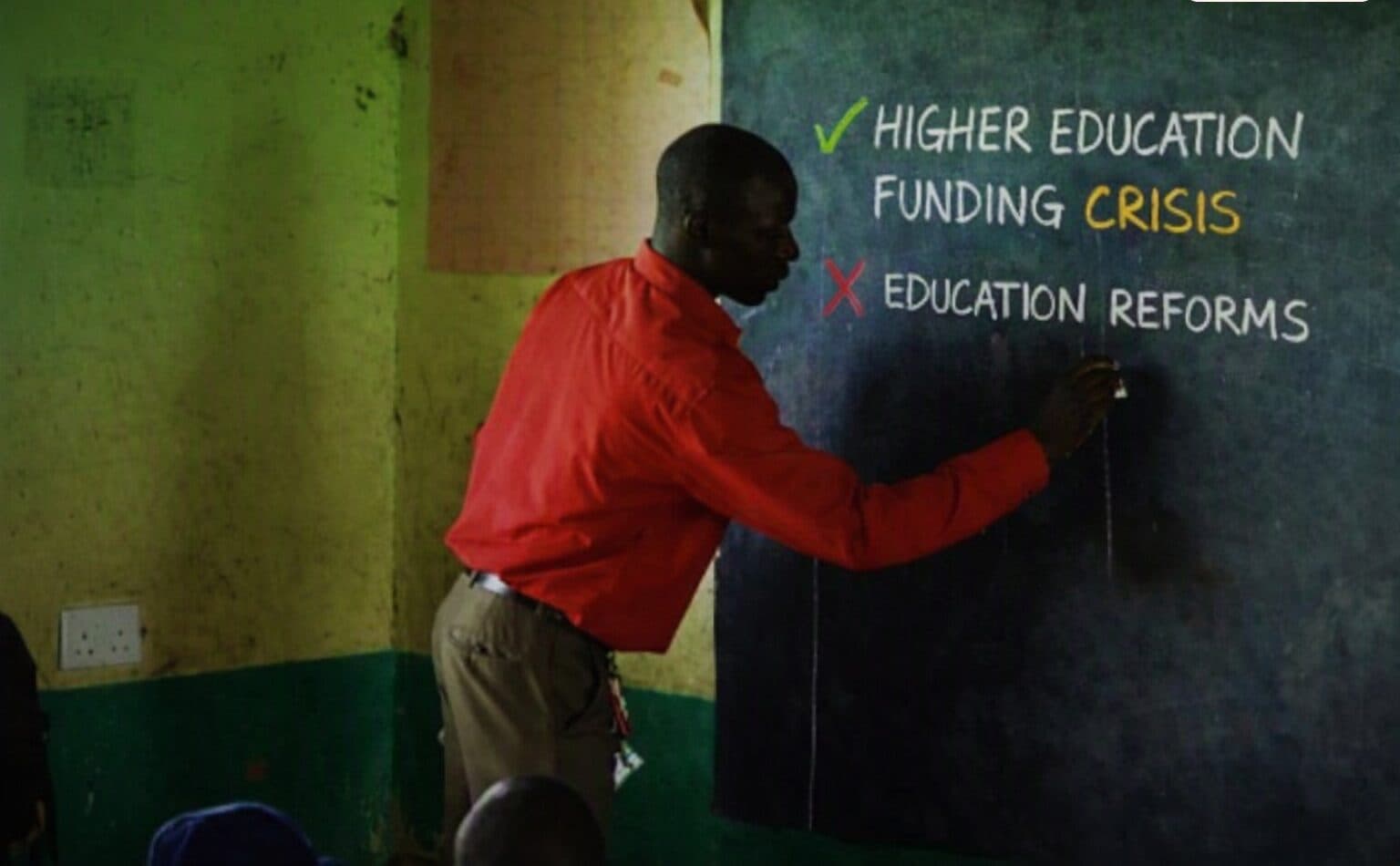
Then comes HELB. The Auditor General found 281,459 graduates had defaulted on Ksh39.63 billion, linking defaults to joblessness and underemployment. HELB has since reported over 380,000 graduates not repaying KSh46 billion. Defaulters risk blacklisting by credit reference bureaus, shutting them out of formal credit just as they try to start over.
After a while, society joins in. Relatives ask "umefika wapi?", neighbours whisper, and the jobless graduate is labelled a failure. Stress sets in, followed by anxiety, isolation, substance abuse and depression. KNBS data shows suicide cases surged between 2021 and 2023, with unemployment among the drivers, and analysts warn that youth mental health problems are widely underreported.
We can do better. First, graduates should be taught how to handle rejection and cope with stress before they leave campus. Career counselling and resilience training should be part of the final-year programme, because rejection is not a verdict on a person's worth.
Second, mental health must be treated like any other disease. No one is ashamed to seek treatment for malaria or diabetes, and depression deserves the same care, with affordable therapy and an end to stigma.
Third, parents and the wider society must ease the pressure. Ask a jobless graduate how they are coping, not when they will start earning. Employers should drop unrealistic experience requirements, and HELB should keep flexible repayment terms for those with no income.
Graduates are not failures. They are young people entering an economy that has not kept pace with the classrooms producing them. Let us support them through it.
The writer is an International Relations and Diplomacy Graduate


Reader Discussion (0)
Sign in to comment