




As debates over teachers' pay, industrial action and academic performance dominate Kenya's education sector, a broader question remains: how should educators be valued and assessed for their role in shaping the country's future?
Kenya's debate about teachers often centres on salaries, promotions, examination results and strikes. Yet teachers are more than employees delivering lessons. They help learners acquire knowledge, develop skills, build confidence and prepare for responsibilities beyond the classroom. This matters because education reforms depend not only on policies and curricula but also on the professionals who implement them.
A 2025–2026 international survey by the Varkey Foundation, conducted in the United States, England and Australia, asked more than 3,000 respondents which occupation or activity most resembled teaching. Fieldwork was reported to have taken place between May 2025 and March 2026. Coaching was the leading comparison in all three countries, mentioned by 30 per cent of American respondents and 23 per cent in both England and Australia. Respondents also compared teaching with nursing, lecturing, social work, parenting and religious leadership.
The responses suggest that people associate teaching with guidance, care and personal development. They reflect perceptions, not an objective ranking of occupations or proof that coaching is the universal model of effective instruction. Kenya was not included in the survey, so its findings cannot be treated as a measure of Kenyan public opinion. They nevertheless offer a useful starting point for asking what society expects from teachers.
The Kenyan teacher is more than a classroom instructor
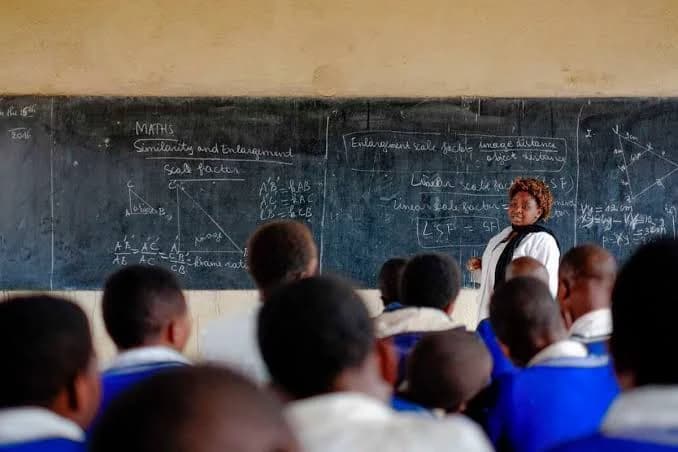
Kenyan teachers are expected to deliver the curriculum, assess learners and maintain professional standards. The Teachers Service Commission's Code of Regulations for Teachers and its Code of Conduct and Ethics also stress professional competence, learner welfare, integrity and accountability.
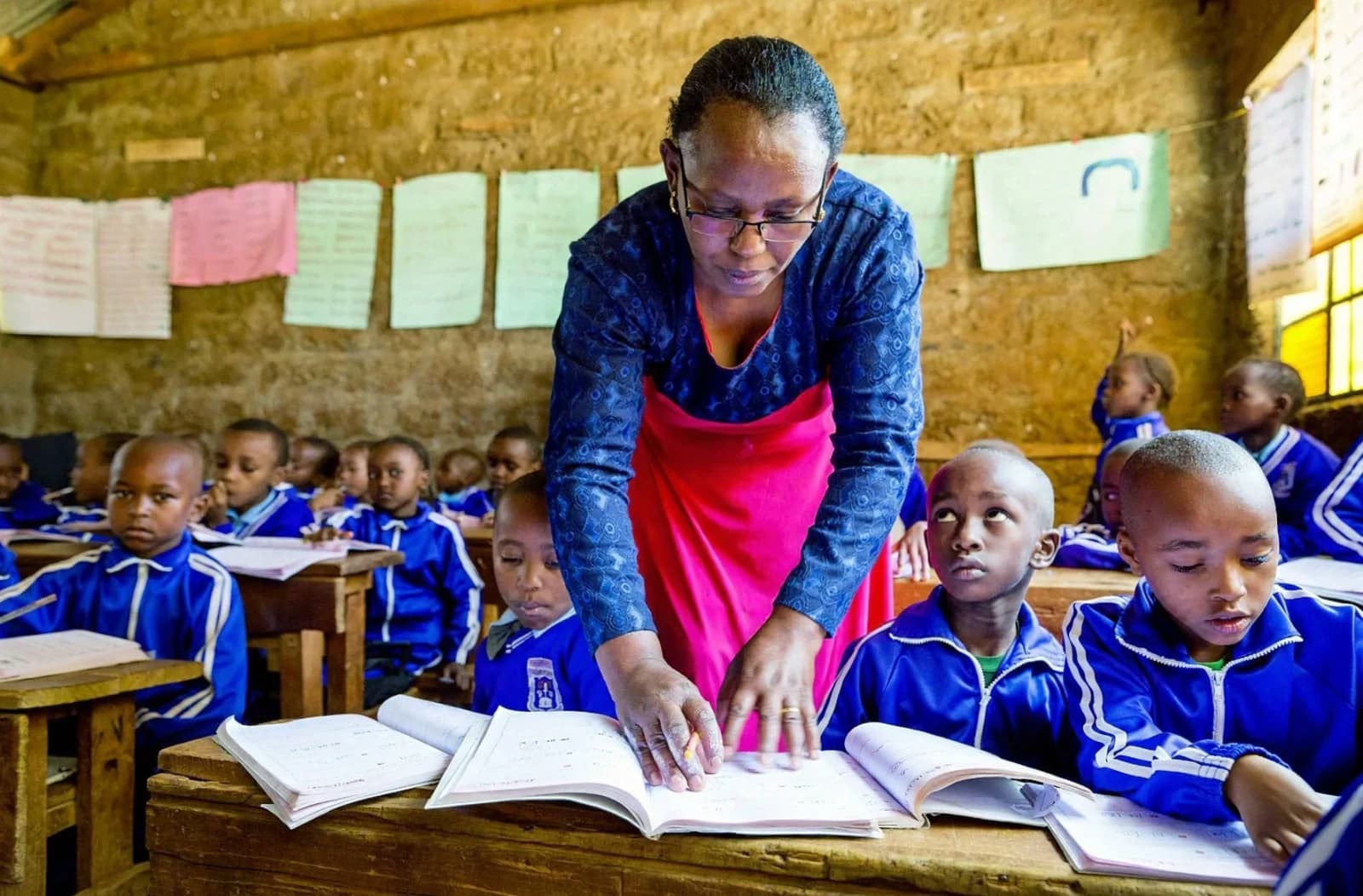
Many teachers help students build confidence, develop discipline and overcome academic challenges. Like coaches, they identify strengths, address weaknesses and support improvement. Unlike coaches alone, they must also meet curriculum requirements, assess progress and ensure that instruction responds to learners' needs. Teachers may be the first people outside the family to notice that a child is struggling, and they can work with parents, administrators and specialists to secure support. They cannot, however, replace parents, counsellors or other professionals, and effective education requires cooperation among families, schools and government institutions.
Why exam results should not be the sole measure of teaching
Examination performance matters, but it does not give a complete measure of teaching quality. Results are influenced by attendance, prior knowledge, class size, learning materials, family circumstances and individual effort. The Organisation for Economic Co-operation and Development's PISA 2022 results and UNESCO's Global Education Monitoring Report 2024/5 caution against interpreting outcomes without considering the conditions in which teaching and learning take place. Judging teachers only by grades can obscure both the challenges they face and the wider purposes of education, such as critical thinking, communication and problem-solving.
This does not excuse poor teaching. Kenya needs assessment that combines learner progress, instructional competence, professional conduct and examination outcomes. The Competency-Based Curriculum emphasises competencies and values, but those aims require reliable assessment and adequate support for teachers. The goal should be higher standards, assessed fairly and supported by the resources and working conditions needed to meet them.
Teachers' rights and learners' needs must both matter
Fair pay, manageable workloads, adequate resources and professional development are legitimate concerns. The Teachers Service Commission is the constitutional employer of teachers, while the Kenya National Union of Teachers and the Kenya Union of Post Primary Education Teachers represent major groups of educators. Disputes have included pay, promotions, workload and collective bargaining agreements. International guidance from the ILO, UNESCO and others links teacher retention and education quality to decent working conditions, professional status and support.
At the same time, prolonged industrial disputes disrupt learning and leave families uncertain. Kenya's Constitution protects the right to strike, subject to the law, and the Labour Relations Act, 2007, provides the framework for protected strikes and dispute resolution. Exercising that right does not remove the need to consider continuity of learning and children's interests. The way forward is constructive negotiation, fair employment practices and professional accountability, with employers addressing legitimate grievances and teachers upholding their responsibilities to learners.
Technology can support teachers, not replace them
Artificial intelligence is changing lesson preparation, explanations and learning exercises. The international survey mentioned AI in only a handful of responses, but that reflects the question asked and not a general rejection of technology. UNESCO's 2023 guidance on generative AI in education stresses human oversight, privacy protection, age-appropriate use and teacher preparation. For Kenya, the priority is to use digital tools without compromising educational quality, learner protection or professional judgement. Technology can assist instruction, but teachers remain responsible for guiding learning, assessing understanding and responding to students' needs.
Strengthening the profession requires practical action: fair pay, adequate resources and safe learning environments; professional development that builds effective teaching and assessment skills; a stronger partnership between families and schools; accountability that upholds professional standards and handles misconduct fairly under the TSC's regulatory framework; and broader assessment that considers learner progress, practical skills and professional competence alongside examination results. These priorities require cooperation among government, school leaders, teachers and parents.
Teachers should be valued neither through praise alone nor through salaries, strikes or examination results in isolation. They should be assessed against the full responsibilities of the profession: facilitating learning, supporting learner development, maintaining professional standards and helping students prepare for life beyond school. Kenya needs competent teachers, fair employment practices, accountable institutions, meaningful parental involvement and assessment systems that recognise both results and the conditions that produce them. The central question is whether the country gives teachers the support, fair evaluation, and professional recognition they need to prepare the next generation.


Reader Discussion (0)
Sign in to comment