







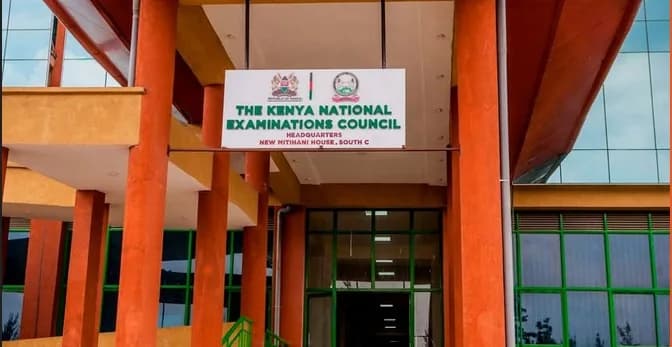
The administration of national examinations in Kenya depends on a coordinated chain of custody. It begins with the preparation of papers at the Kenya National Examinations Council (KNEC) and runs through transportation, the examination itself, the return of candidates' scripts, marking and the release of results.
The process involves KNEC, education officials, examination centre managers, security personnel, supervisors, invigilators and examiners, each responsible for keeping materials secure, accountable and traceable. The arrangements may vary by examination and by the instructions KNEC issues, but the normal journey follows several stages.
From KNEC to the examination container
KNEC prepares the papers and other materials for the scheduled examination. They are sorted, packaged and labelled by examination, subject, session and distribution needs, then kept under controlled security until they are authorised for dispatch. They are then released for transport, under approved logistical and security arrangements, to examination containers or other authorised distribution and storage points.
From the container to the school
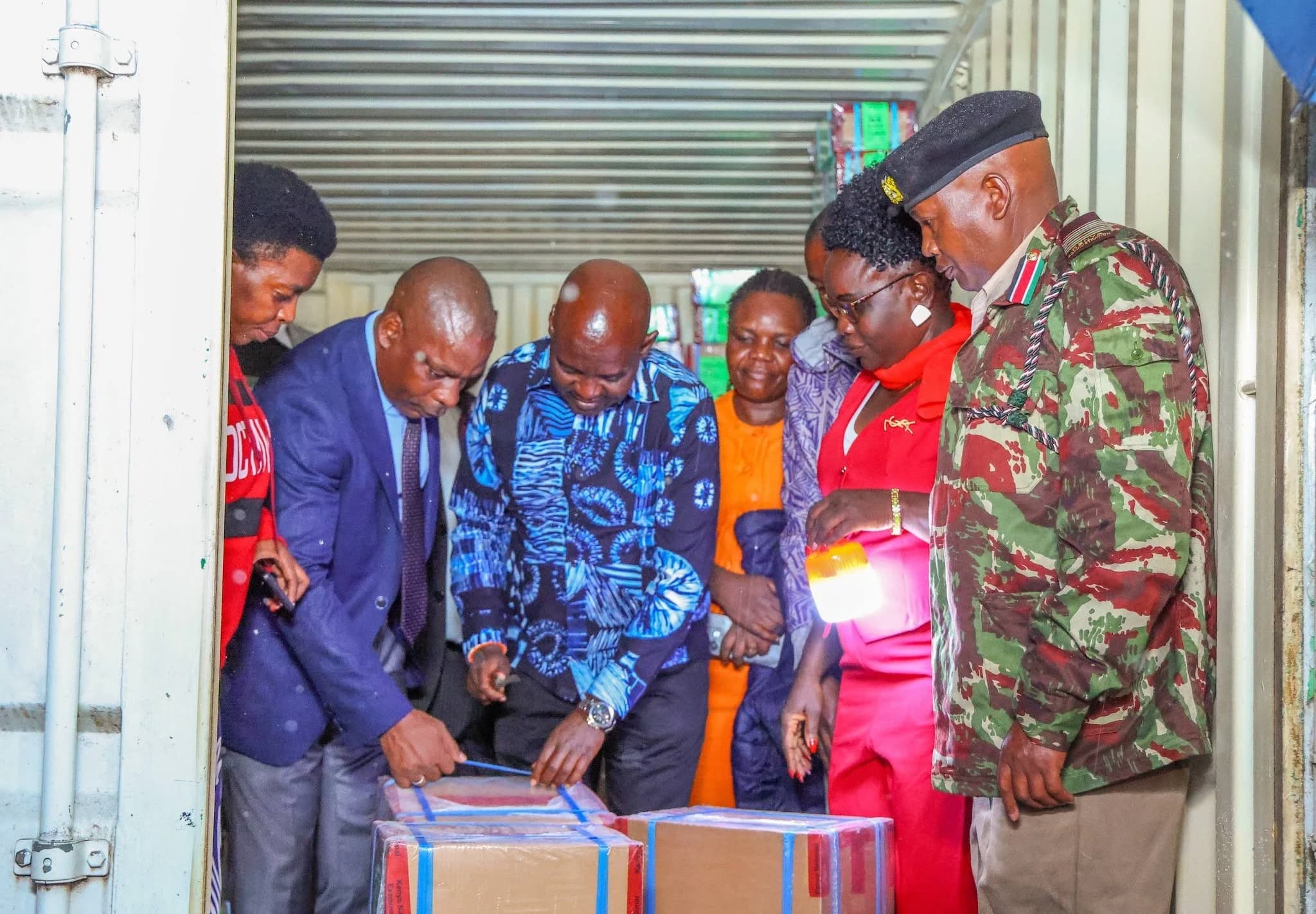
Officials at the container receive the materials, verify them and record their arrival. The materials stay protected in the container until the authorised collection time, when the centre manager or another authorised officer collects the materials for the school and checks them against the collection records and examination requirements.
The materials are then taken to the school examination centre under the prescribed security arrangements, and the centre manager keeps them secure until they are needed. The papers are issued and opened at the authorised time, in line with KNEC's instructions.
During and after the examination
Supervisors and invigilators oversee the examination, keep order and ensure the regulations are followed. At the end of each paper, candidates hand in their scripts as directed, and officials count them and check them against the examination records. The scripts are placed in the prescribed envelopes or other approved packaging, sealed with the accompanying documents and prepared for transport to the designated distribution point. Unused papers, question-paper packets and other accountable materials are handled according to KNEC's specific instructions.
Back to the container and on to KNEC
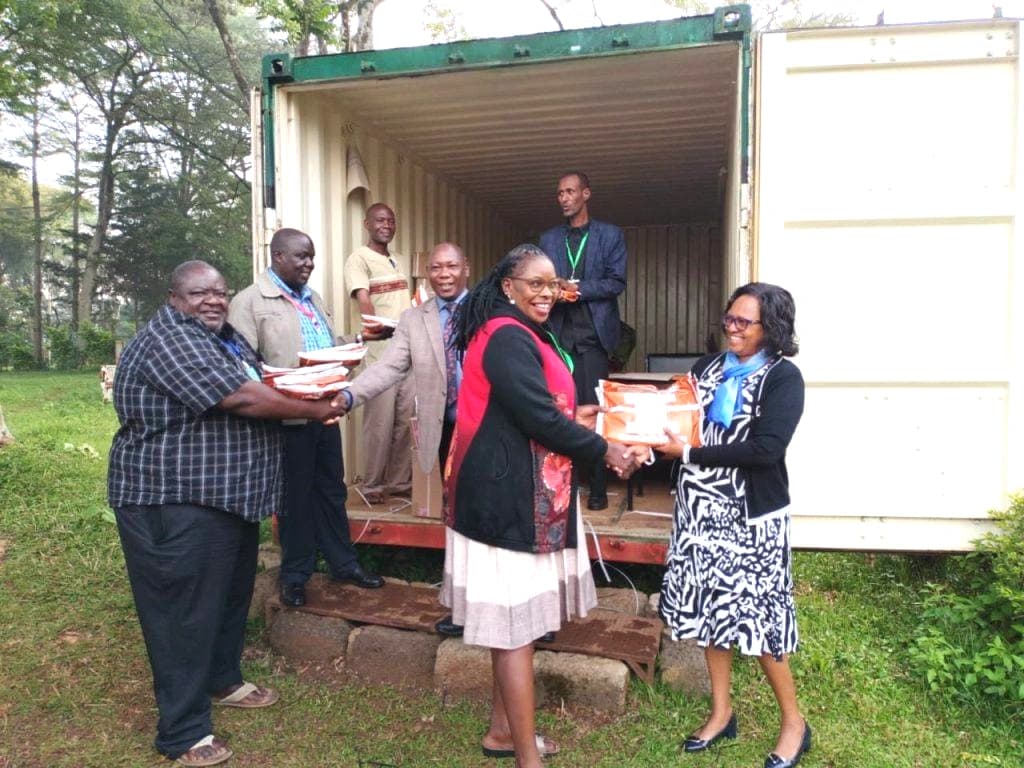
The school centre manager, or another authorised officer, hands over the scripts following the prescribed procedure, and they are transported back to the examination container. Officials there take custody, verify the records, address any discrepancies and keep the scripts secure until they are moved on.
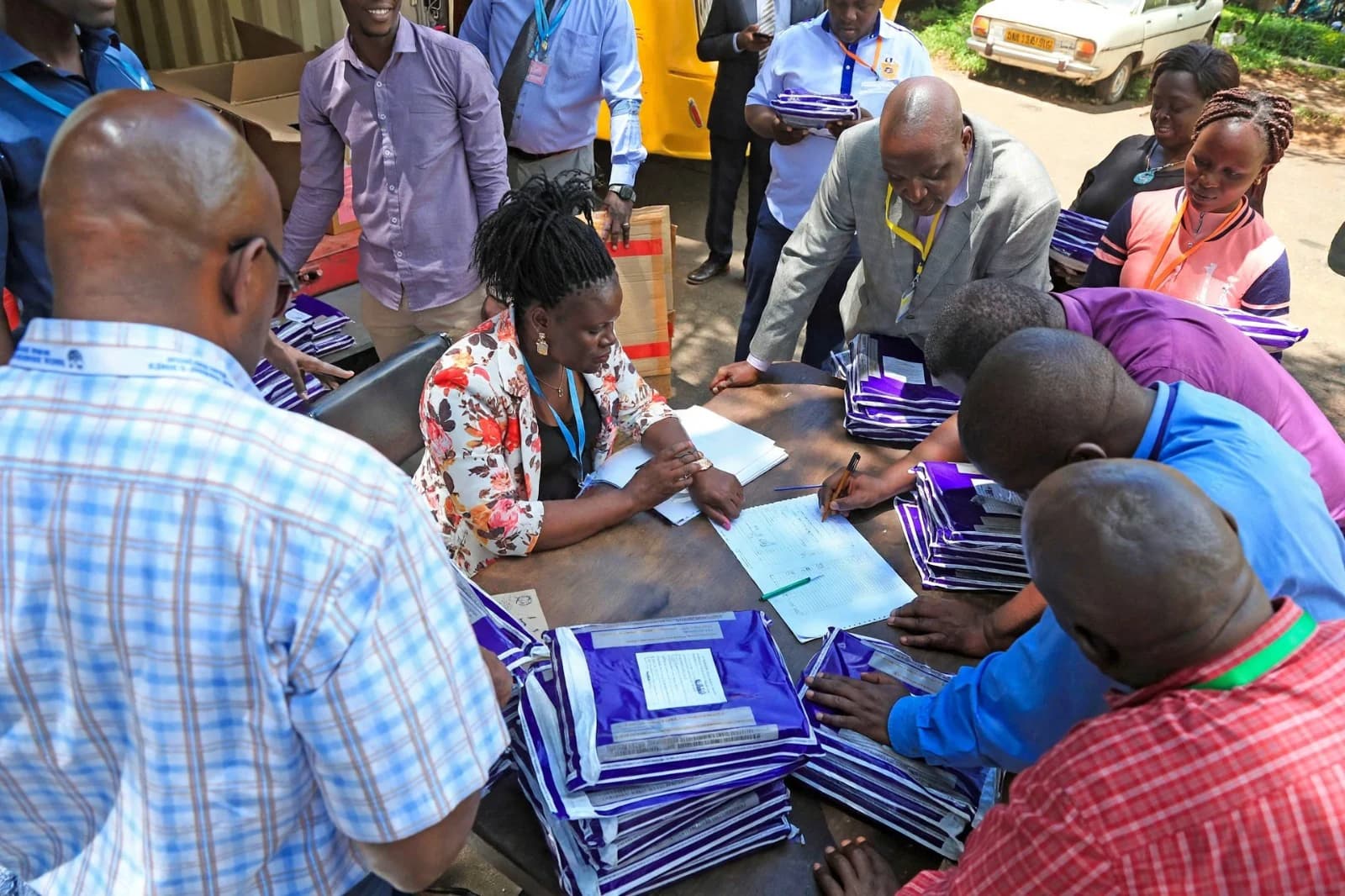
Authorised personnel then collect the scripts under the prescribed handover and documentation procedures and take them to the designated KNEC receiving facility. There, receiving personnel verify the consignment and record its arrival. The scripts are sorted by examination and marking requirements, then processed and allocated before distribution to authorised marking centres.
Marking and results
At the marking centres, officials account for the scripts they receive and carry out the required checks before marking begins. Authorised examiners assess the candidates' responses using the prescribed marking schemes and procedures. The marking and results-processing procedures undergo quality assurance and verification, the marks are processed, checked and compiled, and KNEC releases the results through authorised channels once the verification and processing are complete.
Why the chain of custody matters
The movement of examination materials is an accountability system meant to protect confidentiality, prevent loss or unauthorised access, safeguard candidates' scripts and support the credibility of the results. Every handover marks a point at which responsibility for the materials must be established, and proper records help officials track the materials, confirm receipt and investigate discrepancies.
Question papers and completed scripts move in opposite directions. Question papers travel from KNEC through distribution centres to schools, while completed scripts travel back before being processed and sent to marking centres. They do not ordinarily return to schools after the examination.
Security arrangements, transport schedules, collection times and the handling of unused papers depend on the examination concerned and the current KNEC instructions. The stages above are a general overview of the chain and not a reproduction of an official KNEC operational manual.


Reader Discussion (0)
Sign in to comment