
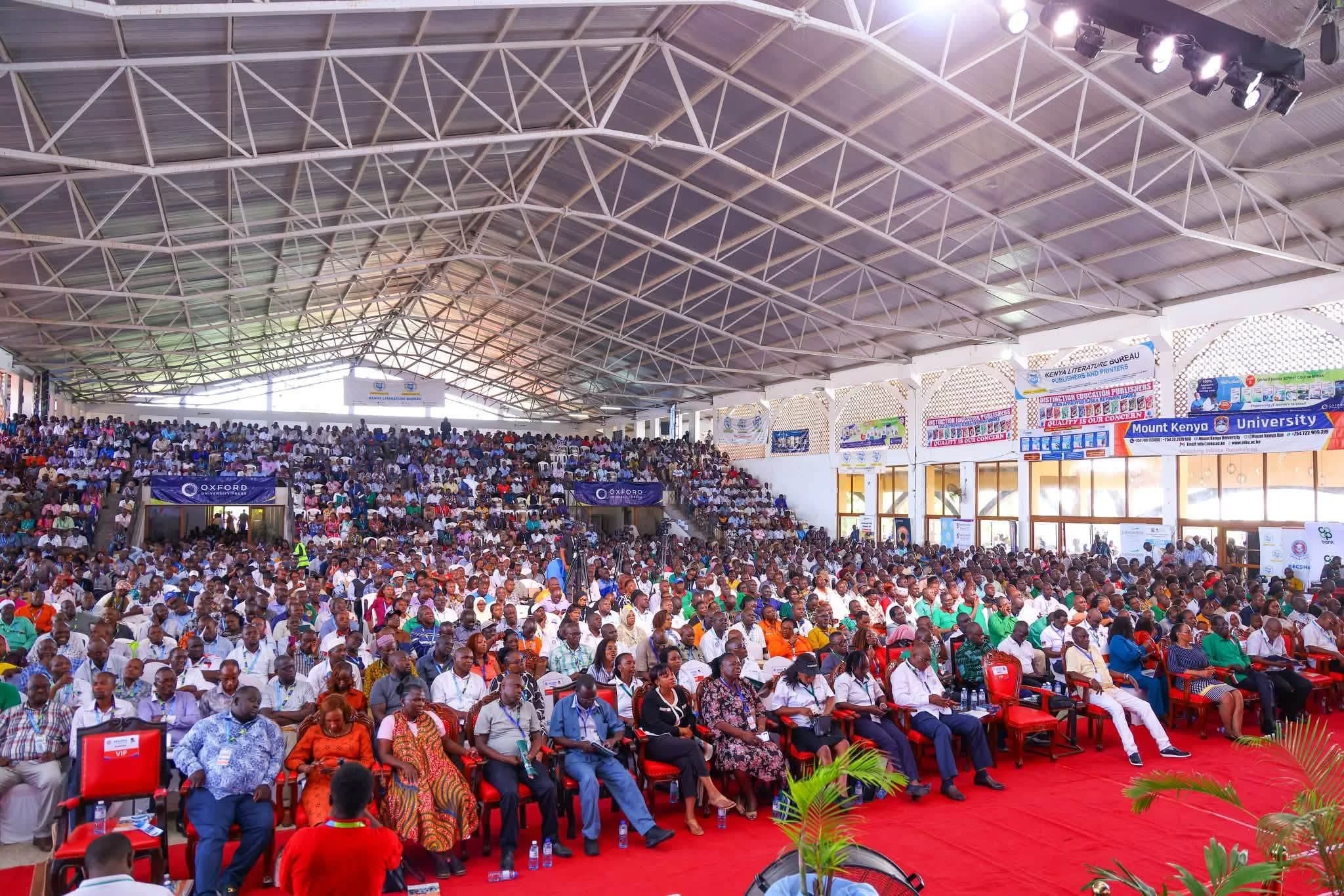
An assessment of the resolutions, policy commitments and persistent challenges emerging from Kenya's annual headteachers' conferences in Mombasa between 2021 and 2025 reveals significant progress in education reforms. It also exposes a widening gap between policy announcements and the realities confronting school administrators.
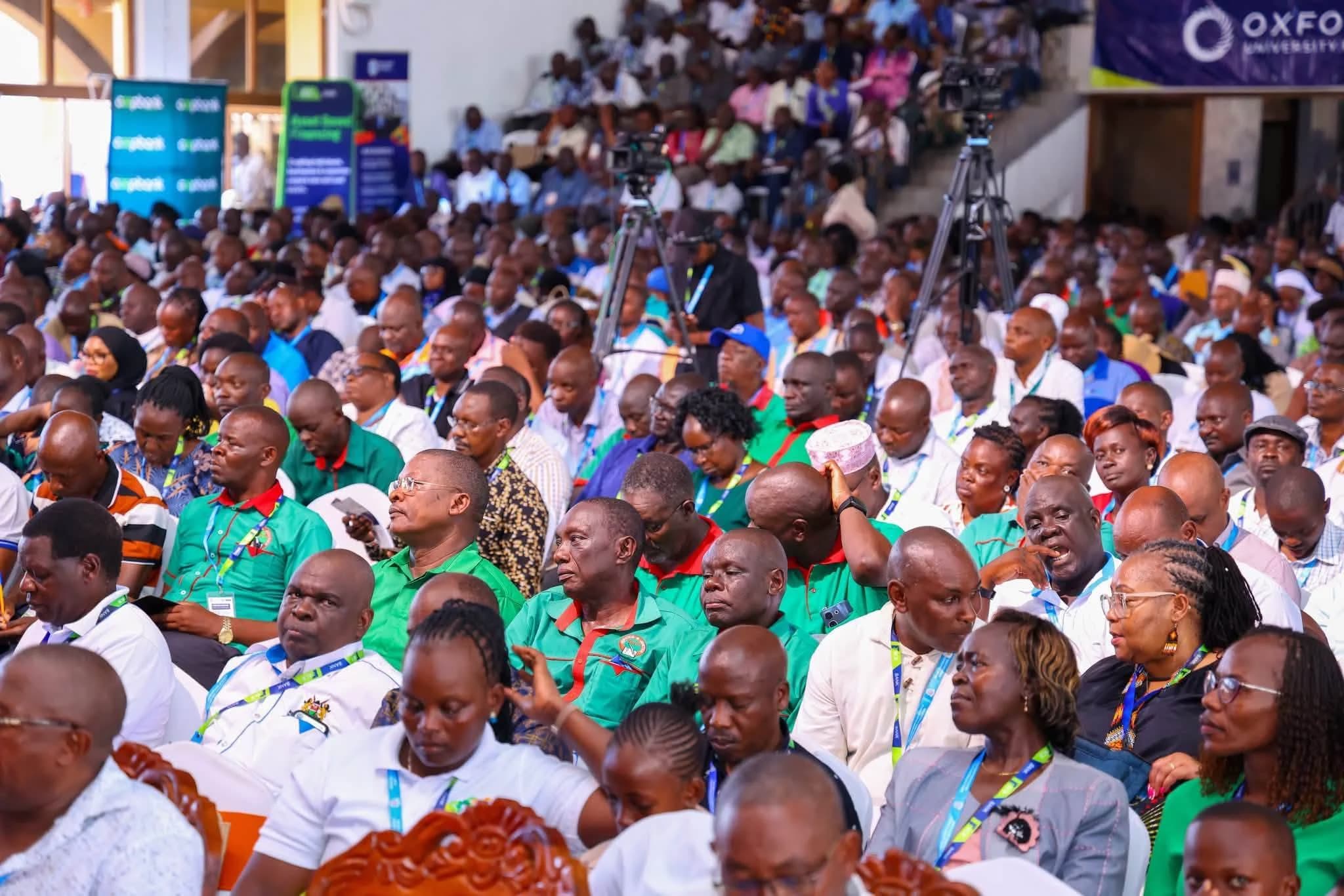
For five years, Kenya's headteachers have converged in Mombasa to deliberate on the future of basic education, examine government policies and present concerns affecting the management of public schools. Their annual conferences have provided an important platform for engaging the Ministry of Education, the Teachers Service Commission (TSC), education agencies and other stakeholders on matters ranging from curriculum implementation and teacher welfare to school financing, infrastructure and career progression.
Yet, as another national conference gets under way, an important question deserves renewed attention: how much of what headteachers have consistently demanded has actually been achieved, and how much remains trapped in conference resolutions, government assurances and policy discussions?
A review of the major issues discussed between 2021 and 2025 shows a sector that has undergone considerable structural transformation, particularly following the introduction of the Competency-Based Curriculum (CBC) and the transition to Competency-Based Education (CBE). However, several operational challenges have persisted, raising questions about whether the resources, staffing and administrative structures needed to support these reforms have kept pace with policy changes.
2021: Leading in crisis
The 2021 conference, held under the theme of leading in crisis and reimagining the future, came against the background of the Covid-19 pandemic and its disruption of learning. Headteachers were concerned about learning recovery, school financing, teacher welfare, curriculum implementation and the growing demands of institutional leadership.
The discussions underscored the importance of strengthening school management during periods of uncertainty. However, sustainable financing, adequate staffing and improved recognition of headteachers' responsibilities remained significant concerns in subsequent years.
2022: Transition to Junior School
In 2022, attention shifted towards managing the transition to CBC and preparing institutions for the introduction of Junior School (JS). The decision to domicile Junior School in existing primary schools fundamentally changed the responsibilities of primary school administrators. Headteachers were expected to oversee institutions accommodating learners at different levels while dealing with additional demands for teachers, classrooms, laboratories and learning materials.
The transition was a major policy milestone, but it also exposed the limitations of existing school infrastructure. While the government proceeded with the comprehensive school arrangement, the question of whether schools had sufficient resources to implement the expanded curriculum remained unresolved.
2023: Recognition for comprehensive school heads
The 2023 conference, held under the theme of rethinking education management within a comprehensive school framework, brought the leadership question into sharper focus.
Headteachers wanted recognition of the expanded responsibilities associated with managing comprehensive schools. They also raised concerns about teacher deployment, professional development, school financing and the sustainability of the new education structure.
One important development was the government's reported agreement to promote eligible primary school heads to Job Group C5. This acknowledged the changing responsibilities of school administrators following the introduction of Junior School. However, recognition through a promotion arrangement did not automatically resolve wider concerns about administrative grading, remuneration and the management of comprehensive institutions.
2024: Career progression and funding
By 2024, career progression and financial sustainability had become increasingly prominent issues. Headteachers were concerned that their responsibilities had expanded without corresponding improvements in remuneration and professional recognition. They wanted clearer promotion pathways, better compensation and a review of the administrative structures governing comprehensive schools.
School financing also remained a recurring concern. Delayed and inadequate capitation continued to affect the ability of institutions to meet operational requirements, purchase learning materials and maintain facilities.
The 2024 discussions demonstrated that curriculum reforms could not be sustained through policy announcements alone. Schools needed predictable funding, adequate staffing and infrastructure that reflected the actual demands of the new curriculum.
2025: Preparing for Senior School
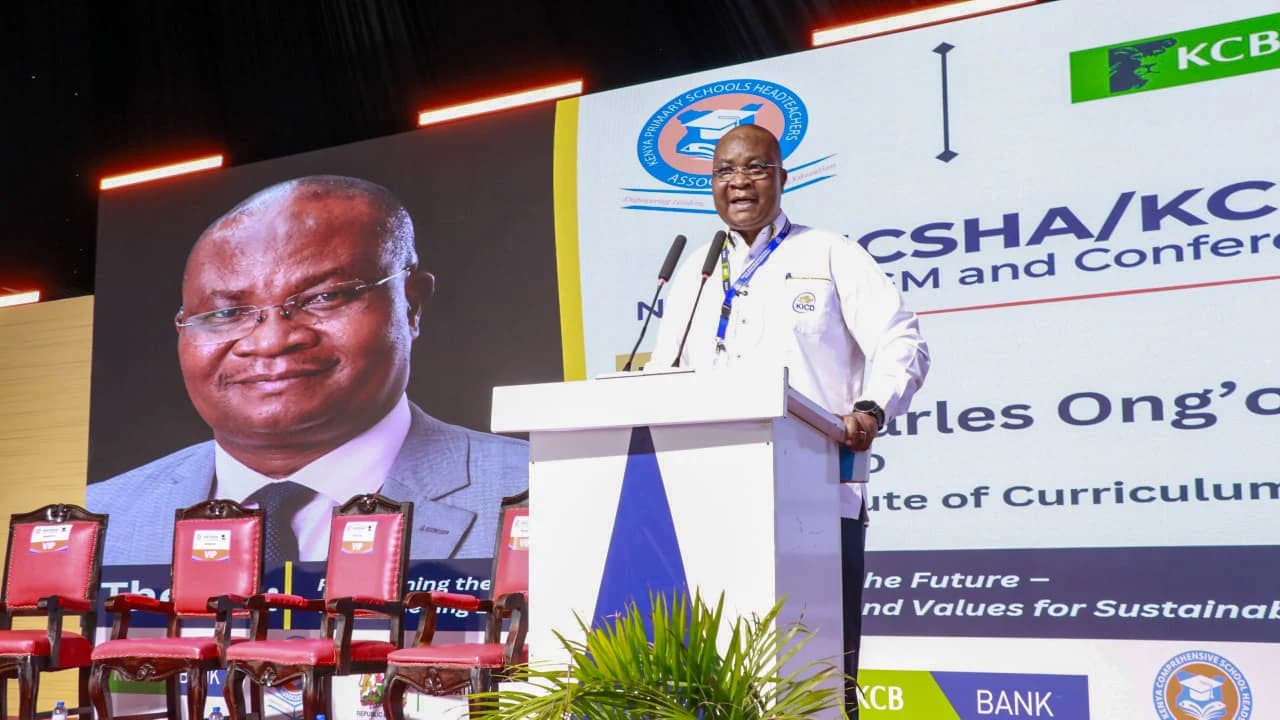
The 2025 conference marked another important stage in the country's education transition. Its theme, centred on celebrating CBE achievements, strengthening leadership and shaping the future of learning, reflected the growing importance of preparing institutions for the next phase of reforms.
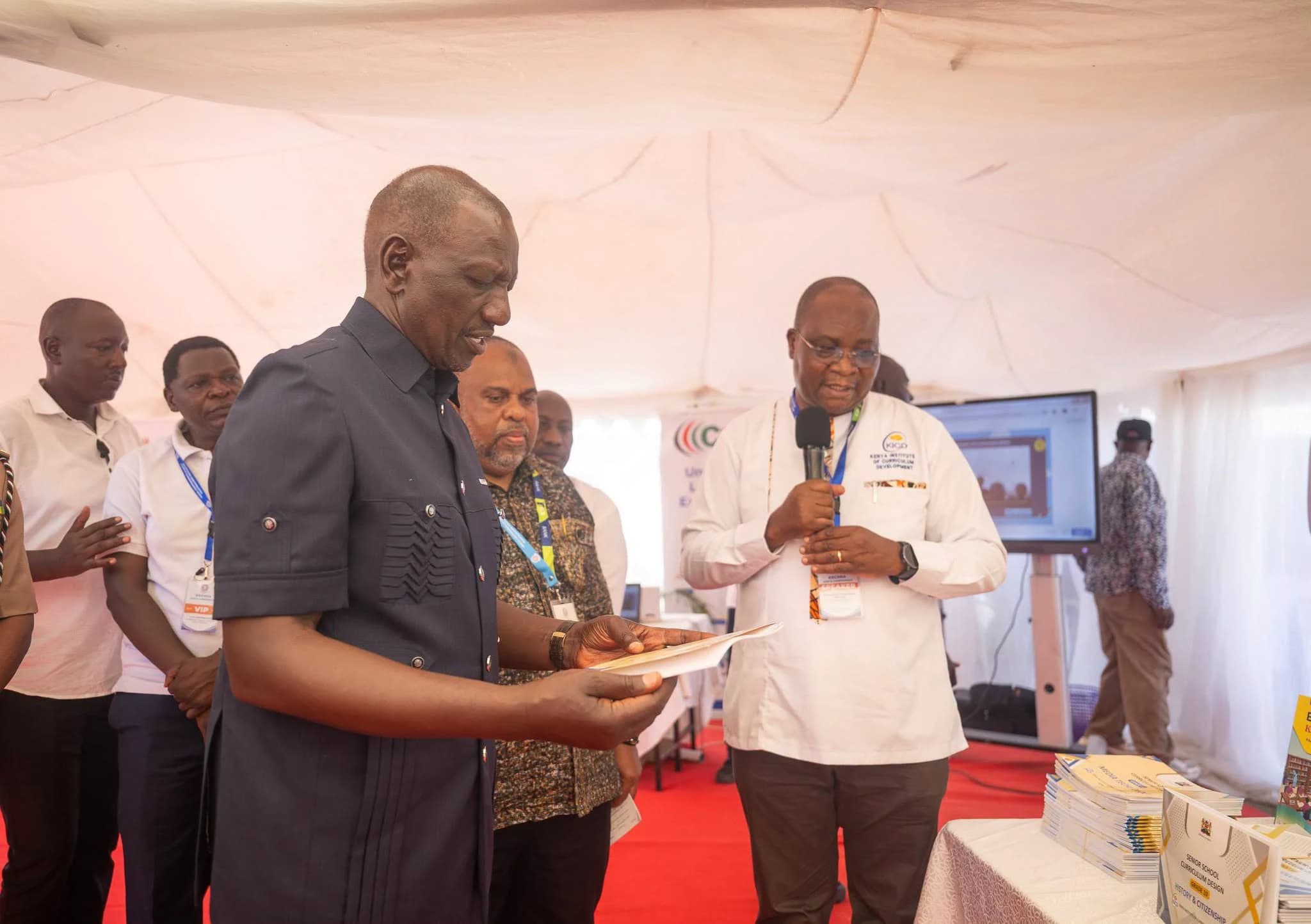
The completion of Grade 9 examinations marked a significant milestone in the implementation of CBE. Attention increasingly shifted towards Senior School preparedness, learner pathways, specialised learning facilities, digital integration and parental participation.
The transformation of the Kenya Primary School Headteachers Association (KEPSHA) into the Kenya Comprehensive Schools Heads Association (KECSHA) was another notable institutional development. The change reflected the expanded responsibilities of school heads and the need for an association whose identity represented the comprehensive school structure.
The government also announced commitments on increased capitation and additional funding for teacher promotions. These announcements represented important policy intentions, although their implementation and impact require independent verification.
Concerns that persist
Despite these developments, the five-year review shows that several concerns have followed headteachers from one conference to another.
Teacher promotions remain an important issue. School administrators want career progression arrangements that recognise qualifications, experience and the additional responsibilities of managing comprehensive institutions. The debate is no longer simply about occupying administrative positions but about ensuring that professional advancement corresponds with the demands placed on school leaders.
School financing is another persistent challenge. Headteachers require adequate and predictable capitation to implement government policies without constantly struggling to meet basic institutional obligations. Increased funding commitments must translate into timely disbursements and allocations that reflect the actual cost of running schools.
Teacher shortages also remain a concern, particularly in institutions struggling to secure the specialised teachers required for effective CBE implementation. Although recruitment initiatives have taken place, the distribution of teachers remains an important consideration. Schools in remote and disadvantaged areas require particular attention to ensure that learners enjoy equitable access to quality education.
Infrastructure presents another test of the reform agenda. Laboratories, workshops, ICT facilities, classrooms and specialised learning resources are essential for effective implementation of the curriculum. The transition to Senior School will further increase the demand for appropriate facilities.
Perhaps the most significant outstanding question concerns the management of comprehensive schools. The integration of primary and junior school sections has created new responsibilities for administrators, requiring clear reporting structures, effective supervision and adequate administrative support.
From resolutions to measurable results
The government, the TSC and KECSHA therefore have an opportunity to move beyond repeated conference discussions and establish a measurable framework for implementing outstanding resolutions. Such a framework should identify the commitments made, the responsible institutions, implementation timelines and the resources required. An annual resolutions implementation report would help establish which demands have been addressed, which are being implemented and which require further intervention.
The Ministry of Education should demonstrate progress on infrastructure and capitation, while the TSC should provide clarity on promotions, teacher deployment and career progression. KECSHA, for its part, should strengthen its role in monitoring commitments and representing the practical interests of school administrators.
Ultimately, the five-year experience demonstrates that Kenya has made substantial progress in restructuring basic education, but structural reforms must be matched by adequate investment in the institutions expected to implement them.
A school head cannot successfully deliver a new curriculum without sufficient teachers, appropriate facilities, reliable funding and a clear management structure. Equally, expanding administrative responsibilities without corresponding professional recognition risks creating an imbalance between expectations and institutional support.
The most important lesson from five years of Mombasa conferences is therefore the need to shift from resolutions to measurable results. As headteachers continue shaping the future of comprehensive education, the country must confront a fundamental question: are the people entrusted with implementing education reforms receiving the institutional support necessary to deliver the promised transformation?
The success of Kenya's education reforms will ultimately be measured not by the number of conferences held or resolutions adopted, but by improvements experienced in classrooms, schools, teachers' working conditions and learners' outcomes.
Reader Discussion (0)
Sign in to comment