



The successful implementation of Competency-Based Education (CBE) in Kenya requires more than curriculum reforms, new learning materials and changes in assessment approaches. It demands a strong support and monitoring system that ensures effective teaching and learning take place in every classroom. At the centre of this process are field officers from the Ministry of Education (MoE) and the Teachers Service Commission (TSC), who play a critical role in providing professional guidance, monitoring curriculum implementation and supporting teachers.
However, an important question arises: are field officers adequately prepared to observe CBE lessons, assess classroom practices and provide meaningful professional feedback to teachers? There is an urgent need for the MoE and the TSC to invest in structured and continuous training of their field officers on how to observe CBE lessons effectively.
One of the major challenges facing the effective implementation of CBE is that most field officers from both institutions are still glued to the traditional 8-4-4 approach to lesson observation.
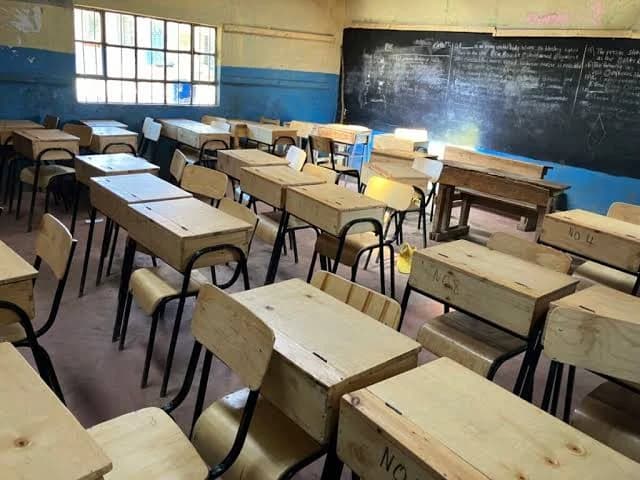
Despite the transition to a competency-based curriculum, many officers continue to apply observation practices shaped by the old system. Their focus often remains on conventional indicators such as lesson introduction, statement of objectives, teacher presentation, chalkboard use, syllabus coverage, note-taking and completion of written exercises.
Although some of these elements may still have a place in effective teaching, they do not necessarily show whether learners are acquiring and applying the competencies envisaged under CBE.
The danger is that officers may end up assessing CBE lessons through 8-4-4 lenses, expecting teachers to demonstrate practices that are more teacher-centred than learner-centred. This creates a disconnect between what the curriculum demands and what supervisors expect to see in classrooms.
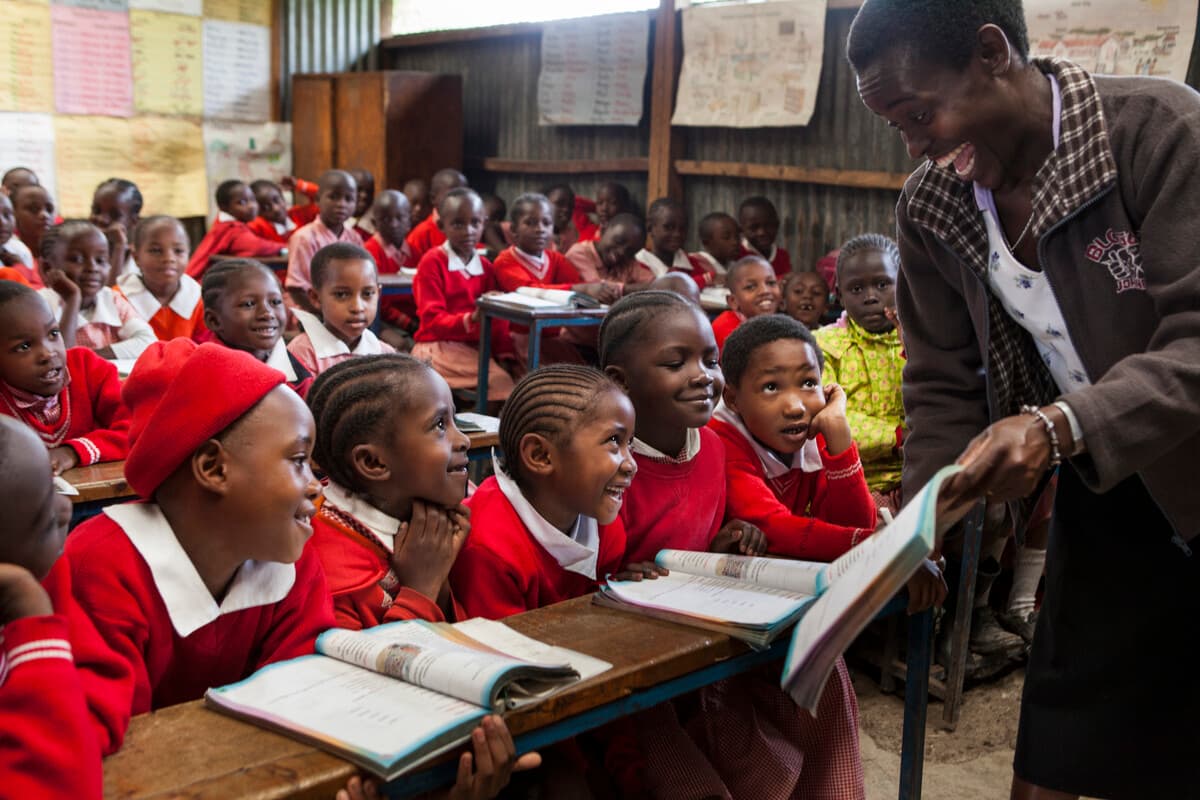
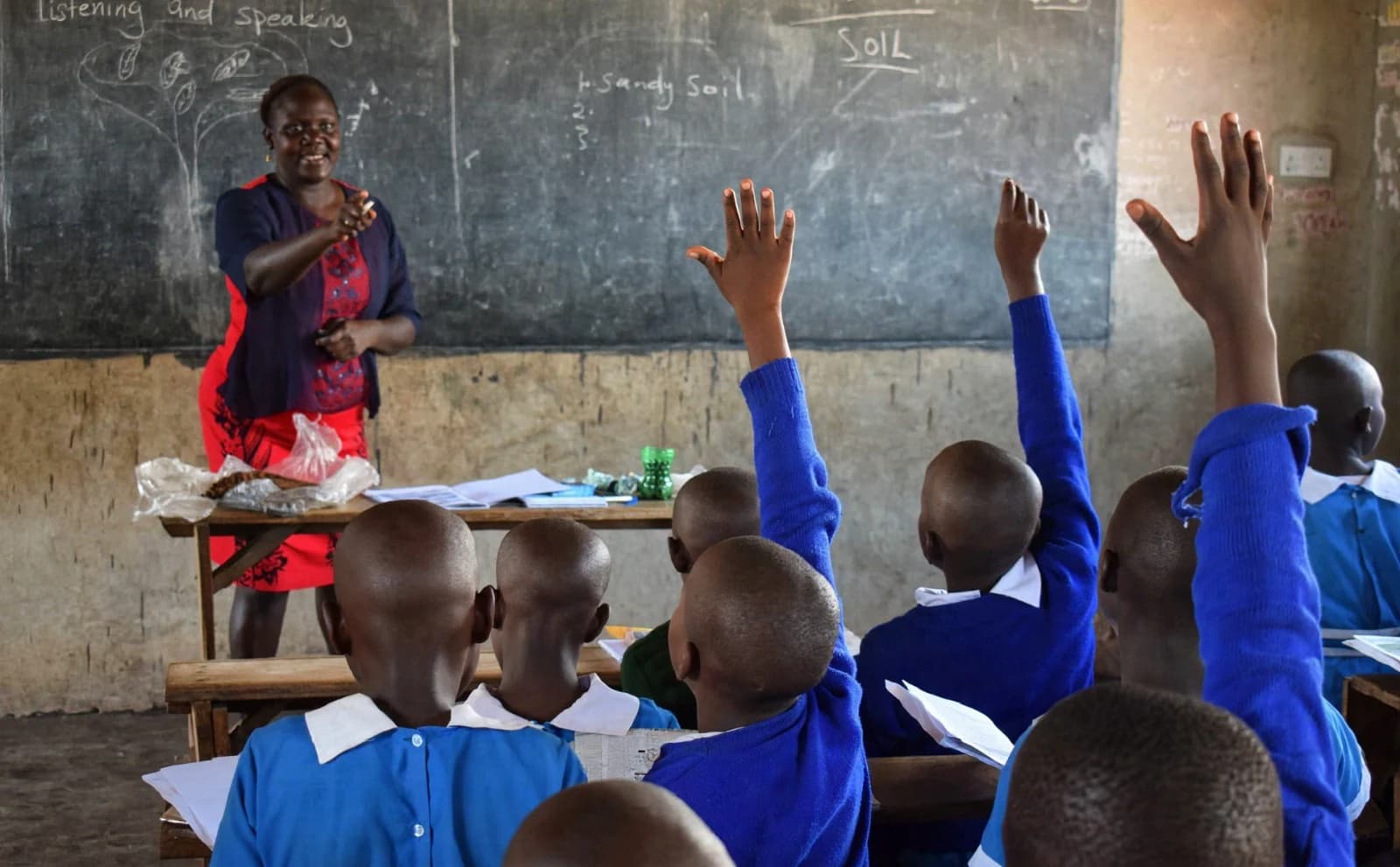
For instance, a lesson in which learners are actively engaged in group discussions, collaborative projects, practical activities, problem-solving tasks and peer learning may be wrongly judged against traditional expectations of teacher exposition and extensive note-taking.
This situation calls for an urgent paradigm shift among field officers. They must unlearn some traditional approaches to classroom observation and embrace new ways of assessing teaching and learning under CBE.
The transition to CBE cannot be complete if the curriculum changes but the mindset and professional practices of those supervising its implementation remain anchored in 8-4-4. It is contradictory to demand that teachers abandon traditional teaching approaches while field officers continue to evaluate lessons through the same traditional lenses.
CBE represents a significant departure from the traditional content-based approach to education. It places the learner at the centre of teaching and learning, emphasising the development of competencies, values, attitudes and practical skills. Observing a CBE lesson therefore requires a different mindset and a different set of professional skills.
Traditional classroom supervision often concentrated on lesson preparation, syllabus coverage, teacher presentation, classroom discipline and completion of written exercises. While these aspects remain important, they are not sufficient to establish whether learners are developing the competencies envisioned in the curriculum.
A CBE lesson observation should establish whether learners are actively engaged, participating in meaningful learning experiences, collaborating, communicating, thinking critically, solving problems and applying knowledge in real-life situations. Field officers must therefore understand what effective CBE teaching and learning looks like in practice.
There is an urgent need for structured capacity building targeting field officers from both the MoE and the TSC.
First, training will promote a common understanding of CBE expectations. Without adequate preparation, different officers may interpret curriculum requirements differently, resulting in inconsistent classroom observations and feedback.
Second, training will equip officers with practical lesson observation skills. They need to know how to identify evidence of competency development, learner engagement, differentiated instruction, formative assessment and the integration of pertinent and contemporary issues into classroom learning.
Third, training will improve the quality of feedback given to teachers. Classroom observation should not be an exercise in fault-finding. It should be a professional development opportunity through which teachers identify their strengths, reflect on their practice and address areas requiring improvement.
Fourth, trained officers will be better positioned to identify the challenges teachers face in implementation. These include inadequate teaching and learning resources, large class sizes, limited infrastructure, insufficient parental support and gaps in teacher preparedness.
What the training should cover
The proposed training programme should be practical, comprehensive and aligned with the CBE curriculum framework. Key areas should include:
1. Understanding the CBE framework: Officers should understand the curriculum designs, core competencies, values, learning outcomes and expected learning experiences.
2. Lesson observation techniques: They should acquire skills in observing learner-centred teaching approaches, classroom interactions, group activities and practical learning experiences.
3. Assessment of learning: Officers should understand how to observe formative assessment, feedback mechanisms, learner portfolios, projects and other competency-based assessment approaches.
4. Inclusive education: Training should equip officers to assess how teachers accommodate learners with different abilities, talents, interests and learning needs.
5. Use of observation tools: The MoE and the TSC should develop standardised CBE lesson observation instruments to promote consistency, objectivity and evidence-based reporting.
6. Professional feedback and mentorship: Officers should learn how to conduct constructive post-observation discussions, mentor teachers and support continuous professional development.
The implementation of CBE is a shared responsibility that requires effective coordination between the Ministry of Education and the Teachers Service Commission. While the two institutions have distinct mandates, their field officers interact with schools and teachers in ways that directly influence curriculum implementation.
It is therefore important that the two develop a coordinated capacity-building programme for their respective field officers. Joint training sessions, school-based demonstrations, peer learning and professional exchange programmes could help establish a shared understanding of effective CBE lesson observation. Such collaboration would also minimise duplication of roles and ensure that teachers receive consistent professional guidance.
Perhaps the most important shift required is moving from a culture of inspection to one of professional support and continuous improvement.
Teachers should not perceive lesson observation as an exercise designed to expose their weaknesses or intimidate them. Instead, it should be viewed as an opportunity to strengthen teaching practices and improve learner outcomes. Field officers must therefore approach classroom observation with professionalism, respect, objectivity and a developmental mindset.
The ultimate measure of successful lesson observation should not be the number of classrooms visited or reports submitted, but the extent to which the exercise contributes to improved teaching and learning.
As Kenya continues to implement CBE, the preparedness of those entrusted with monitoring and supporting its implementation cannot be overlooked.
The MoE and the TSC should prioritise the development and implementation of a comprehensive training programme for all relevant field officers on CBE lesson observation. The programme should be supported by standardised observation tools, clear guidelines, practical demonstrations and regular refresher courses.
Ultimately, the quality of education reforms depends not only on the policies developed but also on the capacity of those responsible for translating those policies into classroom practice.
We cannot expect teachers to implement CBE effectively if those mandated to guide, monitor and support them are not adequately equipped to understand and observe CBE in action. Training field officers is therefore not an optional undertaking; it is a strategic investment in the successful implementation of CBE in Kenya.


Reader Discussion (0)
Sign in to comment