- New infrastructure, bursaries and sponsorships are targeting barriers that prevent vulnerable girls from completing school.
- The initiative also confronts FGM, teenage pregnancies and early marriages that disrupt girls’ education.
- Improved examination conditions and learner protection form part of the wider education advocacy programme.
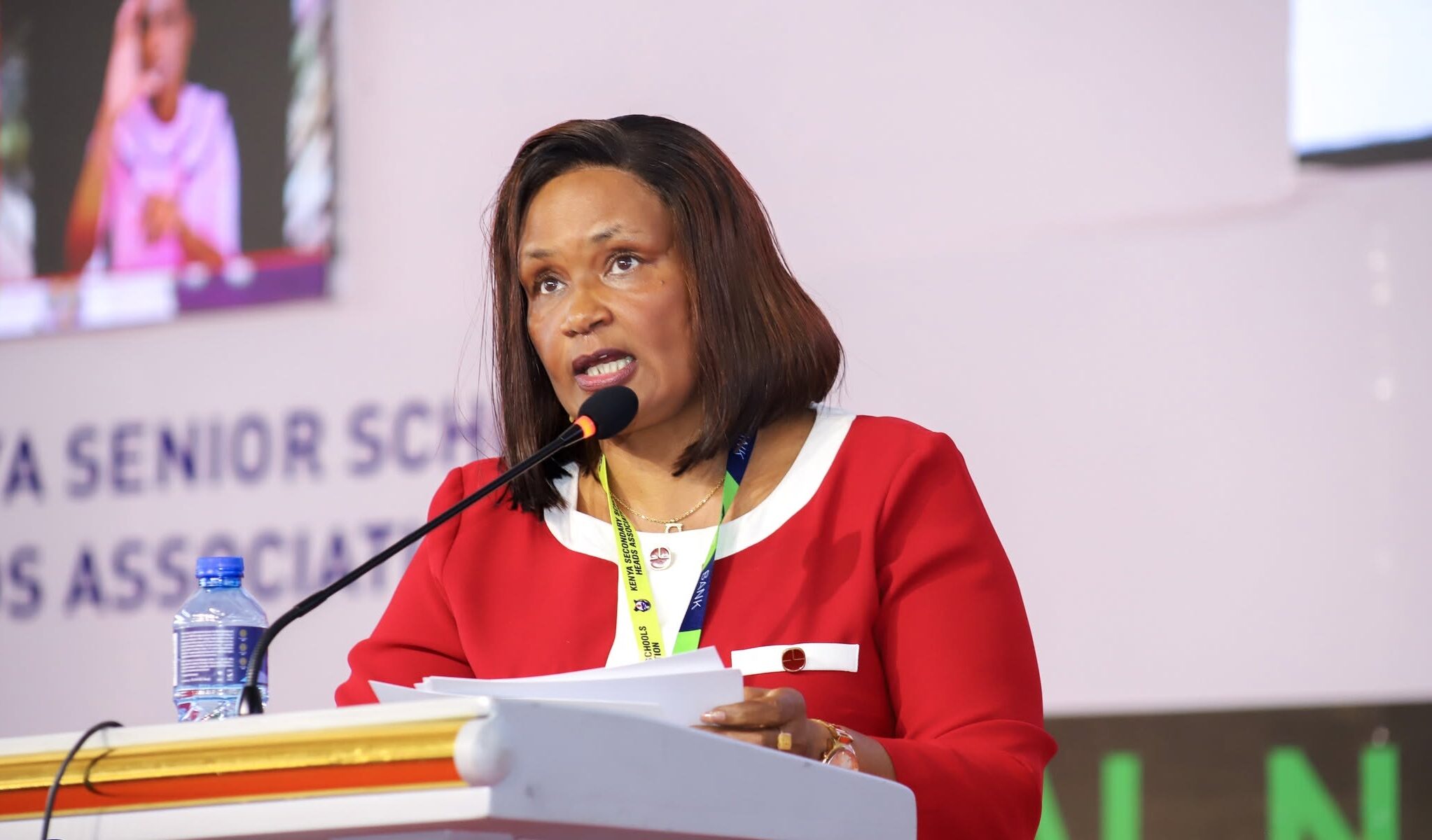
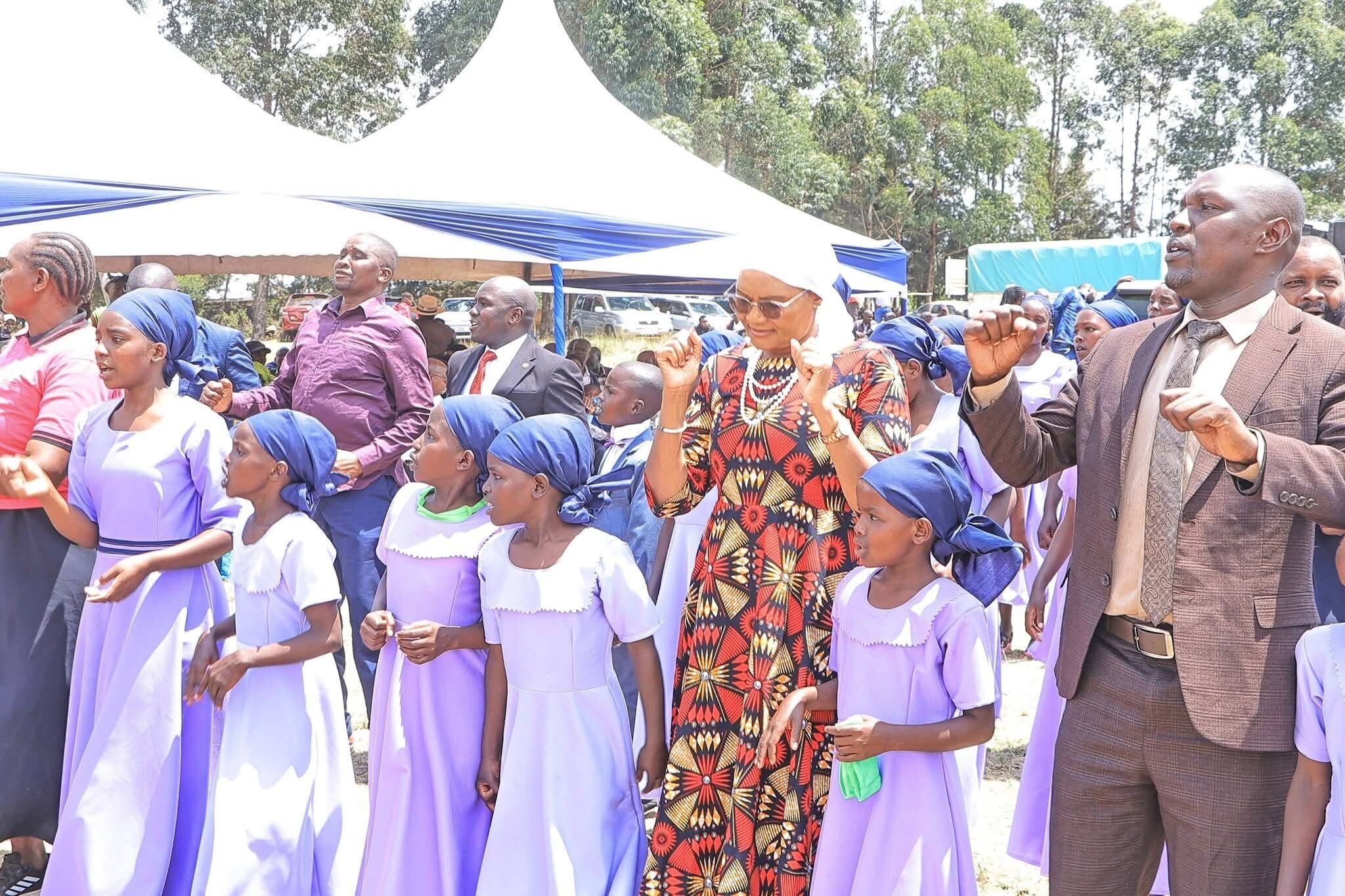
Narok County Woman Representative Rebecca Tonkei has intensified efforts to improve girls’ access to education in the county.
Tonkei observed that keeping girls in school requires tackling both financial barriers and harmful practices that force them to drop out.
Tonkei’s education agenda combines school infrastructure projects, bursaries and direct sponsorships with advocacy against Female Genital Mutilation (FGM), teenage pregnancies and early marriages.
The legislator, who sits on the National Assembly Education and Research Committee, has also pushed for improvements in the welfare and safety of learners.
One of the major projects associated with her education efforts is the construction of a 350-capacity modern dormitory and staff quarters at Maasai Girls Secondary School.
The project is being undertaken in collaboration with the Ministry of Education and international partners, including Germany’s Merck Family Foundation.
A modern dining hall is also under construction at the school.
Tonkei said improving facilities was essential to ensuring girls had a conducive environment in which to study.
“School infrastructure is not just about buildings. It is about creating a safe and dignified environment where our girls can learn, grow and realise their potential,” she said.
She has also used her office and individual support programmes to assist needy learners.
More than 25 girls from some of the most vulnerable and remote areas of Narok County, including Mosiro, have received direct support towards their secondary education.
Tonkei said financial difficulties remained one of the biggest obstacles facing families seeking to keep their children in school.
“We must ensure that poverty does not become a reason for a child to abandon education. A girl’s circumstances should not determine how far she can go in life,” she said.
Tackling barriers to girls’ education
But Tonkei’s campaign extends beyond financial assistance.
She has repeatedly called on communities to reject FGM, early marriages and other practices that expose girls to abuse and interrupt their education.
Her position on the Education and Research Committee has provided her with a platform to advocate for policies that strengthen girls’ retention in school.
She said communities needed to recognise that protecting girls’ education was a shared responsibility.
“We have a responsibility as parents, leaders and communities to protect our girls. No cultural practice should take away a child’s right to education and a better future,” Tonkei said.
Tonkei has also raised concerns about teenage pregnancies and drug abuse, which she says can derail the education of young people.
She has urged parents to maintain close communication with their children while encouraging schools and community leaders to strengthen mentorship and protection programmes.
Her office has also supported examination candidates across the county with revision materials and geometric sets as part of efforts to improve preparedness for national examinations.
Calls for learner-friendly examinations
Tonkei has further called for a more learner-friendly examination environment, including a review of intimidating armed security arrangements around examination centres.
She said candidates needed an atmosphere that allowed them to concentrate without unnecessary fear.
“An examination centre should give candidates confidence and peace of mind. We should protect the integrity of examinations while ensuring that our children are not subjected to unnecessary intimidation,” she said.
Tonkei’s education advocacy is informed by her experience as a former teacher and administrator.
Through her role in Parliament, she continues to push for policies and programmes that improve schools and promote equal learning opportunities for girls and boys.
She said the ultimate goal was to create an education system in which every child, regardless of gender, location or family income, had a genuine opportunity to succeed.
READ ALSO: Education Amendment Bill 2026 proposes major reforms in basic and higher education
For many girls in remote parts of Narok, the combination of financial assistance, better facilities and community advocacy could determine whether they remain in school or are forced to abandon their education.
By Kimutai Langat
You can also follow our social media pages on Twitter: Education News KE and Facebook: Education News Newspaper for timely updates.
>>> Click here to stay up-to-date with trending regional stories
>>> Click here to read more informed opinions on the country’s education landscape
>>> Click here to stay ahead with the latest national news.