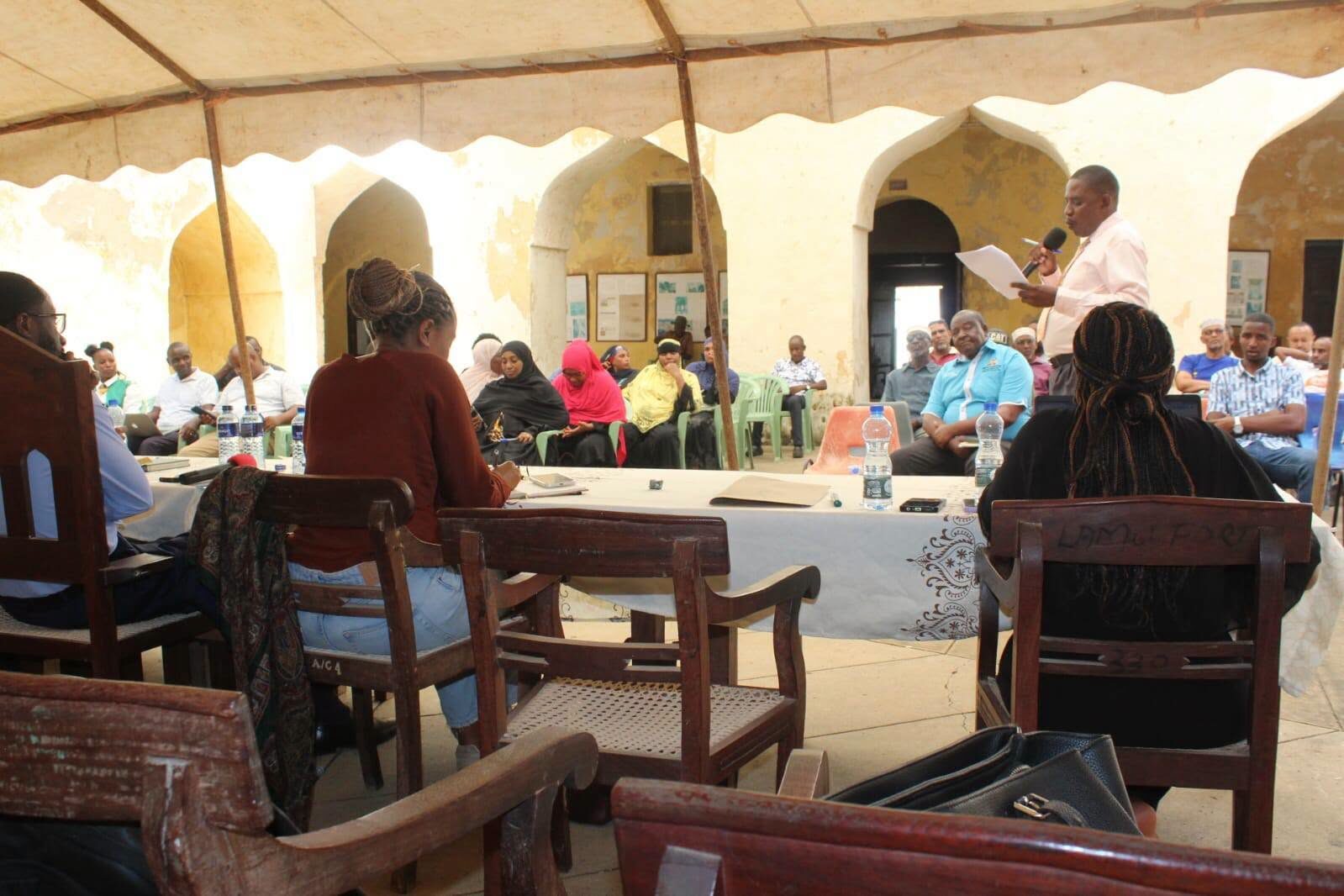
- Proposals seek stronger learner protections, school accountability and alignment with Competency-Based Education.
- Tertiary reforms would introduce new structures for student placement, scholarships, loans and financial support.
- The Bill also proposes significant changes to KICD governance, curriculum development and values-based education.
The Education Amendment Bill 2026 proposes far-reaching reforms to Kenya’s education sector, seeking to modernise the legal framework governing basic and higher education while strengthening access, accountability and protection of learners’ rights.
The Bill seeks to consolidate and modernise the Basic Education Act, Cap 211, to align it with the Competency-Based Education system and clarify the respective roles of the national and county governments in the provision of education.
Among the key proposals is a ban on public schools administering admission tests, a move aimed at promoting equitable access to basic education.
The proposed law further provides that no child should be denied education because of child labour, cultural practices, religion or conflicts between parents. It also seeks to strengthen the promotion of children’s welfare and rights and give full effect to the constitutional right to free and compulsory basic education.
The Bill proposes stronger registration and quality assurance mechanisms for learning institutions, as well as enhanced financial accountability in schools. It also introduces penalties for individuals who aid or abet absenteeism, with the aim of improving school attendance and reducing the number of learners dropping out of the education system.
The legislation also seeks to place the Kenya Institute of Special Education (KISE) and the National Council for Education Management (NCEMC) on a firmer statutory footing.
Major higher education funding reforms
The Bill proposes a consolidated legal framework for the placement and funding of students in tertiary institutions, bringing together provisions currently contained in the Higher Education Loans Board (HELB) Act, Universities Act and Technical and Vocational Education and Training (TVET) Act.
It proposes the establishment of a Placement Service and a Tertiary Education Funding Authority to oversee student placement and funding.
The proposed framework seeks to make higher education financing more accessible by providing for career guidance, loans, scholarships and mechanisms for resolving disputes.
Eligible students could receive up to 100 per cent government support for tuition and upkeep, depending on their circumstances and eligibility under the proposed funding framework.
The Bill also proposes allowing the financing system to draw resources from bonds, grants, partnerships and pension funds.
On loan repayment, the proposed law provides for repayment within one year while capping salary deductions at 25 per cent, aimed at protecting beneficiaries from excessive deductions.
Reforms at KICD
The Bill also proposes amendments to the Kenya Institute of Curriculum Development (KICD) Act to streamline the institute’s operations and functions.
It seeks to entrench values-based education, character formation, life skills and ethical learning within the official school curriculum.
The proposed reforms would also empower the Cabinet Secretary for Education to make regulations and provide transitional arrangements necessary for implementation.
The Bill further proposes the reconstitution of council membership, replacement of the position of Director with a Chief Executive Officer and revision of the tenure of the office holder.
It also seeks to reform the establishment and operations of committees and panels, including the repeal of the Academic Committee.
READ ALSO: 2026 Belgut Half Marathon targets education support for needy learners
Overall, the proposed Education Amendment Bill 2026 seeks to create a more coordinated, inclusive and accountable education system, while addressing barriers to access, strengthening learner protection and reforming the financing of higher education.
By Our Reporter
You can also follow our social media pages on Twitter: Education News KE and Facebook: Education News Newspaper for timely updates.
>>> Click here to stay up-to-date with trending regional stories
>>> Click here to read more informed opinions on the country’s education landscape
>>> Click here to stay ahead with the latest national news.