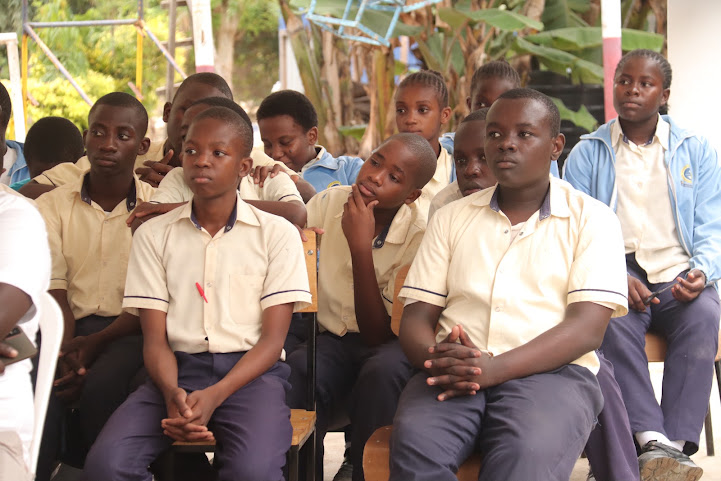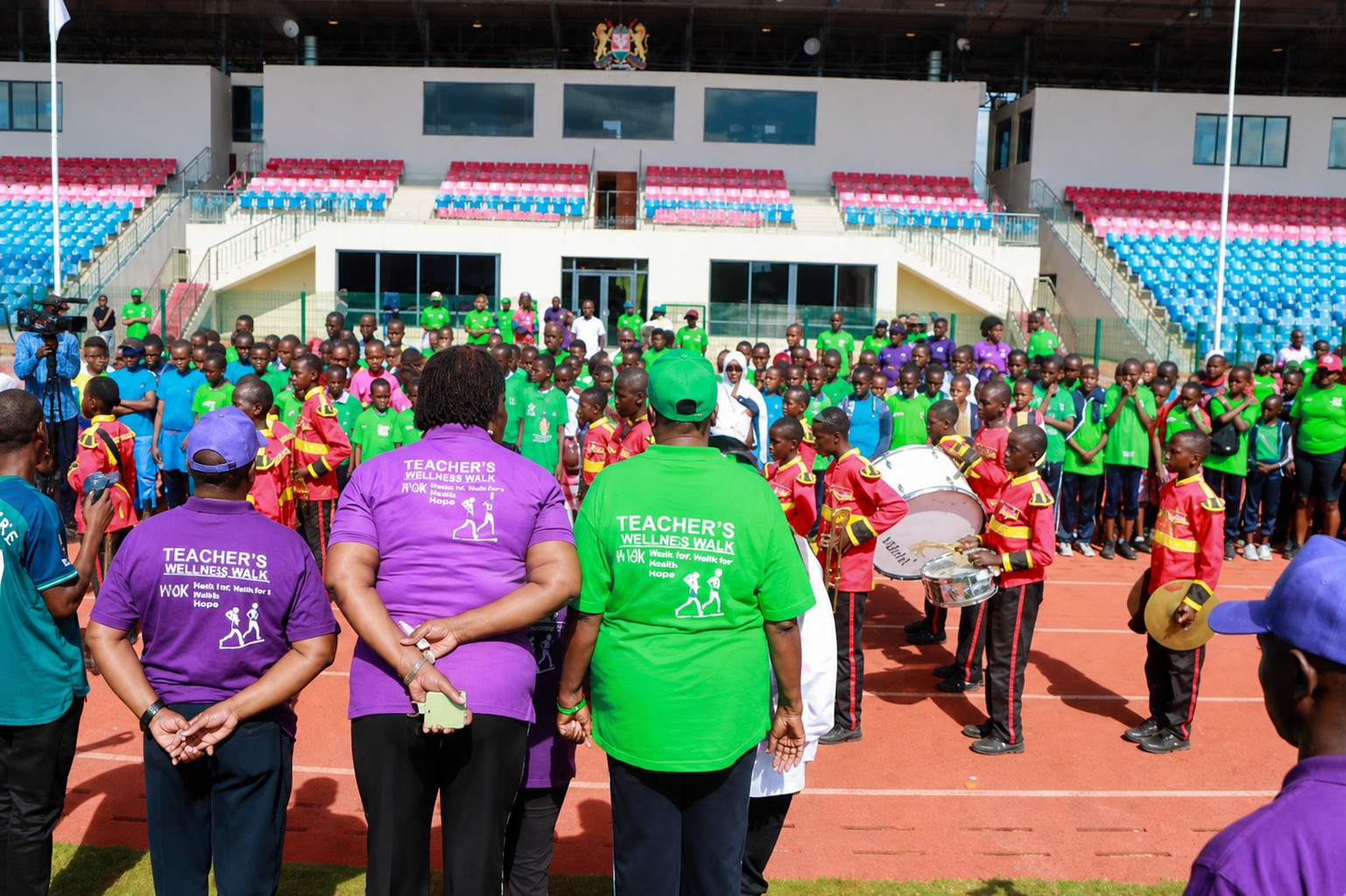
Children in Nakuru are set to take part in elections next week to choose leaders who will represent them at the Kenya Children’s Assembly.
The move is aimed at strengthening youth participation in governance at all levels.
The exercise will see children aged 17 years and below elect their peers to serve at both county and national levels, giving them a platform to voice issues affecting their lives.
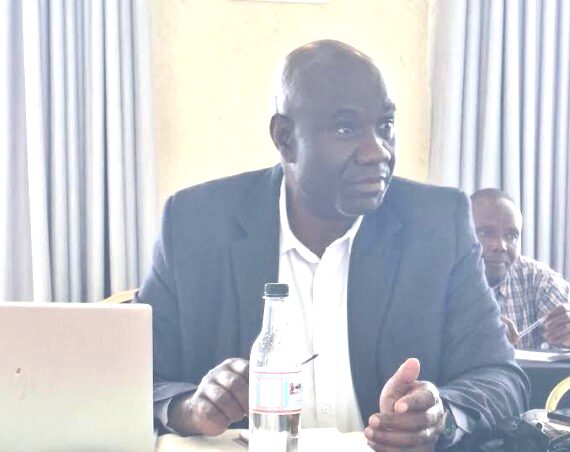
Nakuru County Coordinator for Children’s Services, Pilot Khaemba, said the elections are crucial in empowering children to actively participate in civic processes.
“This exercise is critical because it offers children a platform to champion their agenda both at the county and national level,” he said.
Khaemba noted that the Assembly provides a unique opportunity for children to learn leadership and advocacy skills.
“It is a good opportunity for children to learn how to organise themselves and advocate for the agenda that promotes their welfare,” he added.
The Kenya Children’s Assembly, established in 2011, brings together children from diverse backgrounds and serves as a bridge between young people and government institutions.
Through the Assembly, children’s views and recommendations are communicated to both county and national governments, while also helping relay government policies back to grassroots communities.
Successful candidates in the upcoming elections will serve for a minimum of one two-year term, with the possibility of serving a second term. Positions up for grabs include governor, deputy governor, speaker, deputy speaker, sergeant-at-arms, clerk, and committee secretaries.
According to Khaemba, the County Assembly will comprise 55 representatives—one from each ward—alongside clerks and sergeants-at-arms supported by the Scouts Association. Additionally, 22 chaperones drawn from sub-counties will be appointed to support the children during the Assembly’s activities.
“The Assembly is very important as it teaches children about their rights, legislative processes and national leadership structures. It also provides a channel for children to receive information on government development plans and offer feedback,” he said.
He emphasised that the initiative aligns with legal frameworks that protect children’s rights, including the Constitution of Kenya 2010 and the Children Act 2022.
Khaemba encouraged children to take the elections seriously and use structured platforms to express their views.
“The structures of the Children’s Assembly are important because they allow children to participate in policy, legislation and other issues that concern them,” he said.
He explained that ward-level elections will be overseen by appointed Returning Officers, with support from child-focused organisations to ensure the process is inclusive and child-friendly.
“The Returning officer, in consultation with the organisation, may adopt a simple secret ballot, show of hands or consensus for election purposes,” Khaemba said.
Following the ward elections, five elected members will form an electoral college to choose one representative to the County Children’s Assembly.
READ ALSO: The invisible curriculum: Life skills children learn before age 6 that no one talks about
“After the ward elections, the Returning Officer shall submit a list of electors, the five elected members and the name of the ward representative to the Secretariat,” he explained.
The initiative underscores the growing recognition of children as active members of society capable of identifying challenges and contributing to solutions that shape their future.
By Kimutai Langat
You can also follow our social media pages on Twitter: Education News KE and Facebook: Education News Newspaper for timely updates.
>>> Click here to stay up-to-date with trending regional stories
>>> Click here to read more informed opinions on the country’s education landscape
>>> Click here to stay ahead with the latest national news.