Residents of Nairobi County have called for increased investment in education infrastructure, alongside improvements in roads, healthcare and youth empowerment programmes, during a public participation exercise on the National Government Budget Estimates for the 2026/2027 Financial Year.
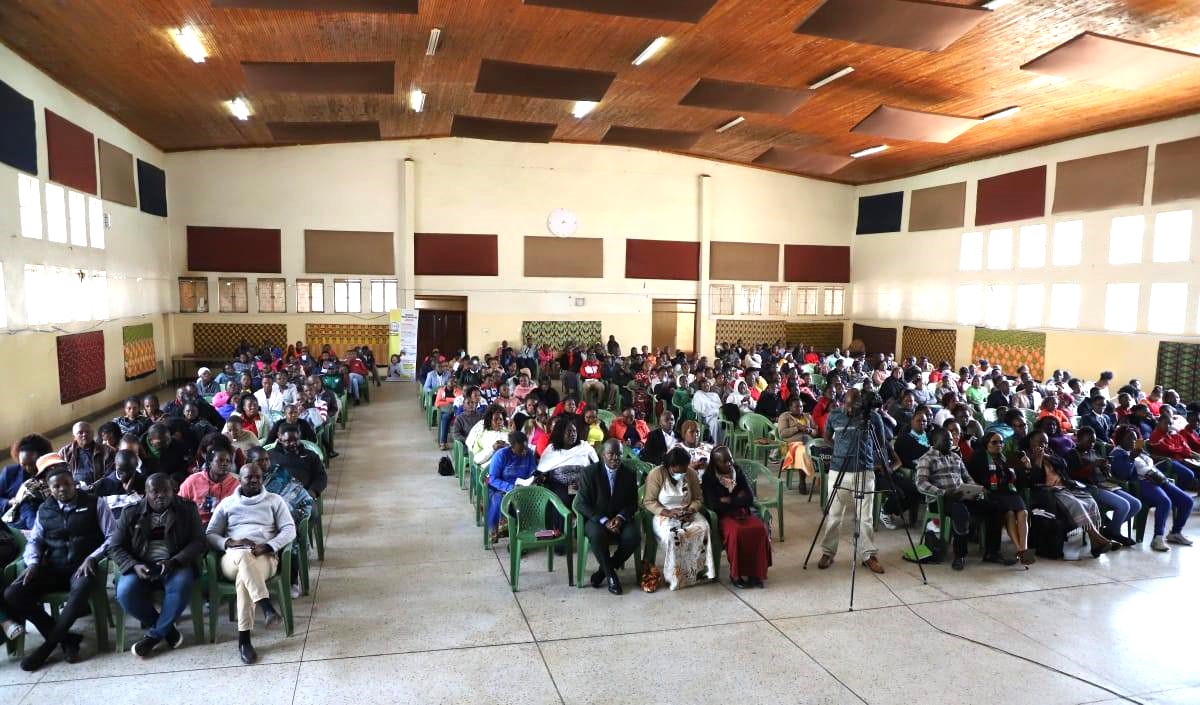
The forum, organised by the National Assembly’s Budget and Appropriations Committee in collaboration with Nairobi County Members of Parliament, was held at the Utawala Deputy County Commissioner’s office. It brought together residents from Embakasi East, Embakasi West, Embakasi South, Madaraka and other constituencies across the capital.
Education emerged as one of the key concerns raised during the meeting, with parents, teachers and community stakeholders urging the government to prioritise the construction of more public primary and secondary schools to address congestion and reduce the long distances travelled by learners.
Residents noted that overcrowded classrooms and inadequate learning facilities continue to affect the quality of education in many parts of Nairobi, especially in rapidly growing estates and informal settlements.
Participants also expressed concern over the lack of special needs education units in public schools, saying children living with disabilities face significant barriers in accessing quality and inclusive education.
“We need more schools and better support systems for children with disabilities. Many parents are struggling because public schools lack facilities for special needs learners,” said a parent representative during the session.
Stakeholders further appealed for increased bursary allocations and timely disbursement of education funds to support vulnerable learners at risk of dropping out of school due to financial challenges.
ALSO READ:
Making of a teacher: The brutal truth about teaching practice
Poor infrastructure also featured prominently during the discussions, with residents decrying the deteriorating condition of roads, inadequate drainage systems and recurring flooding in several estates.
Participants told lawmakers that impassable roads during heavy rains disrupt access to schools, hospitals and business centres, affecting both learning and economic activities.
“We suffer every rainy season because roads in some estates are completely cut off. Children cannot get to school and traders incur huge losses due to flooding,” said a resident from Embakasi West.
Residents urged the government to invest in modern drainage systems to address perennial flooding in areas such as Utawala, Mukuru and parts of Embakasi.
Youth representatives used the forum to push for greater investment in empowerment initiatives aimed at tackling unemployment and improving skills development opportunities.
They proposed the establishment of ICT hubs, innovation centres and vocational training institutions across Nairobi constituencies to equip young people with marketable skills and enhance self-employment opportunities.
The youth also called for increased funding and awareness for programmes such as the Youth Fund and the NYOTA Fund to support small businesses and start-ups.
Healthcare challenges in underserved areas equally dominated the session, with residents calling for the construction of more public health facilities to improve access to affordable treatment.
Residents from Utawala and neighbouring estates said many families are forced to rely on costly private clinics or travel long distances to access services in public hospitals.
“The cost of healthcare is becoming unbearable for ordinary families. We need more public health centres closer to the people,” said a youth leader from Embakasi South.
ALSO READ:
Parliament presses TSC over promotions, intern confirmation and teachers’ welfare
Persons with disabilities also appealed for inclusive planning and implementation of development projects, urging the government to ensure accessibility in public infrastructure and institutions.
Session chairperson Jematiah Sergon assured participants that their views would be considered in the budget-making process.
“Public participation is a critical pillar of our budgeting process. The concerns and proposals raised here will help inform allocation priorities for the 2026/2027 financial year,” she said.
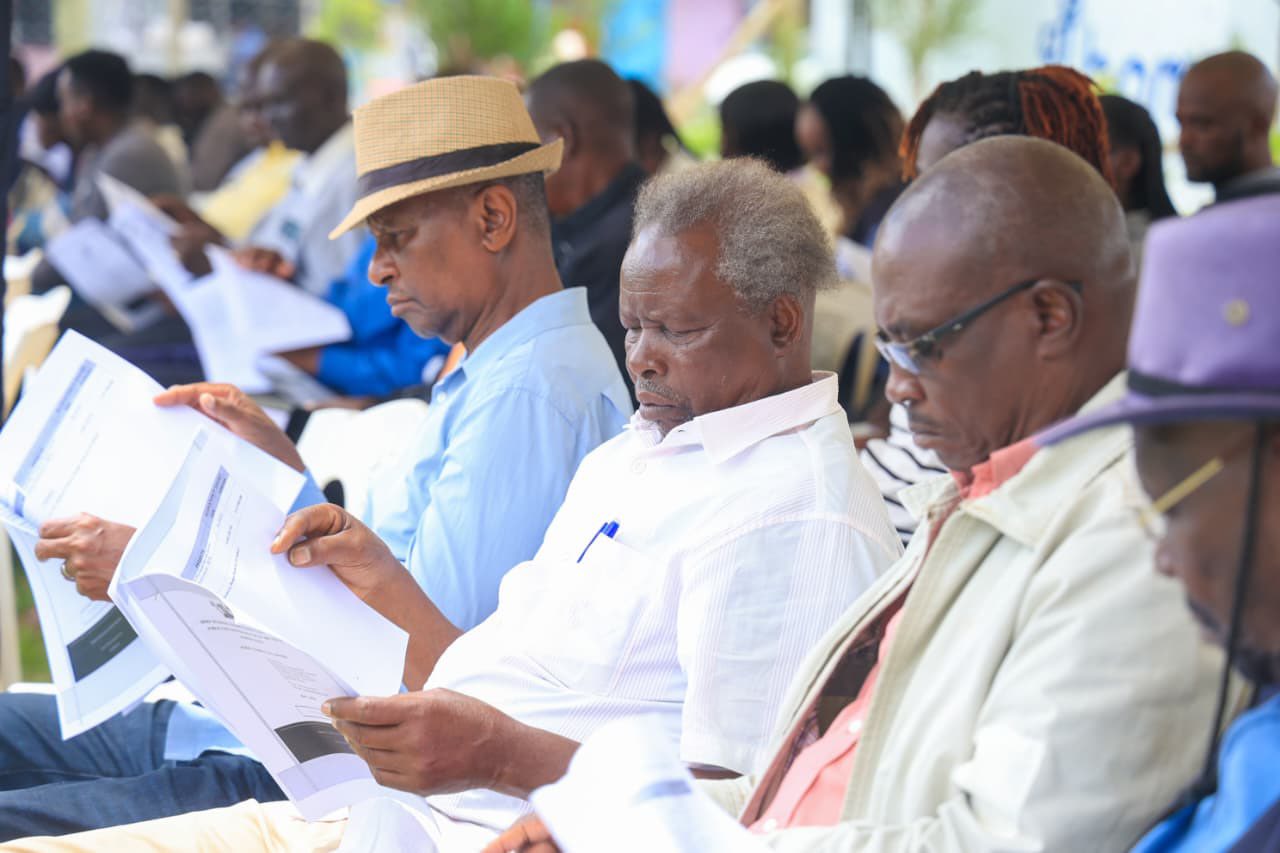
She encouraged stakeholders to submit written memoranda to supplement the oral presentations made during the exercise.
The committee reaffirmed its commitment to transparency and inclusivity in budget planning, noting that public views would play a key role in shaping government spending priorities aimed at addressing Nairobi’s pressing development challenges.
By Juma Ndigo
You can also follow our social media pages on Twitter: Education News KE and Facebook: Education News Newspaper for timely updates.
>>> Click here to stay up-to-date with trending regional stories
>>> Click here to read more informed opinions on the country’s education landscape