As Kenya continues implementing the Competency-Based Curriculum (CBC), conversations in staffrooms, homes, churches, markets, and social media platforms have increasingly revolved around pathways, tracks, learning areas, and future careers.
Parents want to know whether their children will become doctors, engineers, teachers, lawyers, pilots, architects, journalists, or entrepreneurs. Schools are organizing career guidance sessions, while universities are redesigning programmes to align with the new system.
The national conversation appears firmly focused on one question: What career will my child pursue?
Yet amid all this excitement about careers, a critical component of CBC risks being overlooked: What talents will CBC discover, nurture, and develop in our learners?
Understanding the difference between careers and talents
Before exploring that question, it is important to distinguish between a career and a talent.
A career is a long-term professional occupation or vocation through which an individual earns a livelihood and contributes to society. Careers are usually acquired through education, training, certification, experience, and specialization.
Teaching, medicine, law, engineering, accountancy, journalism, and architecture are examples of careers. Careers answer the question: “What work will I do?” They focus primarily on professional identity and economic productivity.
Talent, on the other hand, refers to a natural aptitude, gift, or exceptional ability that a person possesses in a particular area.
Unlike careers, talents are often innate, although they require nurturing, practice, and exposure to flourish.
A learner may have a talent for singing, public speaking, leadership, athletics, drawing, acting, storytelling, innovation, or problem-solving.
Talent answers a different question: “What am I naturally gifted at?”
While careers are often acquired, talents are usually discovered. Careers can change several times throughout a person’s life, but talents frequently remain a fundamental part of one’s identity.
CBC and the discovery of human potential
The Competency-Based Curriculum recognizes that education should not merely prepare learners for employment. It should help them discover who they are.
This represents a significant departure from traditional educational thinking, where success was largely measured through examination grades and eventual career placement.
CBC acknowledges that learners possess different strengths and that not all gifts can be adequately measured through written examinations.
Indeed, some of society’s most transformative individuals have excelled not because they were the highest academic performers, but because their unique talents were identified and nurtured.
Leadership talent
One of the most important talents CBC seeks to cultivate is leadership.
Every school contains learners who naturally inspire others, organize activities, mediate conflicts, and mobilize their peers toward common goals.
Such learners may not necessarily top examinations, yet they demonstrate extraordinary interpersonal abilities.
Through student councils, collaborative projects, community service, and learner-centred activities, CBC creates opportunities for leadership talents to emerge and develop.
The future national leader, principal, governor, diplomat, or community organizer may currently be the learner confidently coordinating a class project or representing fellow students in school forums.
Artistic and creative talents
CBC also provides fertile ground for artistic and creative talents.
For many years, artistic abilities were often regarded as extracurricular interests rather than serious developmental strengths.
Yet society increasingly depends on graphic designers, filmmakers, photographers, animators, fashion designers, illustrators, writers, and content creators.
Many learners possess remarkable creative imagination that traditional examinations rarely capture.
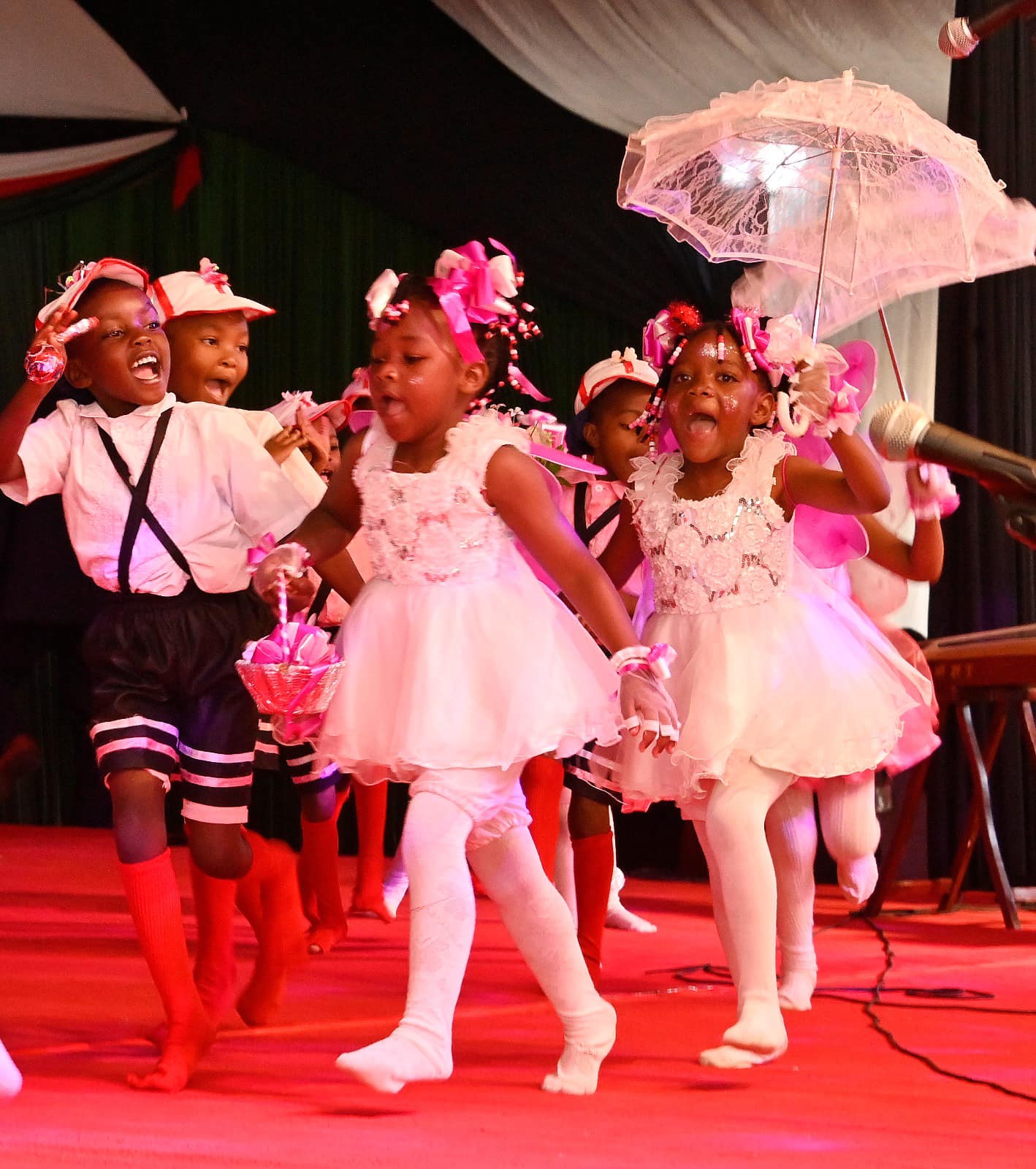
Through arts education, project-based learning, and performance opportunities, CBC allows learners to express creativity in ways that reveal hidden gifts.
The child constantly sketching in an exercise book may possess artistic abilities capable of shaping entire industries in the future.
Musical talent
Musical talent is another area where CBC holds enormous promise.
Kenya is blessed with rich musical traditions and growing creative industries. Yet countless gifted musicians have passed through schools without receiving adequate support or exposure.
Some possess extraordinary vocal abilities. Others demonstrate natural aptitude for instruments, composition, rhythm, or performance.
CBC’s emphasis on holistic development provides opportunities for these talents to be recognized and nurtured.
A learner’s participation in school music activities may be the first step toward a lifelong contribution to the cultural life of the nation.
Athletic excellence
Athletic talent perhaps provides the clearest example of why talent development matters.
Kenya’s global reputation in athletics demonstrates what can happen when talent is identified and nurtured effectively.
Yet talent extends far beyond long-distance running.
Learners may demonstrate exceptional abilities in football, volleyball, basketball, rugby, swimming, martial arts, and other sporting disciplines.
CBC encourages schools to view sports not merely as recreational activities but as legitimate avenues for personal development and achievement.
The next world champion may not necessarily be the learner with the highest mathematics score, but the one displaying extraordinary physical potential on the playing field.
Entrepreneurial and innovative minds
Equally important are entrepreneurial talents.
Some learners possess an unusual ability to identify opportunities, solve practical problems, persuade others, and generate innovative ideas.
Such abilities often emerge long before adulthood.
CBC’s emphasis on critical thinking, creativity, collaboration, and problem-solving creates an environment where entrepreneurial talents can thrive.
In a rapidly changing economy, societies need individuals who can create opportunities rather than merely seek them.
Closely related are technological and innovative talents.
Today’s learners are growing up in a digital environment where technological literacy is essential.
Some demonstrate exceptional curiosity about computers, coding, robotics, digital design, and technological systems.
Others display remarkable inventiveness in addressing practical challenges.
CBC’s focus on digital literacy and innovation provides opportunities for such talents to emerge.
The learner fascinated by gadgets today may become tomorrow’s inventor, software developer, engineer, or technological entrepreneur.
Communication and interpersonal skills
Communication talents also deserve recognition.
Some learners possess extraordinary abilities in speaking, storytelling, debating, persuasion, and interpersonal interaction.
Such talents are often evident from an early age.
Through presentations, discussions, debates, drama, and collaborative learning activities, CBC provides platforms for communication skills to develop.
Effective communication remains one of the most valuable human abilities regardless of profession, and learners gifted in this area deserve opportunities to refine their strengths.
Redefining success
Perhaps the greatest contribution of CBC is its attempt to redefine success.
For decades, educational success was narrowly associated with examination grades.
While academic achievement remains important, it represents only one dimension of human potential.
A truly effective education system should help learners identify their strengths, develop their competencies, nurture their values, and discover their talents.
Parents, teachers, and schools must therefore resist the temptation to focus exclusively on careers while neglecting talents.
Careers matter. They provide livelihoods and professional identity.
However, talents often provide purpose, fulfilment, innovation, creativity, and unique contributions to society.
In many cases, talents eventually shape careers rather than the other way around.
Unlocking the fullest potential of learners
As Kenya continues to implement CBC, perhaps we need to broaden our conversations.
Instead of asking only, “What career will this pathway lead to?” we should also ask, “What talent might this pathway unlock?”
The true success of CBC will not be measured solely by the number of doctors, lawyers, engineers, teachers, or accountants it produces.
It will also be measured by the musicians it discovers, the athletes it nurtures, the artists it empowers, the innovators it inspires, the leaders it develops, and the entrepreneurs it unleashes.
READ ALSO: An open letter to the MoE: No academic calendar is worth a child’s life
After all, education is not simply about preparing young people for jobs.
It is about helping them become the fullest version of themselves.
By Ashford Kimani
Ashford Kimani teaches English and Literature in Gatundu North Sub-county and serves as Dean of Studies.