Members of Parliament (MPs) have raised concerns over widespread non-compliance with trainer licensing requirements in Technical and Vocational Education and Training (TVET) institutions following examination of audit reports for the 2021/2022 to 2024/2025 financial years.
The concerns were flagged by the Public Investments Committee on Education and Governance during its scrutiny of Auditor-General’s reports on several institutions including Butula Technical and Vocational College, Khwisero Technical and Vocational College, Webuye West Technical and Vocational College, Tindiret Technical and Vocational College, Tinderet Integrated Technical Trainers College and Koshin Technical Training Institute.
Audit findings revealed that some institutions were operating with a significant number of unlicensed trainers contrary to requirements set by the Technical and Vocational Education and Training Authority (TVETA).
For instance, at Butula Technical and Vocational College, the Auditor-General’s report for the 2023/2024 financial year revealed significant gaps in compliance.
A review of trainers’ records showed that the college had a total of 33 trainers during the period under review but only seven trainer licences were availed for audit verification.
“This was contrary to Section 23(1) of the Technical and Vocational Education and Training Act, 2013, which requires any person intending to become a trainer in an institution to apply for licensing and registration by the board in accordance with the provisions of the Act,” the auditor noted, adding that “in the circumstances, management was in breach of the law.”
ALSO READ: Why teachers expect much more than pay issues from their unions
Why teachers expect much more than pay issues from their unions
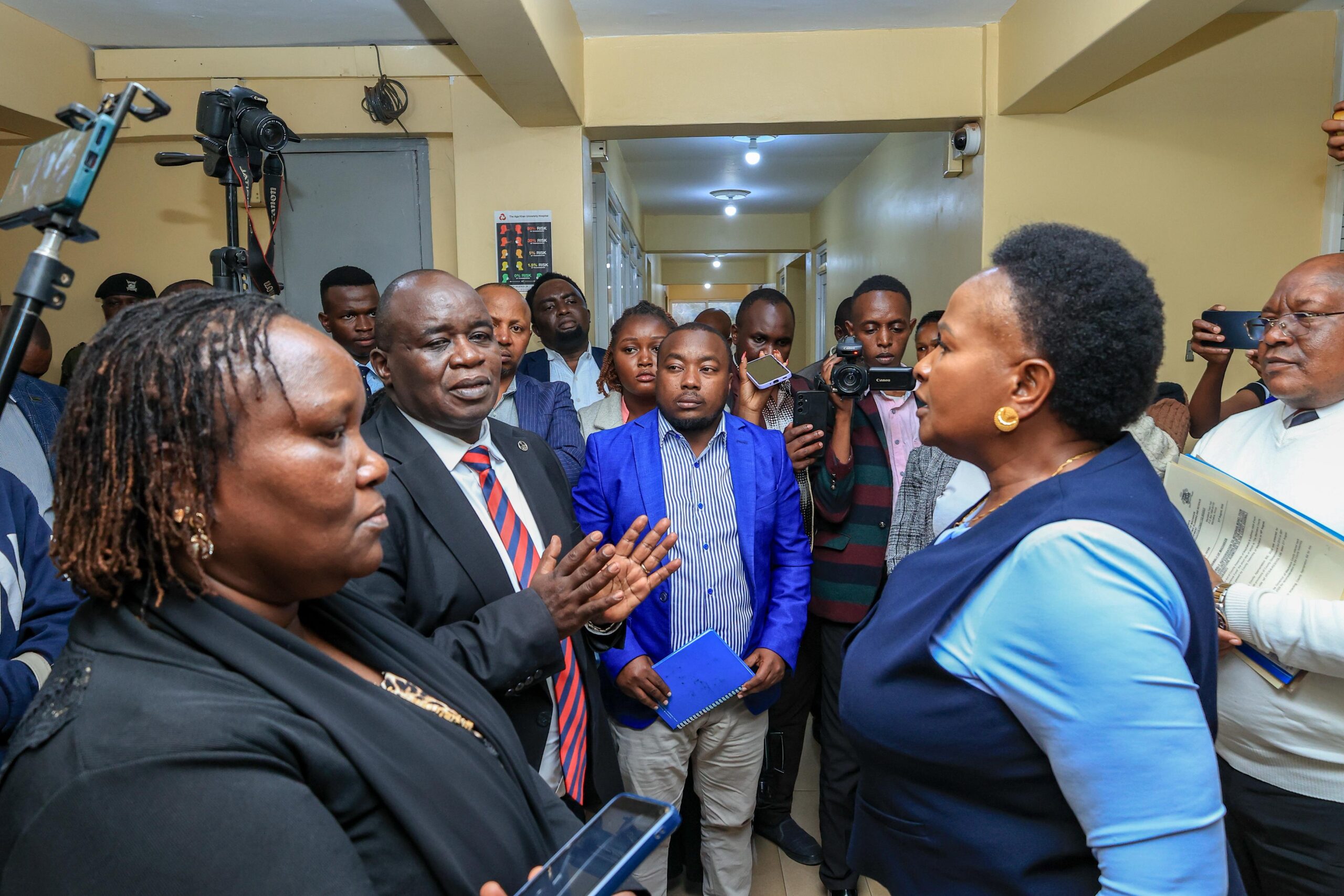
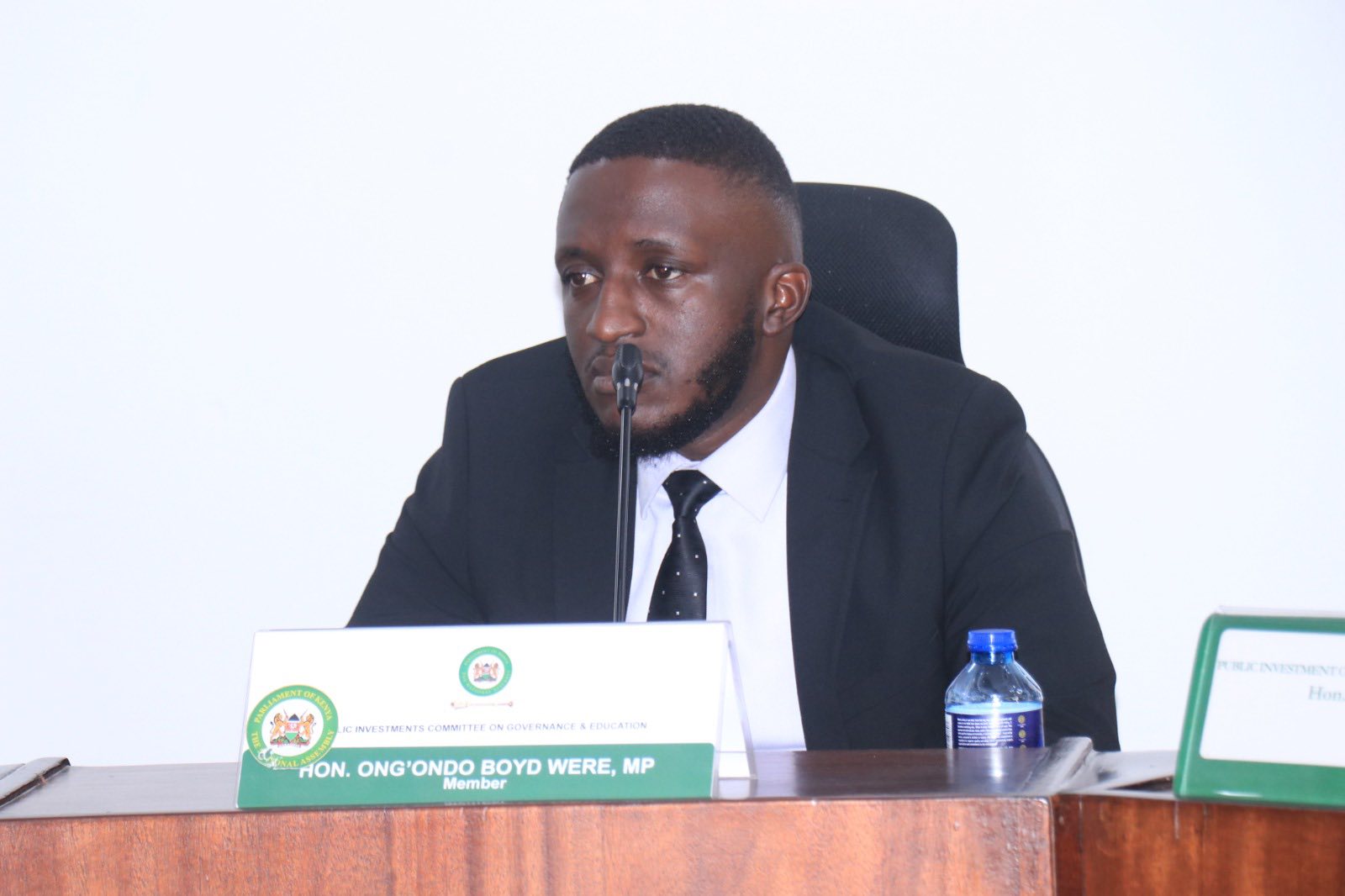
Lawmakers questioned the implications of the shortfall on the quality of training, with Committee Vice Chairman and Kasipul MP Boyd Were seeking clarity on the timeline for compliance.
“I would like to know, through the Chair, how long it will take for the rest to be licensed,” Were
In response, the Chief Principal of Butula TVC, Calistus Omilo, attributed the gap to evolving regulatory requirements noting that the number of licensed trainers has since risen to 14 out of 43.
He added that 12 more trainers have applied and their licences are being processed.
“The rest have enrolled at the Kenya School of TVET to undertake pedagogical training, which is a key requirement for registration and licensing by the TVET Authority,” he said.
Omilo explained that the regulator now requires all trainers to undergo pedagogical training before licensing, a condition many serving trainers did not meet at the time of their recruitment.
“Previously, individuals with technical qualifications were recruited directly, even through the Public Service Commission. Today, one must have a degree or a postgraduate diploma in education to qualify as a trainer. Until that is achieved, licensing cannot be granted,” he said.
Igembe Central MP Daniel Karitho questioned whether the situation pointed to a shortage of qualified trainers.
“Does it mean we do not have enough trainers? If they are enough, then we should have qualified personnel in our TVET institutions,” said Karitho.
ALSO READ:
Inside the tough TSC Regulation 20 that could redraw the teaching profession in Kenya
Narok Woman Representative Rebecca Tonkei, a member of the Departmental Committee on Education, pointed to structural challenges in recruitment.
She noted that principals have limited control over hiring which is largely handled by the Public Service Commission (PSC).
“The institutions do not employ trainers directly. The PSC recruits, sometimes bringing in technically qualified individuals who lack pedagogical training. We need a structured approach where trainers can undergo these teaching courses, possibly during holidays, in collaboration with TVETA,” she said.
She added that unless a sustainable framework is adopted, the issue is likely to persist in future audit reports.
Lungalunga MP Mangale Chiforomodo Munga called for better coordination between institutions, the PSC and TVETA.
He argued that recruitment criteria must explicitly require pedagogical qualifications, similar to the standards enforced by the Teachers Service Commission (TSC) in the teaching profession.
“There must be clarity from the start. If institutions request trainers, it should be clear that they must have undergone pedagogical training and be licensed before deployment,” he said.
Luanda MP Dick Maungu, who chairs the committee, acknowledged a legal gap that has contributed to the current situation noting that the PSC has historically deployed trainers without considering teaching qualifications.
He, however, pointed to ongoing legislative efforts to address the anomaly through the proposed Trainers Service Council Bill, which seeks to streamline the recruitment, certification and regulation of TVET trainers.
“There has been a lacuna in law where the PSC employs trainers without ensuring they have pedagogical training. The proposed Trainers Service Council will address these issues and bring order to the sector,” he said.
The committee emphasized the need for urgent reforms to ensure all trainers meet licensing requirements warning that failure to do so could undermine the government’s push to strengthen TVET education as a key pillar for skills development and job creation.
By Juma Ndigo
You can also follow our social media pages on Twitter: Education News KE and Facebook: Education News Newspaper for timely updates.
>>> Click here to stay up-to-date with trending regional stories
>>> Click here to read more informed opinions on the country’s education landscape