- The National Assembly has backed reforms seeking to formally integrate APBET institutions into Kenya’s basic education system.
- The Anthony Oluoch-sponsored Bill targets regulatory and funding gaps affecting learners in informal settlements and marginalised communities.
- MPs say recognition could expand government support while strengthening registration, oversight and representation of APBET institutions.
Members of the National Assembly have backed the Basic Education (Amendment) Bill, 2025, paving the way for the formal recognition and integration of Alternative Provision for Basic Education and Training (APBET) institutions into Kenya’s basic education system.
The proposed legislation, sponsored by Mathare MP Anthony Oluoch, seeks to bridge a longstanding funding and regulatory gap affecting thousands of learners, particularly children living in informal settlements and marginalised communities.
The Bill seeks to amend the Basic Education Act, 2013, by expressly including APBET schools within the definition of basic education and providing for their mapping, recognition and registration.
Moving the Bill for Second Reading, Oluoch said the reforms were aimed at giving effect to constitutional provisions guaranteeing equality, human dignity and the right to education under Articles 10, 27, 43 and 53.
Parliament’s official record confirms that Oluoch moved the Bill for Second Reading and argued that it was intended to align the Basic Education Act with constitutional guarantees, including human dignity, equity, social justice, inclusiveness and protection of marginalised persons.
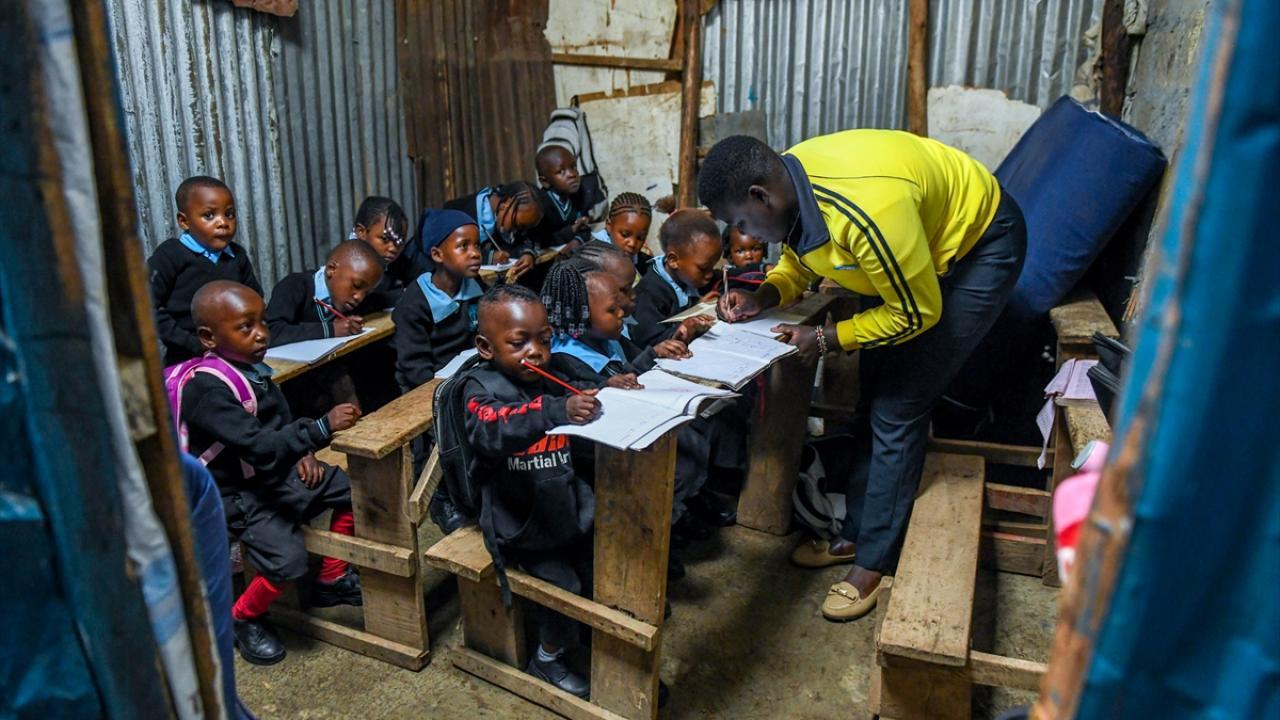
Kibra MP Peter Orero said APBET institutions have become a critical component of the education system in informal settlements, where they often outnumber public schools.
“In Kibra, there are about 300 of these schools, while public primary schools are only 11. Many students therefore end up in APBET schools,” Orero said.
He urged Parliament to approve the proposed reforms, arguing that formal recognition would enable government resources to reach learners who currently depend on the institutions for basic education.
“This is an opportunity to ensure that children in informal settlements can access education and that resources trickle down to them through recognition of their schools,” he said.
The significance of APBET institutions in areas underserved by conventional public schools has previously been acknowledged during parliamentary consideration of the Bill. Stakeholders told the National Assembly Education Committee that such institutions were filling education gaps in informal settlements where public-school provision remained inadequate.
Opening door to government support
Seme MP Dr James Nyikal said the lack of formal recognition had created a significant education funding deficit, with vulnerable learners bearing the brunt.
“Education is a basic right in our Constitution, yet the current system does not adequately recognise APBET. In some areas, there are more children in these schools than in formal institutions, yet they are excluded from funding,” Nyikal said.
The Bill proposes to bring APBET institutions within the definition of basic education institutions, potentially opening the door to increased public investment in infrastructure, learning materials and institutional oversight.
The actual Bill goes further in spelling out how APBET institutions would be incorporated into existing education structures.
It proposes representation of APBET schools on the National Education Board and County Education Boards, while giving County Education Boards responsibility for overseeing their operation and management. It also proposes provisions concerning funding and infrastructure support.
Under the proposed framework, county governments would maintain databases of APBET institutions, while registration provisions would be adjusted to accommodate alternative institutions and provide authorities with clearer information about schools operating outside the conventional system.
Recognition termed long overdue
Ruaraka MP Moses Kajwang’ supported the reforms, describing the formal recognition of APBET institutions as long overdue.
“It is unfortunate that it has taken this long to recognise vulnerable children in informal settlements and rural areas who lack access to education,” Kajwang’ said.
If enacted into law, the reforms could give thousands of learners in informal settlements greater access to government support while strengthening regulation, accountability and oversight of institutions that have for years provided education to children underserved by the formal school system.
The proposed changes could also provide policymakers with more reliable data on APBET institutions, allowing government to better plan for infrastructure, learning resources and other educational needs among vulnerable learners.
READ ALSO: Parents protest as Kisii schools send learners home over fee arrears
Parliament’s own explanation of the Bill says its principal objective is to fully embrace and mainstream APBET schools into Kenya’s formal education structures.
By Godfrey Wamalwa
Get more stories from our website: Education News
To write to us or offer feedback, you can reach us at: editor@educationnews.co.ke
You can also follow our social media pages on Twitter: Education News KE and Facebook: Education News Newspaper for timely updates.
>>> Click here to stay up-to-date with trending regional stories