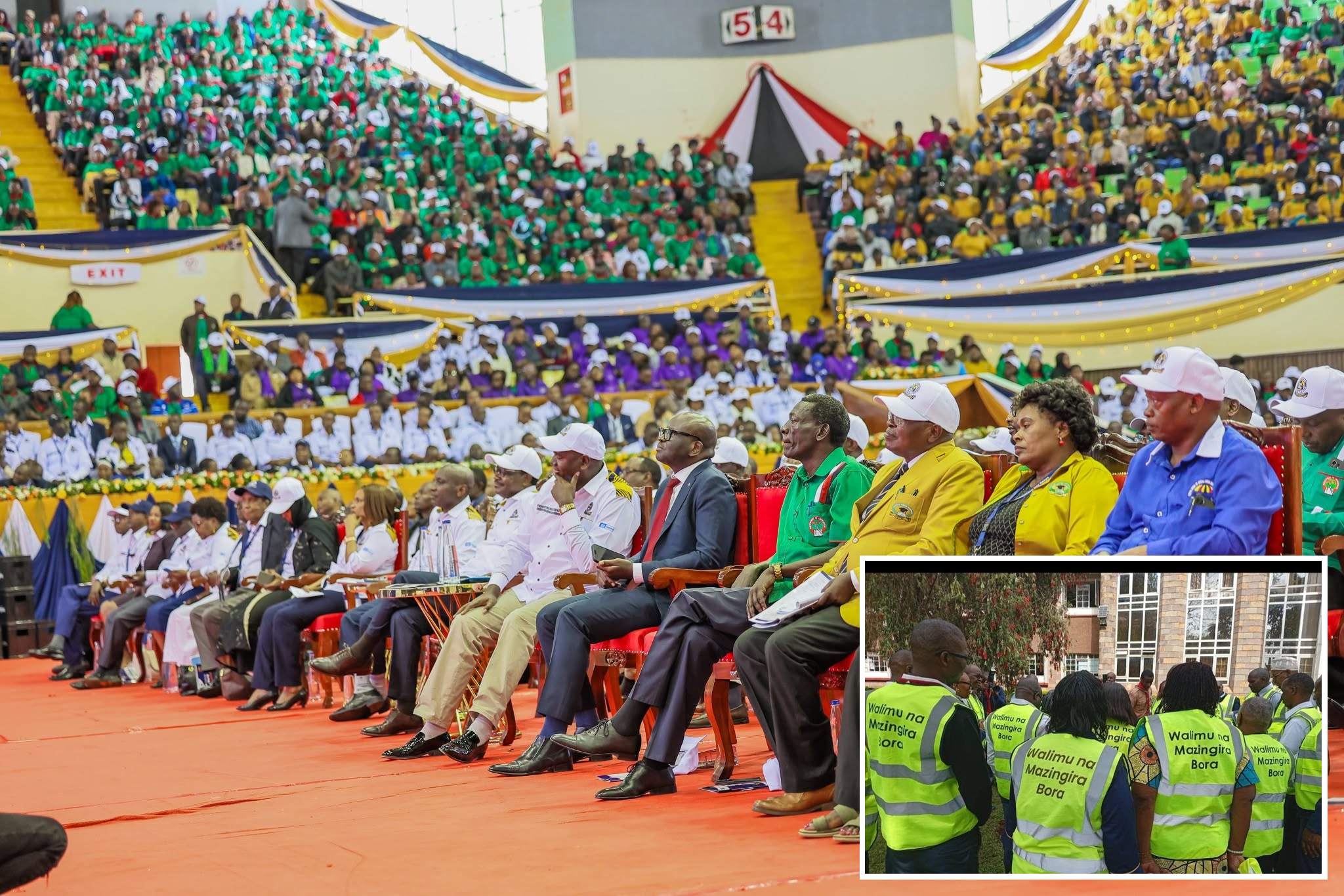
- KUPPET and Junior School teachers have opposed the proposed comprehensive school model, calling instead for Junior Schools to remain independent institutions.
- The union has argued that merging primary and junior schools under one structure could create leadership, resource allocation and management challenges.
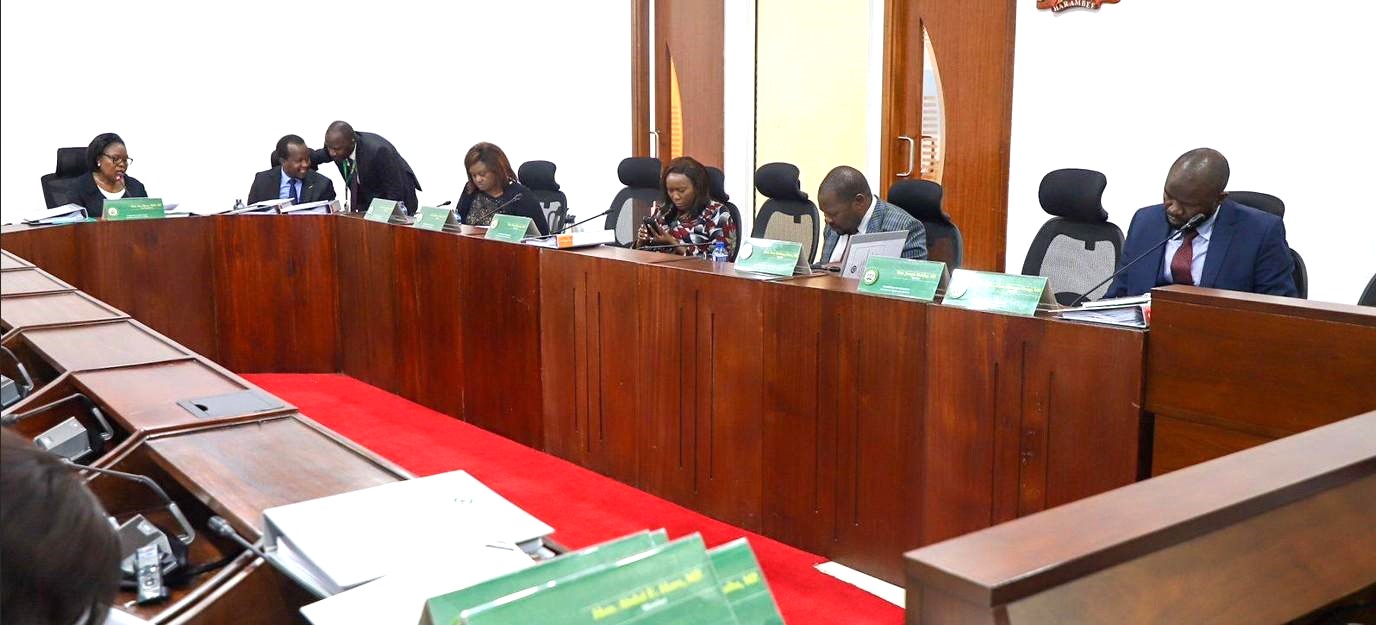
- The National Assembly Departmental Committee on Education, chaired by Julius Melly, is conducting public participation on the Basic Education Bill nationwide until September 25, 2026.
The Kenya Union of Post-Primary Education Teachers (KUPPET), backed by Junior School teachers, has opposed a proposed legal framework that would bring primary and junior schools under a single comprehensive school structure.
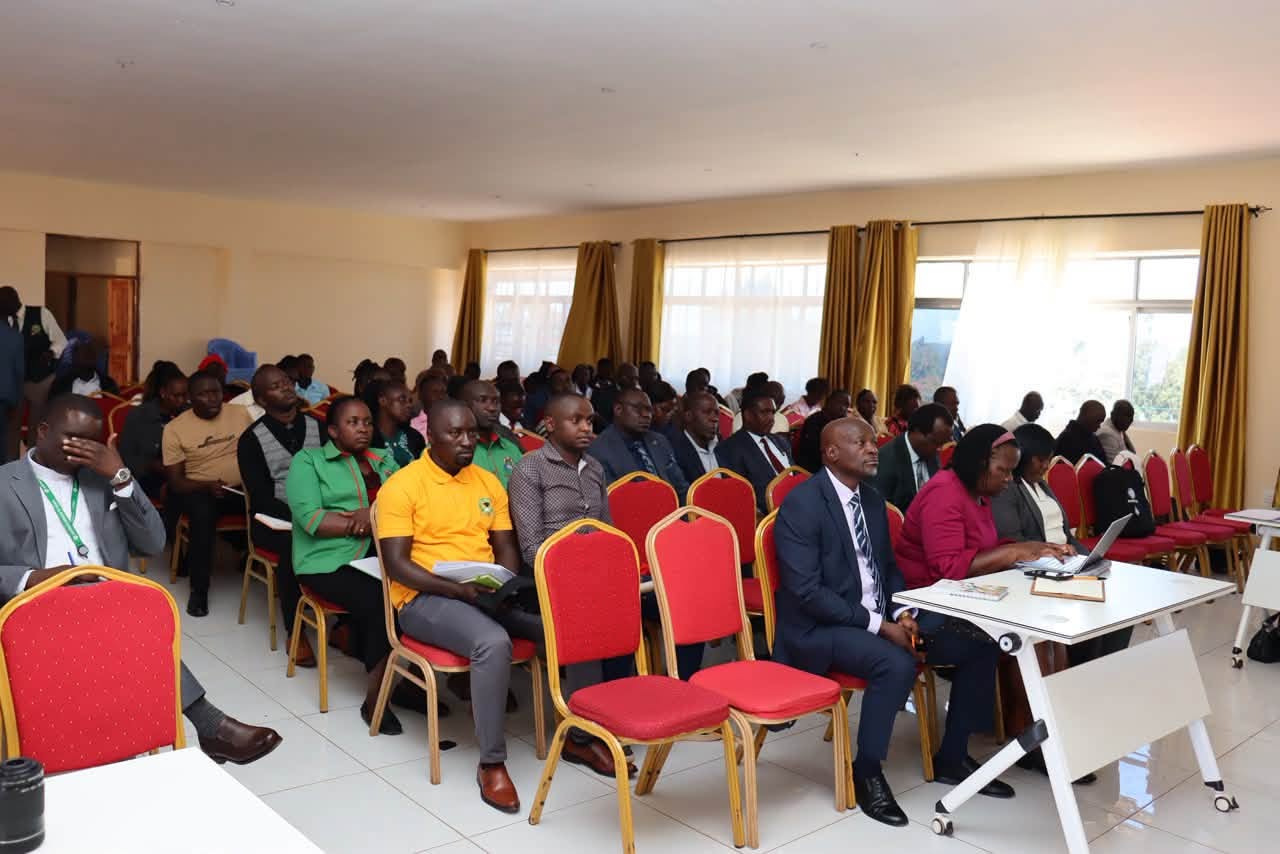
The union wants Junior Schools to be recognised as independent institutions, arguing that merging them with primary schools under one administrative structure could create additional challenges in leadership, resource allocation and day-to-day management. The position emerged during the ongoing public participation on proposed education laws being conducted by the National Assembly Departmental Committee on Education.
The exercise, chaired by Tinderet MP Julius Melly, is running from September 14 to 25, 2026, across various counties.
The proposed Basic Education Bill seeks to repeal and replace the existing Basic Education Act and provide a new legal framework for the management of basic education institutions. Under the comprehensive school model, primary and junior school learners would be accommodated within a unified school setting. The proposal is based on recommendations made by the Presidential Working Party on Education Reform, which proposed a comprehensive school system covering pre-primary to Junior School.
ALSO READ:
Research: Over 30 per cent of Homa Bay girls fail to complete secondary school
KUPPET and Junior School teachers, however, want the junior section to have a distinct institutional identity and leadership structure. Their argument is that Junior Schools have different academic and administrative requirements from primary schools and should therefore have dedicated management and resources.
The debate over the status of Junior Schools has been ongoing since their introduction under the Competency-Based Curriculum. Education authorities have previously said the model is intended to maximise the use of existing infrastructure and avoid the cost of establishing entirely new institutions. However, KUPPET has maintained that the current arrangement presents administrative and resource challenges that require a rethink.
The union’s latest position adds to growing stakeholder debate over the proposed education reforms, with teachers and education managers seeking changes to various provisions before the Bills are considered further by Parliament.
USIU: Masengeli’s dissertation has not cleared internal review, cannot proceed to defence
The public participation exercise is expected to give the committee an opportunity to collect views from teachers, school administrators, parents and other stakeholders before compiling its recommendations on the proposed legislation. The final outcome will determine whether the comprehensive school model is retained in the proposed law or amended in response to concerns raised during the nationwide consultations.
By Kithinji Njeru
Get more stories from our website: Education News
To write to us or offer feedback, you can reach us at: editor@educationnews.co.ke
You can also follow our social media pages on Twitter: Education News KE and Facebook: Education News Newspaper for timely updates.
>> Click here to stay up-to-date with trending regional stories