- A government payroll audit has uncovered suspected irregularities worth more than KSh6.2 billion across State departments.
- The review revealed possible ghost workers, duplicate salary payments, manipulated payroll records and weak internal controls.
- Authorities have ordered investigations, recovery of public funds and reforms to strengthen payroll management.
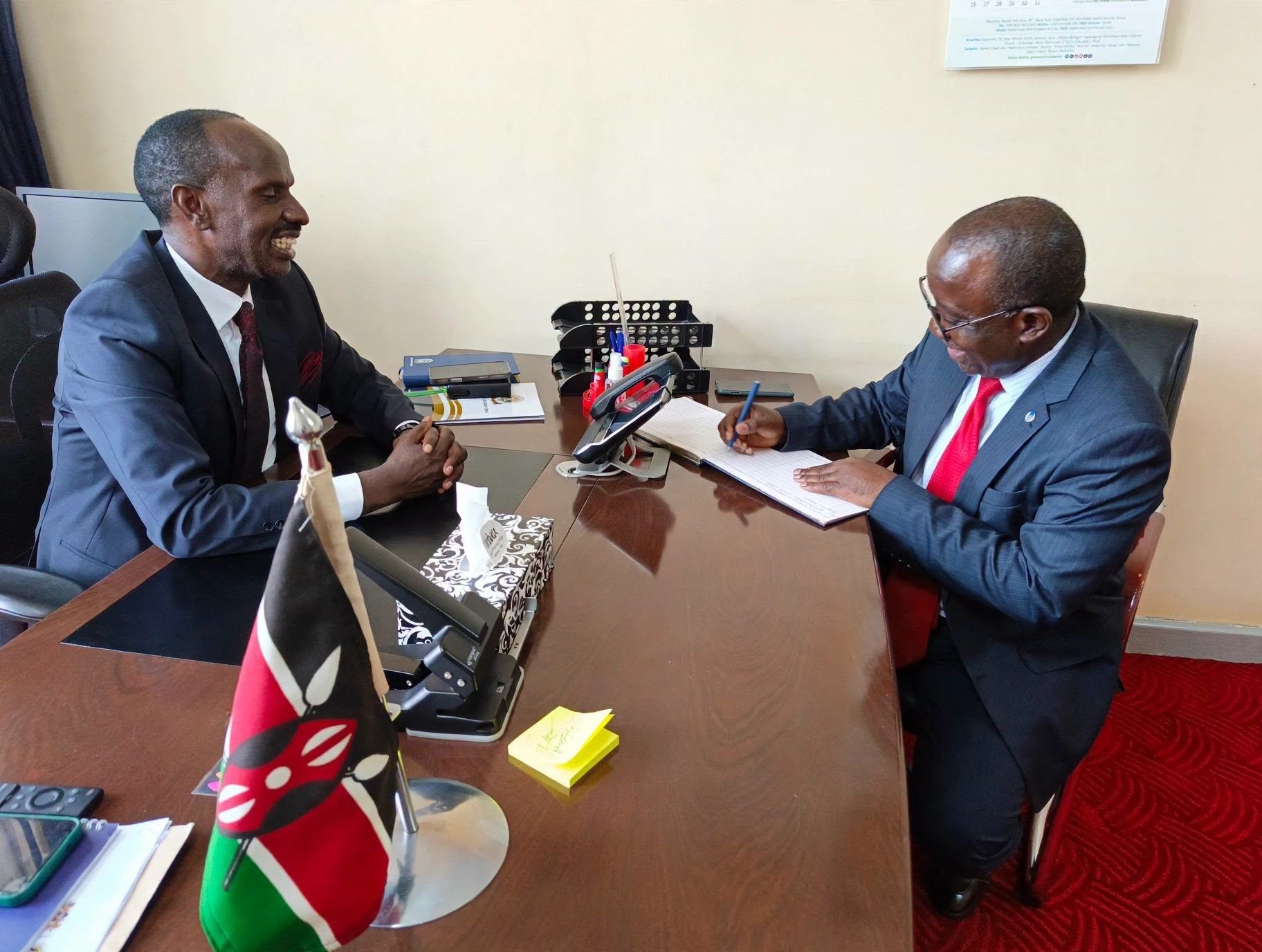
A comprehensive government payroll audit commissioned by the Ministry of Public Service, Human Capital Development and Special Programmes under Cabinet Secretary Geoffrey Ruku has uncovered suspected payroll irregularities amounting to more than KSh6.2 billion, exposing glaring weaknesses in Kenya’s public payroll management system and raising fresh concerns over fraud, ghost workers and the protection of taxpayers’ money.
The audit, which sampled payroll records across State departments, paints a picture of a payroll system riddled with data inconsistencies, weak internal controls and inadequate oversight.
The findings have since been referred for criminal investigations as the government seeks to recover public funds and prosecute those found responsible.
Among the most startling discoveries were payroll records indicating employees who were appointed before they were born and others who were employed before attaining the legal age of 18 years.
Auditors also found appointment dates that preceded employees’ birth dates, while some records contained impossible birth years, making it difficult to authenticate the identities of those listed on the government payroll.
The review further established that some officers appeared to have been posted to duty stations before officially joining the public service, while others had conflicting employment histories and incomplete personal records, exposing serious weaknesses in data management and record verification.
Ghost workers and duplicate payments
Equally alarming were cases of duplicate salary payments, with some employees allegedly receiving more than one salary for the same month without legal justification.
The audit also questioned billions of shillings paid as salary arrears, allowances and other benefits that lacked adequate supporting documentation or approval records.
Investigators further identified numerous cases in which multiple employees shared the same bank account—one of the strongest indicators of possible ghost-worker schemes or organised payroll fraud.
Such arrangements allow salaries intended for several employees to be deposited into a single account, making fraudulent withdrawals easier to conceal.
The audit also revealed duplicate national identity numbers, invalid or missing Kenya Revenue Authority (KRA) PINs, inconsistent statutory deductions, conflicting employee information and incomplete personnel files.
These anomalies significantly undermine confidence in the accuracy of payroll records and expose taxpayers to substantial financial losses.
One of the most disturbing findings was that more than 4.7 million payroll records had reportedly been modified without leaving audit trails.
In some cases, system users had privileges allowing them to edit their own payroll information, while others could alter employee records without independent authorisation or supervisory approval.
Such weaknesses compromise accountability and create opportunities for corruption.
Auditors also raised concerns over outdated payroll technologies, fragmented human resource databases and inadequate cybersecurity controls.
Weak password policies, limited system monitoring and insufficient user authentication increase the risk of unauthorised access, data manipulation and cyber-related financial crimes.
Calls for reforms
Experts argue that payroll fraud often thrives where employee records are not regularly verified against national identification databases, tax records, pension systems and bank account information.
They recommend continuous payroll cleansing, biometric verification of employees, periodic staff headcounts, automated audit trails and integration of payroll, human resource and financial management systems to eliminate duplicate or fictitious records.
The implications of the audit extend far beyond financial losses.
Every fraudulent salary, duplicate allowance or ghost worker diverts resources away from essential public services.
Billions of shillings lost through payroll fraud could otherwise finance the recruitment of teachers, healthcare workers and police officers, construct schools and hospitals, improve road infrastructure, expand access to clean water and strengthen social protection programmes.
Investigations underway
The revelations also highlight the importance of strong governance, ethical leadership and effective oversight within public institutions.
Transparent recruitment, rigorous employee verification and independent audits remain critical safeguards against abuse of public resources.
In response, the government has directed investigators to establish the full extent of the irregularities, recover any fraudulently paid public funds and prosecute all individuals found culpable.
Authorities have also announced plans to accelerate the migration of ministries, departments and agencies to a more secure Integrated Human Resource and Payroll System, strengthen internal controls, enhance cybersecurity and conduct comprehensive payroll verification across the public service.
As investigations continue, the payroll scandal is expected to become a major test of Kenya’s commitment to transparency, accountability and prudent public financial management.
READ ALSO: More than 21,000 junior schools to receive smart boards under new Govt digital learning plan
The success of the reforms will ultimately be measured not only by the recovery of lost funds but also by the government’s ability to permanently seal the loopholes that have enabled payroll fraud for years.
By Hillary Muhalya
You can also follow our social media pages on Twitter: Education News KE and Facebook: Education News Newspaper for timely updates.
>>> Click here to stay up-to-date with trending regional stories
>>> Click here to read more informed opinions on the country’s education landscape