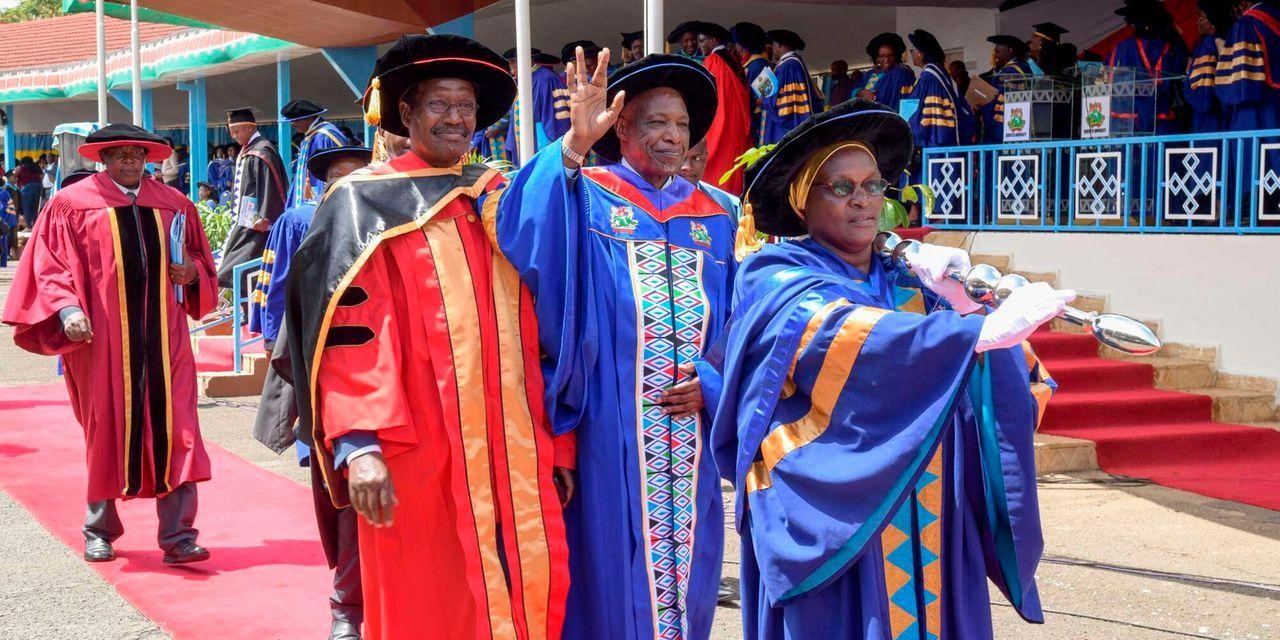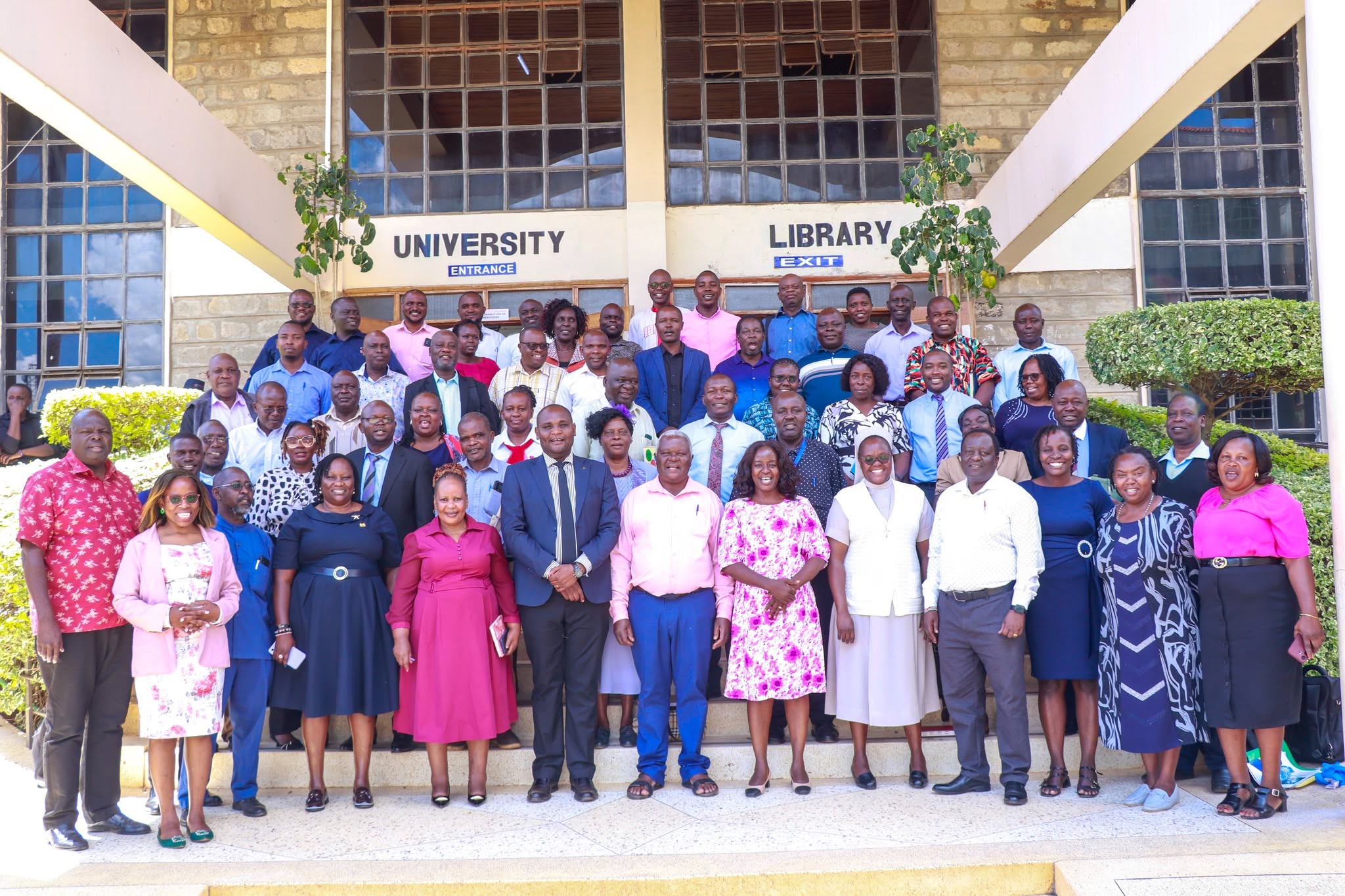
- Kibabii University has trained its academic staff on new teaching, assessment and curriculum development methods ahead of transitioning to CBC and CBET.
- Lecturers have been introduced to competency-based teaching approaches, including project work, simulations and workplace learning, ahead of admitting the first CBC/CBET cohort in 2029.
Kibabii University has trained its academic staff on new teaching methods as the institution prepares to transition from the 8-4-4 education system to Competency-Based Curriculum (CBC) and Competency-Based Education and Training (CBET).
The two-day training was held from August 31 to September 1, 2026, under the theme “Paradigm Shift in University Education: The CBET Perspective.” The training is part of the university’s preparations to admit its first group of CBC/CBET students in 2029.
The programme focused on new ways of teaching, learning, assessment and curriculum development. It also aimed to help lecturers understand how they can support students to develop practical skills and apply what they learn to real-life situations.
The training was officially opened by Acting Vice Chancellor Prof. Isaac Ipara Odeo, who urged the university community to prepare early for the changes and embrace new ways of teaching.
Prof. Odeo said universities should take the lead in developing academic programmes that respond to the needs of society instead of simply following programmes developed elsewhere. “As an institution, we should not be followers but thoughtful leaders,” he said.
ALSO READ:
Govt extends deadline for first-time Varsity, TVET funding application to September 21
The training was conducted by curriculum experts Dr. Elizabeth Khalili of Rongo University and Dr. Teresa Okoth of Masinde Muliro University of Science and Technology.
The lecturers were introduced to key areas such as curriculum design, identifying competencies, learner-centred teaching and competency-based assessment. They also explored practical teaching methods, including project work, case studies, demonstrations, simulations, problem-solving activities and workplace learning.
Under the new approach, lecturers will increasingly act as facilitators, mentors, coaches and assessors rather than simply delivering information to students.
ALSO READ: PS Ololtuaa, KUPPET officials meet amid standoff over teachers’ SHA medical cover
The university also highlighted the need for stronger partnerships with industries to provide students with practical experience and help universities design courses that match job market needs. However, participants noted that the transition could face challenges, including limited resources, inadequate infrastructure, large student numbers and the need for reliable assessment tools. The university said early preparation will be important in ensuring a smooth transition.
By Bernard Magada
Get more stories from our website: Education News
To write to us or offer feedback, you can reach us at: editor@educationnews.co.ke
You can also follow our social media pages on Twitter: Education News KE and Facebook: Education News Newspaper for timely updates.
>>> Click here to stay up-to-date with trending regional stories