- Kenyan student Tony Komen says adjusting to life in Canada involved many unfamiliar everyday challenges.
- His experience highlights loneliness, job searches, transport difficulties and pressure behind studying abroad.
He advises students to remain patient as unfamiliar routines gradually become manageable with time.
For many Kenyan students, the Canada dream begins with an admission letter, a visa and the excitement of boarding a plane. But once the excitement fades and the aircraft lands, a very different reality can begin: you have to learn how to live again.
That is the experience Kenyan student Tony Komen has shared, offering a glimpse into the less glamorous side of studying abroad.
In a Facebook post shared on September 10, 2026, Komen recalled how his early months in Canada were filled with unfamiliar challenges — from figuring out public transport and finding places to shop to understanding the education system, making friends and searching for employment.
The difficulties were not necessarily dramatic.
They were ordinary.
And that was precisely what made them exhausting.
At home in Kenya, catching public transport, buying groceries, finding a place to eat or meeting people may require little conscious thought. In a new country, however, even simple activities can become problems that demand research, planning and patience.
For Komen, the experience was therefore less about confronting one huge obstacle and more about dealing with dozens of small uncertainties at the same time.
The part of studying abroad social media rarely shows
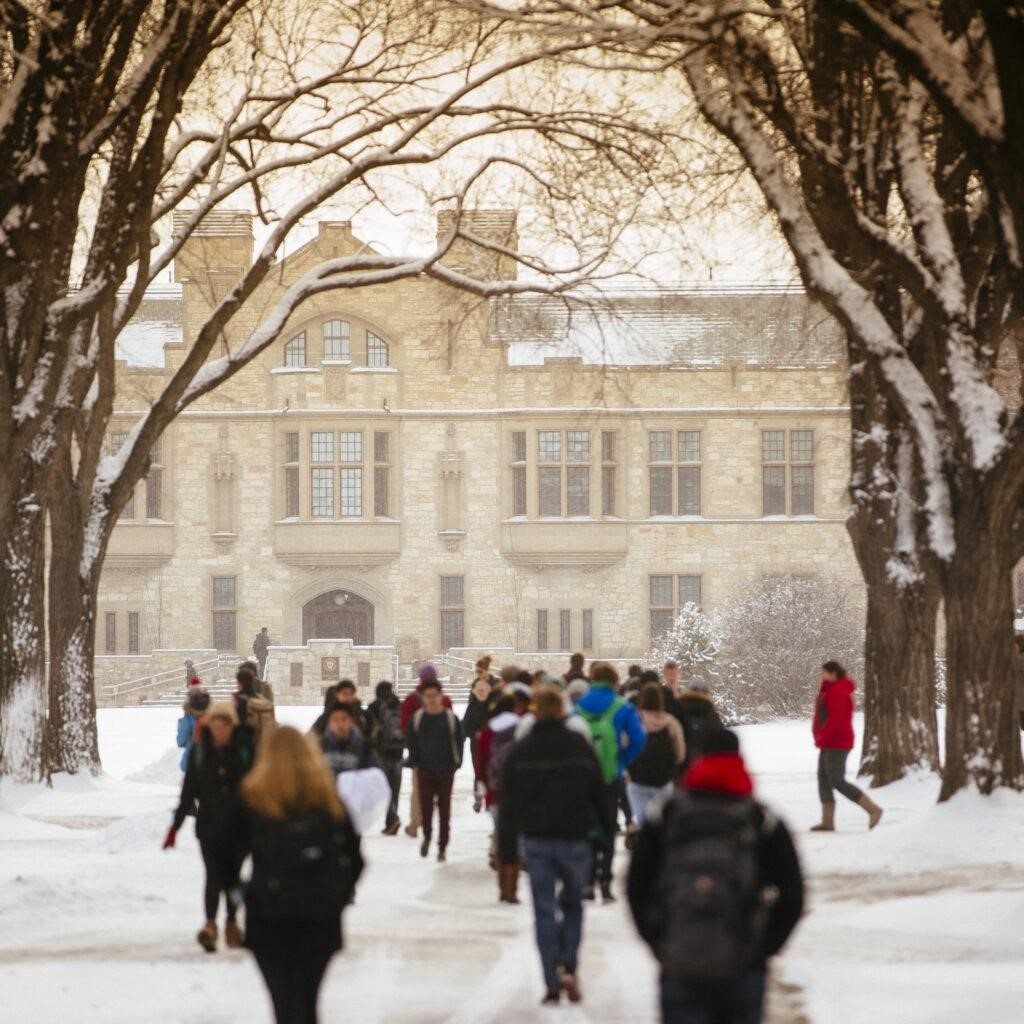
The international student dream is often presented through carefully selected images: modern campuses, graduation gowns, snowy landscapes, new friendships and photographs taken in attractive cities.
What is rarely shown is the adjustment period.
There can be loneliness.
There can be financial pressure.
There can be uncertainty about employment.
There can be moments when a student wonders whether everyone else has figured life out except them.
For Kenyan students, the cultural adjustment can be particularly significant.
The weather may be unfamiliar. Public transportation works differently. Housing can be expensive. Social interactions may follow different patterns. Academic expectations can differ from what students experienced in Kenya.
Even understanding where to buy affordable food or how to navigate a city can become part of the learning process.
Then there is the question of employment.
For students who depend partly on income from work to meet living expenses, the search for a job can become another source of pressure. Applications may produce rejection after rejection, while rent, food, transport and other expenses continue.
Students therefore have to strike a difficult balance between academic performance, financial survival and personal wellbeing.
But Komen’s experience carries an important message: the difficult beginning does not necessarily become the permanent reality.
With time, unfamiliar surroundings begin to acquire meaning.
The confusing bus routes become familiar. The neighbourhood becomes recognisable. Shopping becomes routine. Classmates become friends. The city that once seemed enormous gradually begins to feel like home.
That transformation rarely happens overnight.
It happens through repetition.
It happens when a student makes mistakes, learns from them and tries again.
It happens when they develop a routine and discover people they can trust.
Komen’s advice to Kenyan students facing the same transition is therefore simple: be patient with yourself.
Not everybody adjusts at the same speed.
One student may find employment quickly while another takes longer. One may build friendships within weeks while another struggles with loneliness. One may immediately feel comfortable in the new environment while another may spend months trying to understand the culture.
Comparing these journeys can create unnecessary anxiety.
The danger of social-media comparison
There is another challenge facing today’s international students: the pressure to appear successful.
A student may post photographs from a Canadian university while privately struggling to pay bills.
Another may post a picture enjoying winter while experiencing intense homesickness.
Someone may announce a new job without mentioning the months of applications and rejection that preceded it.
This creates an illusion that everyone abroad is succeeding effortlessly.
They are not.
International education can be rewarding, but it also demands resilience, independence and realistic preparation.
That is why families preparing their children for studies abroad should look beyond tuition fees and admission requirements.
Students need practical preparation for transport, accommodation, food, budgeting, employment rules, academic expectations, cultural differences and emotional adjustment.
They also need to know where to seek legitimate support when difficulties arise.
Parents, meanwhile, should understand that an overseas student may need encouragement rather than constant pressure to demonstrate success.
The bigger lesson for Kenyans
Komen’s story is ultimately bigger than Canada.
It is about what happens whenever a young person leaves a familiar environment and is forced to rebuild their daily life somewhere else.
The same experience can occur in the United Kingdom, the United States, Australia, Germany or any other country attracting Kenyan students and workers.
Going abroad can open enormous opportunities.
But opportunity does not eliminate struggle.
A foreign country does not automatically provide instant financial security, friendship, employment or happiness.
Those things often have to be built.
For students preparing to leave Kenya, the best mindset may therefore be to abandon the expectation that everything will immediately be perfect.
Carry the ambition.
Carry the qualifications.
Carry the courage.
But also carry patience.
Because sometimes the hardest part of studying abroad is not passing the examinations.
It is learning how to navigate an entirely new life.
READ ALSO: Form Three student collapses, dies while returning to Ebusiloli Senior School
And as Komen’s experience shows, what initially feels like survival can, with time, become ordinary life.
By Hillary Muhalya
Get more stories from our website: Education News
To write to us or offer feedback, you can reach us at: editor@educationnews.co.ke
You can also follow our social media pages on Twitter: Education News KE and Facebook: Education News Newspaper for timely updates.
>> Click here to stay up-to-date with trending regional stories