- Kenya recorded low scores in science, mathematics and reading in the latest global PISA assessment.
- Only nine per cent of Kenyan learners attained minimum mathematics proficiency, compared with 65 per cent across OECD countries.
- The results raise questions about translating classroom discipline and teacher support into stronger practical learning outcomes.
Kenya’s performance in the latest international assessment of 15-year-old learners has raised fresh concerns over the quality of learning and the ability of the country’s education system to equip students with practical knowledge and problem-solving skills.
The Organisation for Economic Co-operation and Development (OECD), which released the 2025 Programme for International Student Assessment (PISA) results on September 8, placed Kenya near the bottom of participating countries and economies in science, mathematics and reading.
PISA assesses how well 15-year-old learners can apply knowledge and skills to real-life situations, with the 2025 assessment involving more than 760,000 students representing about 33 million learners across 91 countries and economies. In Kenya, 6,460 students from 245 schools took part.
Kenya posted an average score of 335 points in science, ranking 88th out of 90 participating countries and economies.
In mathematics, the country recorded 326 points, ranking 87th out of 89. In reading, Kenya scored 320 points, ranking 87th out of 89.
Majority below minimum proficiency
The results point to significant challenges in foundational learning. Only nine per cent of Kenyan students attained at least Level 2 proficiency in mathematics, compared with an OECD average of 65 per cent. In reading, only 11 per cent attained Level 2 or higher, against an OECD average of 69 per cent.
Science performance was similarly worrying, with 84 per cent of Kenyan learners performing below Level 2. Only 16 per cent attained Level 2 or higher, compared with an OECD average of 74 per cent.
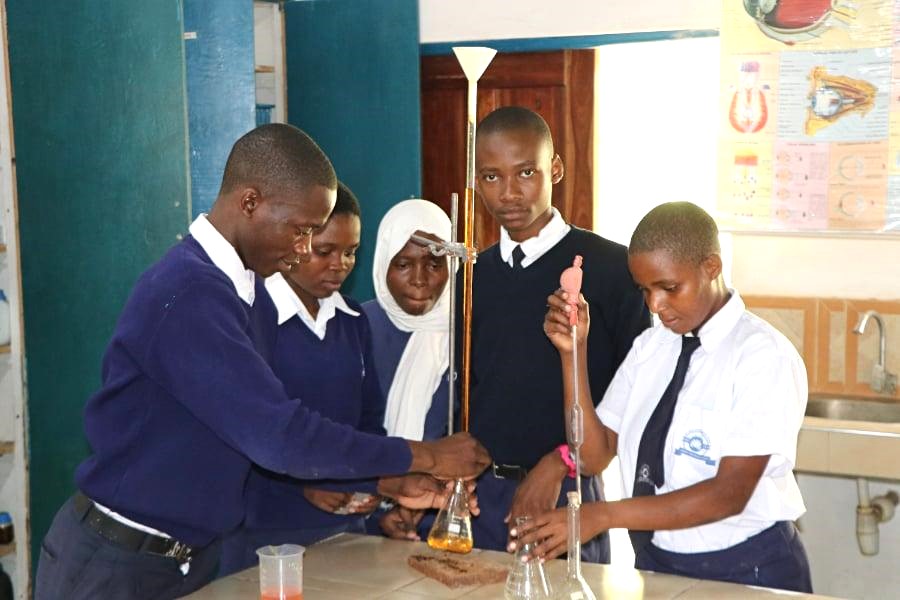
The assessment is significant because PISA goes beyond testing whether learners can recall information. It examines their ability to interpret information, think critically, apply concepts and solve problems in unfamiliar situations.
However, the assessment presents an interesting contrast in Kenya’s education system.
Despite the weak academic outcomes, Kenya ranked ninth out of 82 countries and economies on the disciplinary climate index in school science.
The OECD data also show relatively strong reports of teacher support. Seventy-five per cent of Kenyan students said their science teacher shows an interest in every student’s learning, while 81 per cent said teachers continue teaching until students understand. Another 82 per cent said teachers provide extra help when needed.
The findings therefore raise an important question for education stakeholders: why is a relatively orderly classroom environment not translating into stronger learning outcomes?
The answer is unlikely to lie in classroom discipline alone. While an orderly learning environment is important, effective education also depends on the quality of instruction, learning resources, teacher support, student engagement, attendance and the ability of learners to apply knowledge.
Kenya also faces challenges in school resources, with more than half of students attending schools whose principals reported that shortages of teaching staff or physical infrastructure hinder the provision of instruction.
The results come at a critical period for Kenya as the country continues implementing Competency-Based Education reforms, which place greater emphasis on skills, competencies, creativity, critical thinking and practical application of knowledge.
The PISA findings could provide an opportunity for the government, teachers, parents and other education stakeholders to examine whether classroom practices are producing the competencies envisaged under the new education system.
For Kenya, the challenge is no longer simply ensuring that learners attend school or maintain discipline in classrooms. The bigger question is whether they are leaving those classrooms with the ability to understand, analyse and apply what they have been taught.
READ ALSO: Literacy Crisis: 35% of Grade Six learners cannot read, report reveals
The latest results provide a stark reminder that a quiet classroom is not necessarily a successful classroom. The ultimate measure of education must be what learners can understand, create and do with the knowledge they acquire.
By Kimwele Mutuku
Get more stories from our website: Education News
To write to us or offer feedback, you can reach us at: editor@educationnews.co.ke
You can also follow our social media pages on Twitter: Education News KE and Facebook: Education News Newspaper for timely updates.
>> Click here to stay up-to-date with trending regional stories