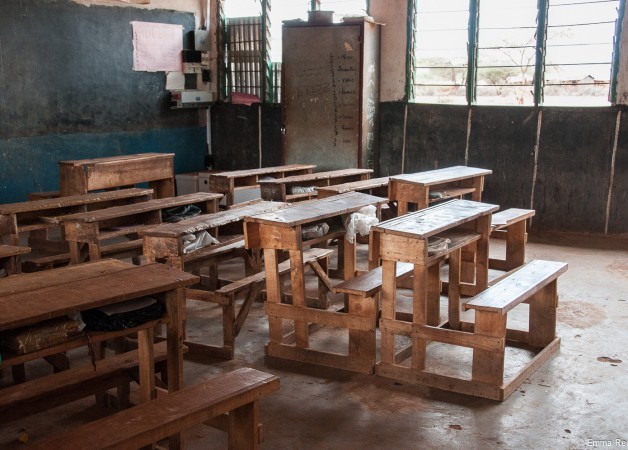
More than two years after the Presidential Working Party on Education Reform (PWPER) recommended placing Junior Schools inside existing primary schools, the State Department for Basic Education has said the decision created a fresh infrastructure crisis in schools that were already struggling to cope.
The admission comes through the government’s revised infrastructure guidelines for basic education, which state that infrastructure development has, to a large extent, not kept pace with growth in enrolment since the country introduced Free Primary Education in 2003 and Free Day Secondary School Education in 2008.
The picture is clear. Placing Junior School inside existing primary schools, alongside the rollout of Competency-Based Education (CBC) in 2017 and the push for 100 per cent transition from primary to secondary education, created a fresh demand for buildings and facilities in schools that had no room to absorb it. The guidelines go further, stating that the lack of any guiding framework over those years hurt standards and quality in school construction across the country.
ALSO READ:
That means thousands of schools have been putting up classrooms, laboratories and toilets without any national standard to follow, while enrolment kept rising and policy kept sending more learners into already full campuses.
The guidelines, developed under the World Bank-funded Secondary Education Equity and Quality Improvement Program (SEEQIP), now seek to fix that gap. They cover classrooms, Integrated Learning Resource Centres (ILRCs), laboratories, Water Sanitation and Hygiene (WASH) facilities, dormitories, staff housing and Educational Assessment and Resource Centers (EARCs) in schools ranging from pre-primary to Teacher Training Colleges (TTCs).
The National Education Sector Strategic Plan II (NESSP II) 2023 to 2027, cited in the guidelines, spells out the backlog more plainly, pointing to the need for more classrooms, science and Information Communication Technology (ICT) laboratories, libraries and equipment for the different pathways under the new curriculum.
By Benedict Aoya
You can also follow our social media pages on Twitter: Education News KE and Facebook: Education News Newspaper for timely updates.
>>> Click here to stay up-to-date with trending regional stories
>>> Click here to read more informed opinions on the country’s education landscape
>>> Click here to stay ahead with the latest national news.