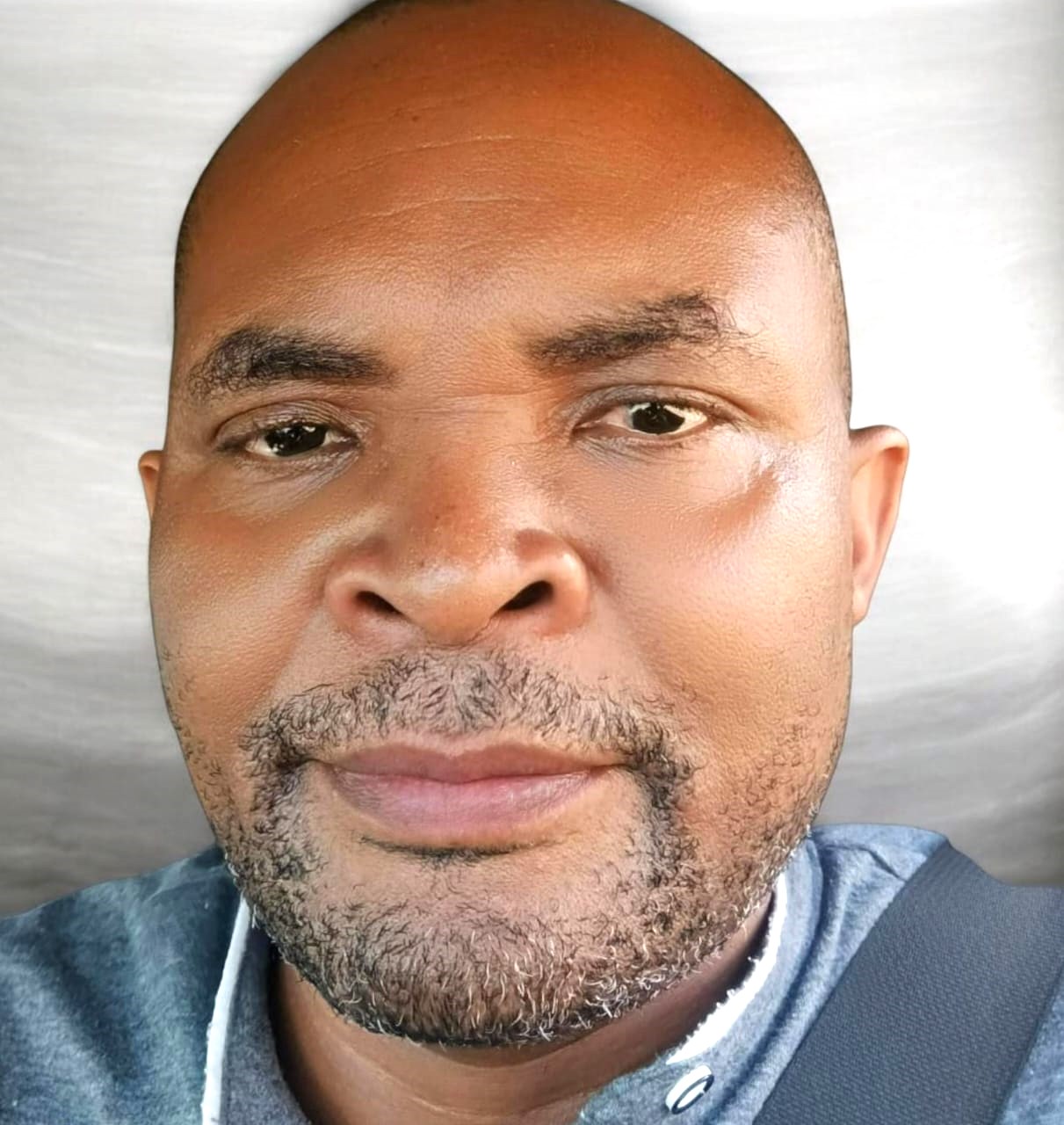
- Ashford Kimani warns that declining book-reading habits could undermine the future of education.
- He says overreliance on summaries, videos and AI risks weakening learners’ critical thinking.
- Ashford urges schools, parents and universities to rebuild a strong culture of deep reading.
A quiet but significant crisis is unfolding in education. Across the world, college professors are raising the alarm that many students are no longer reading entire books. Instead, they rely on summaries, excerpts, videos, artificial intelligence tools and social media posts to understand texts that once demanded hours of careful reading. While technology has made information more accessible than ever before, it has also made deep reading less common.
This trend should concern every educator, parent and policymaker. The problem is not merely that students are reading fewer books. It is that they are gradually losing the ability to concentrate, think critically and engage with complex ideas over an extended period. Reading a complete book is more than an academic exercise; it is a discipline that shapes the mind.
In many schools today, learners have become accustomed to shortcuts. Study guides replace novels. Online summaries substitute for chapters. Video explainers stand in for original texts. With the rapid rise of artificial intelligence, students can now generate chapter summaries, analyses and even essays within seconds. While these technologies have legitimate educational uses, they become harmful when they replace rather than complement reading.
Deep reading develops critical thinking
The consequences are already visible in classrooms. Lecturers report that students struggle to follow lengthy arguments, analyze evidence or sustain attention during discussions. Many are uncomfortable reading more than a few pages at a time. Some begin books enthusiastically but abandon them halfway through. Others attend literature classes without ever having read the prescribed texts in full.
This should not surprise us. Reading, like any other skill, develops through regular practice. A learner who rarely reads complete books cannot suddenly become an accomplished critical thinker at university. Deep reading builds vocabulary, improves comprehension, strengthens memory and expands imagination. It also cultivates empathy by allowing readers to experience different cultures, perspectives and emotions through the lives of others.
The implications for Kenya are equally serious. The Competency-Based Education (CBE) curriculum seeks to nurture learners who can communicate effectively, solve problems, collaborate and think creatively. These competencies cannot flourish if learners are unwilling or unable to engage with substantial texts. Whether one studies literature, history, science, law, medicine or engineering, success depends on the ability to read carefully, interpret information accurately and evaluate competing ideas.
English Literature provides perhaps the clearest example. Appreciating a novel such as The River Between, The Pearl or A Doll’s House requires more than reading a synopsis. Themes develop gradually. Characters evolve over time. Symbolism, irony and conflict emerge through sustained engagement with the text. Learners who depend solely on summaries may memorize examination points, but they miss the richness and complexity that great literature offers.
Parents and teachers have a role
Parents also have an important role to play. The habit of reading is rarely developed in school alone. Homes where books are available, where parents read for pleasure and where children are encouraged to discuss what they read often produce lifelong readers. Unfortunately, many homes have become dominated by television screens, smartphones and endless streams of digital entertainment. The competition for a child’s attention has never been greater.
Teachers, too, must rethink how they cultivate reading habits. Assigning books is not enough. Learners need guidance on how to approach long texts, organize reading schedules, annotate important ideas and reflect on what they have read. Classroom discussions, reading clubs, book reviews and library programs can make reading more engaging and meaningful. Schools should celebrate readers with the same enthusiasm they celebrate athletes and performers.
Artificial intelligence deserves special mention. AI is an extraordinary educational tool when used responsibly. It can explain difficult concepts, provide revision questions, clarify vocabulary and support personalized learning. However, AI should never replace the intellectual effort required to wrestle with a book. Education is not simply about obtaining answers; it is about developing the habits of mind that enable learners to ask better questions.
Universities should also resist the temptation to lower academic expectations simply because students struggle with reading. Reducing reading lists or replacing books with short extracts may provide temporary relief, but it risks weakening graduates’ intellectual capacity. Instead, institutions should invest in reading support programs that help students rebuild the stamina needed for sustained reading.
Technology should complement reading
The future of education depends not only on new technologies but also on preserving timeless habits that nurture thoughtful citizens. Books remain among humanity’s greatest inventions. They challenge assumptions, deepen understanding and connect generations through ideas. A society that stops reading books risks becoming one that values speed over wisdom, convenience over understanding and information over knowledge.
READ ALSO: Beyond nostalgia: Why every school needs a strong alumni movement
The solution is not to reject technology but to restore balance. Students should embrace digital tools while remembering that no summary, chatbot or video can fully replace the transformative experience of reading an entire book. If we want future generations to become informed professionals, responsible citizens and lifelong learners, we must help them rediscover the simple yet powerful habit of reading from the first page to the last.
By Ashford Kimani
Ashford is a teacher of English and Literature who writes on education and social affairs.
You can also follow our social media pages on Twitter: Education News KE and Facebook: Education News Newspaper for timely updates.
>>> Click here to stay up-to-date with trending regional stories
>>> Click here to read more informed opinions on the country’s education landscape