- Kenya, Uganda and Tanzania have adopted distinct development strategies in their 2026/27 budgets, with education playing varying roles.
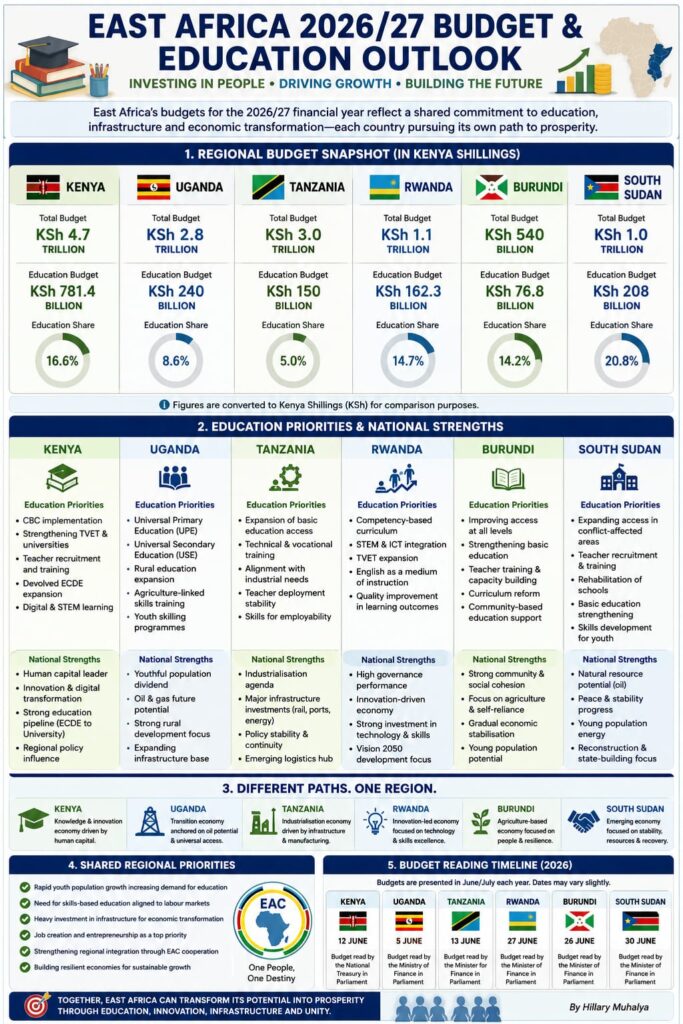
- Kenya leads East Africa in education financing, allocating about KSh 781.4 billion to the sector.
- While Uganda focuses on universal access and Tanzania prioritises industrialisation, all three countries view education as central to long-term economic growth.
By Hillary Muhalya
The 2026/27 financial year across East Africa reflects a region steadily shaping its future through three distinct but increasingly interconnected development models.
Kenya, Uganda and Tanzania continue to prioritise education, infrastructure and economic transformation, but each country does so in line with its fiscal capacity, demographic pressures and long-term strategic vision.
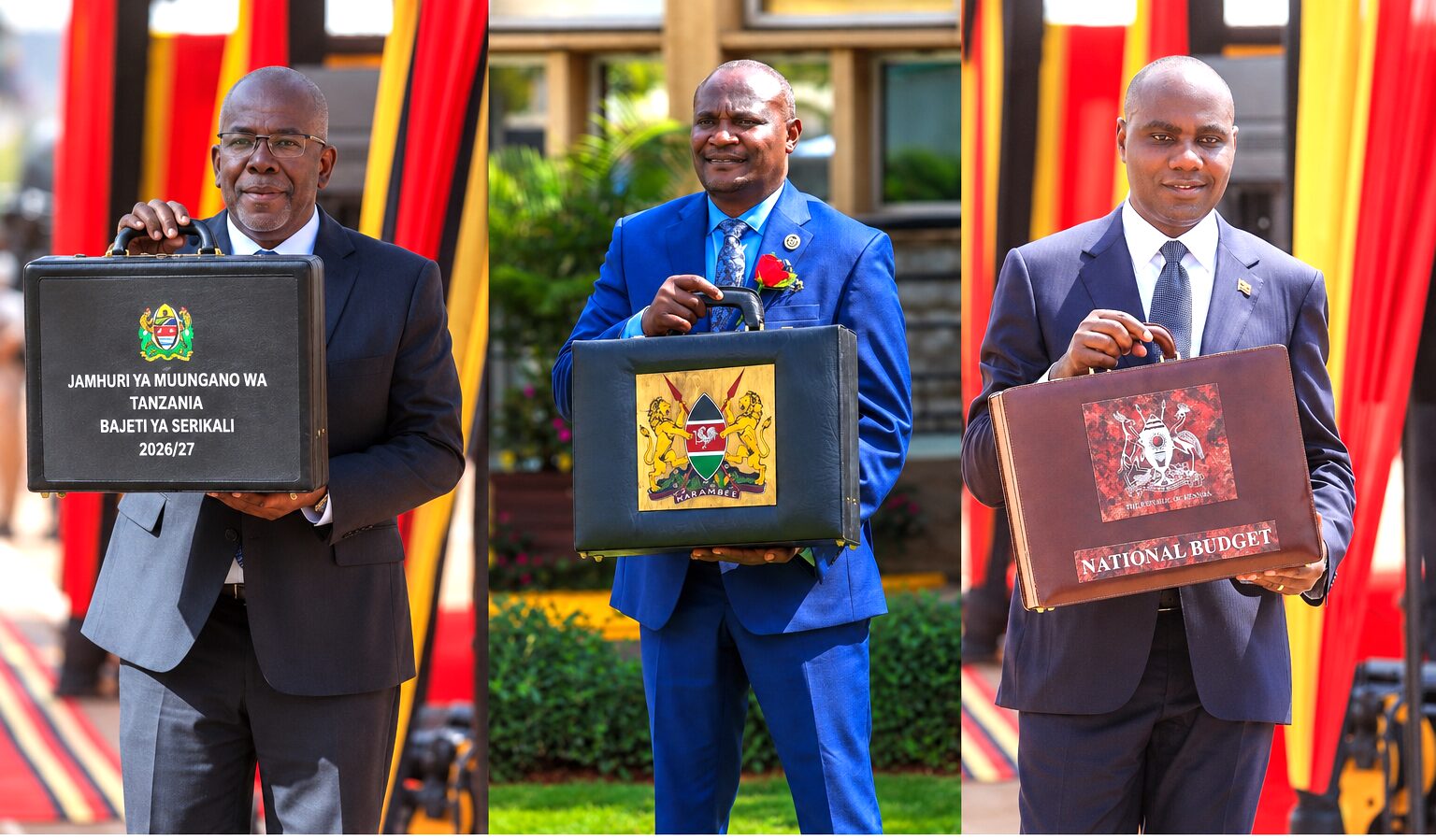
When converted into Kenya Shillings for comparison, Kenya leads the region with a budget of about KSh 4.7 trillion, followed by Tanzania at approximately KSh 3.0 trillion and Uganda at around KSh 2.8 trillion.
Within these national budgets, education remains a central sector, though the level of investment and policy emphasis varies significantly across the three economies.
Kenya Leads in Education Financing
Kenya emerges as the regional leader in education financing and human capital development.
The country allocates approximately KSh 781.4 billion to education, representing about 16.6 per cent of its total budget—the highest both in absolute terms and proportional share across East Africa.
This strong commitment reflects Kenya’s long-standing policy direction of treating education as a key driver of national transformation.
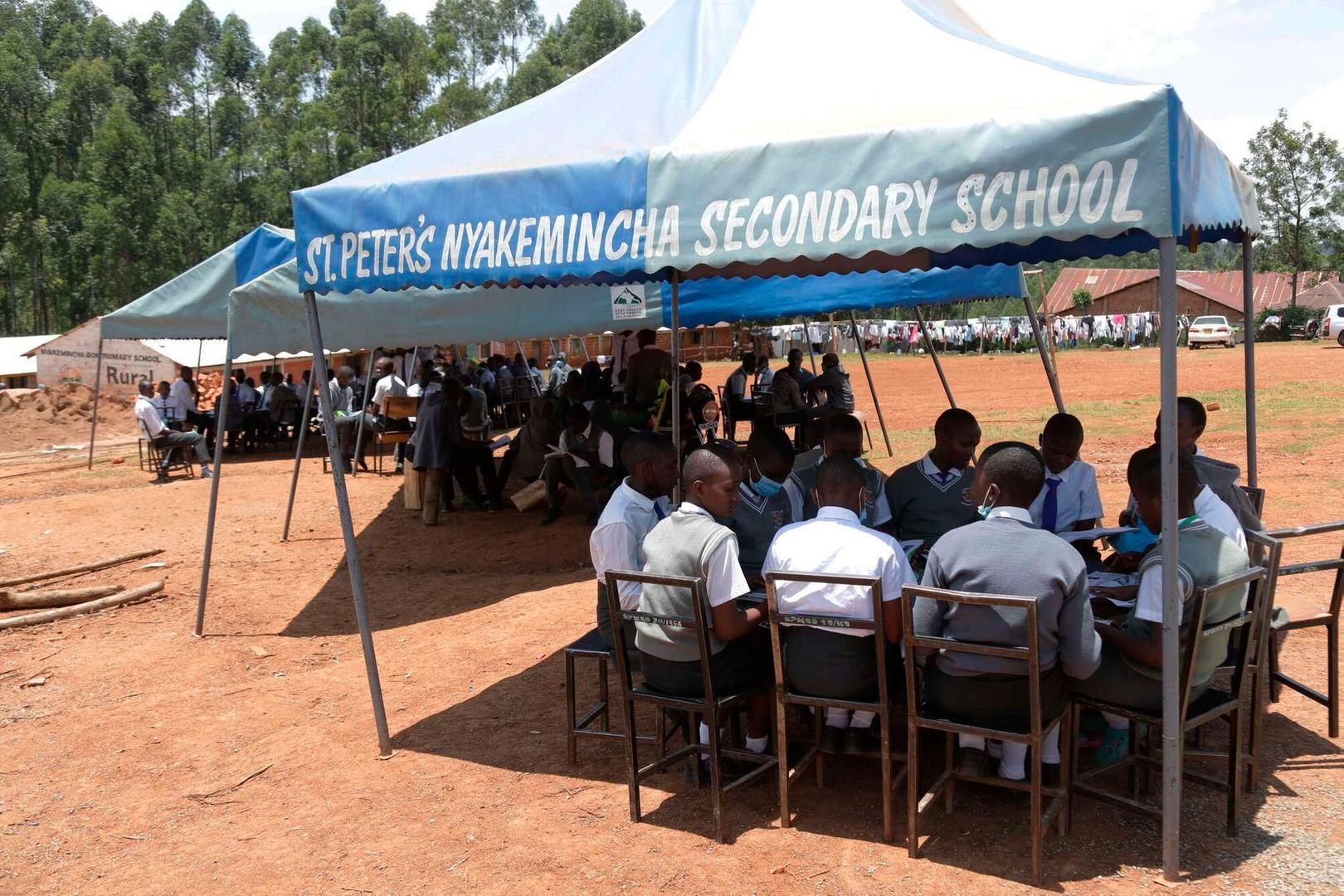
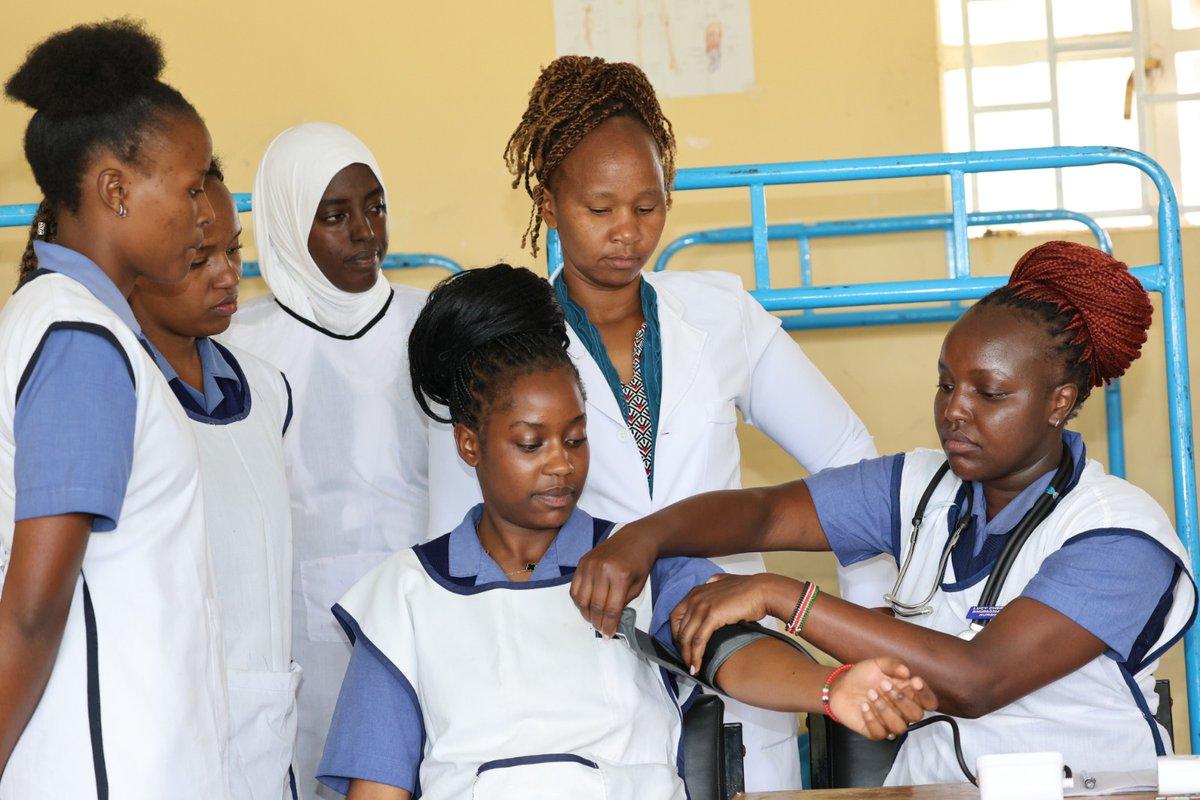
Kenya’s investment spans the entire education value chain, including Early Childhood Development, primary and secondary education, Technical and Vocational Education and Training (TVET), and university education.
A defining feature of Kenya’s education agenda is the Competency-Based Curriculum (CBC), which seeks to shift learning from memorisation towards skills development, innovation, creativity and problem-solving.
Education Supports Kenya’s Economic Vision
Kenya’s devolved governance system further strengthens implementation by allowing county governments to support early childhood education while the national government oversees policy and financing.
The country’s education investments are closely aligned with its broader ambition of becoming a regional hub for services, innovation, finance and the digital economy.
However, challenges such as inequalities in access, infrastructure deficits and teacher workload pressures continue to affect learning outcomes.
Uganda Focuses on Universal Access
Uganda’s development model is anchored on universal education access and a gradual transition towards resource-driven economic transformation.
The country has allocated about KSh 240 billion to education, representing roughly 8.6 per cent of its national budget.
Uganda’s Universal Primary Education (UPE) and Universal Secondary Education (USE) programmes have significantly expanded access to schooling, particularly in rural areas.
The country’s education system also places increasing emphasis on vocational training and agricultural skills development to support its largely agrarian economy.
Oil Wealth Could Transform Uganda
Uganda continues to experience rapid population growth, creating increasing demand for education services and employment opportunities.
The anticipated growth of the oil and gas sector is expected to expand fiscal capacity and accelerate investment in infrastructure, skills development and industrialisation.
This could significantly reshape the country’s education financing landscape in the coming years.
Tanzania Prioritises Industrialisation
Tanzania follows a state-led industrialisation and infrastructure-driven development model.
The country has allocated approximately KSh 150 billion to education, representing about 5 per cent of its national budget.
While this is lower than the allocations made by Kenya and Uganda, Tanzania’s priorities are focused on major investments in rail transport, ports, energy infrastructure and industrial expansion.
The strategy aims to position Tanzania as a regional logistics and manufacturing hub.
Aligning Skills with Industry
Within this framework, Tanzania is increasingly aligning education with industrial needs through Technical and Vocational Education and Training (TVET).
The emphasis is on producing skilled labour to support manufacturing, transport, logistics and energy sectors.
The country’s long-term planning approach and policy consistency continue to support this development path.
Why Kenya Stands Out
Kenya’s budget stands out across East Africa not only because of its size but also because of the way education is integrated into economic transformation.
The country leads in both absolute and proportional education funding, maintains investment across all levels of education and continues to align learning reforms with future labour market demands.
The combination of national and county government support also strengthens implementation and expands access to educational opportunities.
Regional Outlook
Despite their different approaches, Kenya, Uganda and Tanzania share common challenges and opportunities.
All three countries are experiencing rapid population growth, increasing demand for education and employment, and growing pressure to equip young people with practical skills.
At the same time, each government is investing heavily in infrastructure to support economic growth and regional integration.
The 2026/27 budget landscape demonstrates three complementary pathways to development: Kenya through knowledge and human capital, Uganda through universal access and resource-based growth, and Tanzania through industrialisation and infrastructure expansion.
READ ALSO: Sigor MP donates brand new school bus to Annet Senior School
The long-term success of East Africa will depend on how effectively these strategies translate into quality education, productive employment and inclusive economic growth.
You can also follow our social media pages on Twitter: Education News KE and Facebook: Education News Newspaper for timely updates.
>>> Click here to stay up-to-date with trending regional stories
>>> Click here to read more informed opinions on the country’s education landscape
>>> Click here to stay ahead with the latest national news.