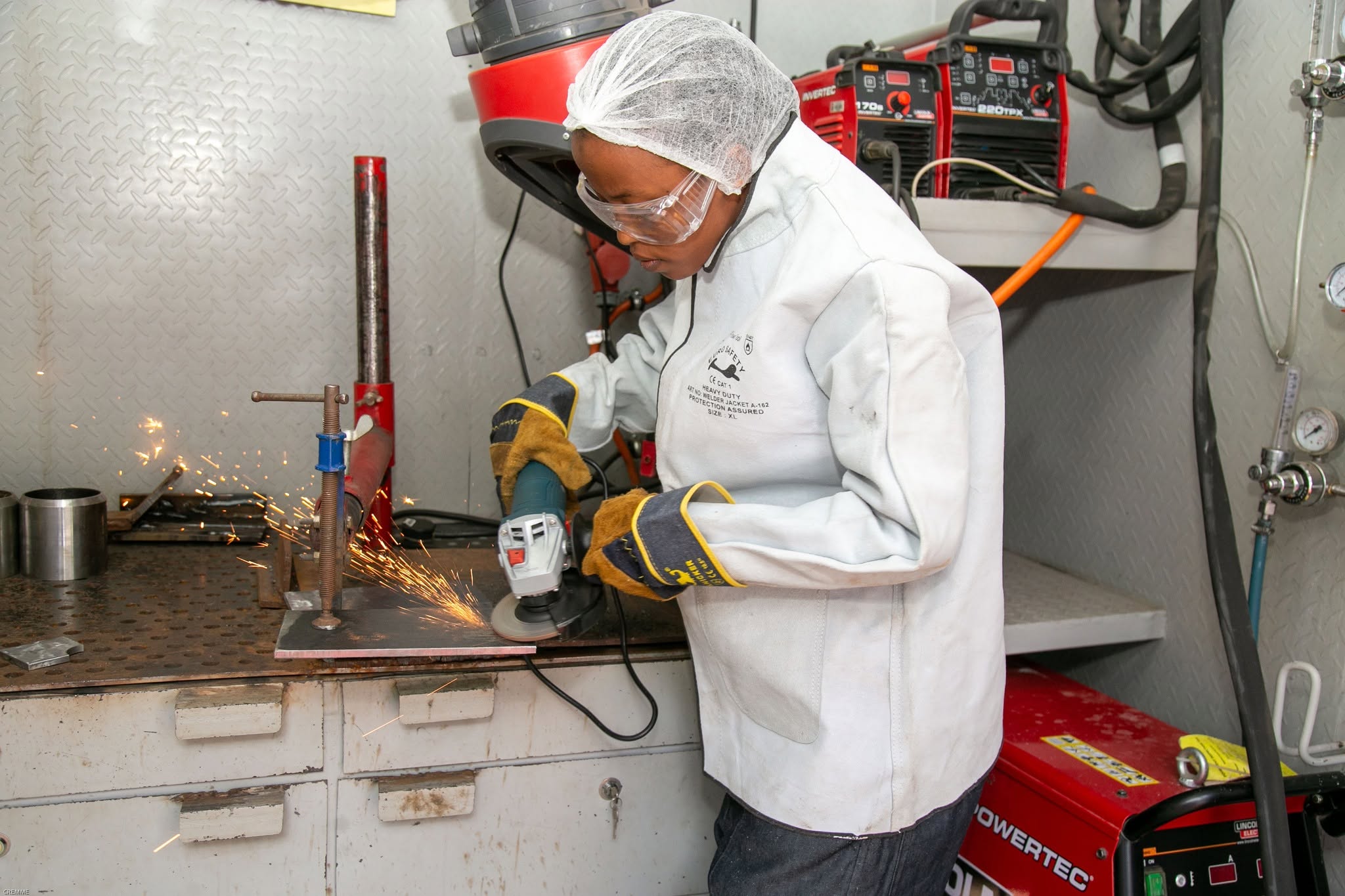
- Kenya has expanded national polytechnics from 23 to 33 and raised TVET enrolment to about 825,000 trainees, targeting two million learners under CBET reforms.
- The government has introduced a standard annual TVET fee of Sh67,189 from May 2026 and reduced course durations to help trainees enter the job market sooner.
- CS Ogamba has said the reforms aim to equip young Kenyans with practical skills for employment and entrepreneurship, supporting the country’s industrialisation agenda.
By Jeff Kirui
Kenya is stepping up efforts to tackle youth unemployment by transforming Technical and Vocational Education and Training (TVET) into a major pipeline for practical skills, employment and entrepreneurship.
The reforms, being implemented under Education Cabinet Secretary Julius Migos Ogamba, seek to shift the focus from academic qualifications alone to hands-on competencies that respond directly to the needs of industry.
The government is expanding competency-based education and training (CBET), dual training and modular programmes to give trainees greater exposure to workplaces while allowing them to acquire skills in a more flexible manner. The changes come as Kenya seeks to increase the number of young people equipped with skills that can enable them to secure employment or create their own businesses.
National polytechnics have increased from about 23 to 33, while the government is working towards establishing at least one TVET institution in every constituency to bring technical training closer to learners. TVET enrolment has subsequently risen to about 825,000 trainees, with the government targeting two million learners as it seeks to expand the country’s pool of skilled workers.
ALSO READ:
Schools must prepare now for El Niño risks ahead of examinations
The sector is also undergoing reforms aimed at making training more affordable and predictable. A standard annual fee of Sh67,189, introduced from May 2026, is expected to give students and parents greater certainty over the cost of training. At the same time, the duration of some courses is being reduced to allow young people to enter the labour market sooner, with some two-year certificate programmes now completable in about one-and-a-half years, while selected three-year diploma courses can take two years or less.
The government sees the changes as critical to Kenya’s industrialisation agenda, with TVET graduates expected to fill technical and skilled positions across different sectors of the economy. Beyond formal employment, the new approach is also intended to encourage entrepreneurship by giving trainees practical competencies that can be converted into income-generating ventures.
ALSO READ: Sossion, Lentoijoni set to be sworn in as TSC Commissioners today
However, experts and stakeholders have previously stressed the need for stronger links between training institutions and industry to ensure that the skills being taught correspond with actual labour-market demand. For the reforms to achieve their full potential, TVET institutions will also have to maintain training quality, provide modern equipment and ensure adequate opportunities for practical exposure.
With youth unemployment remaining a major economic and social concern, the government’s emerging message is clear: Kenya’s future workforce will need more than certificates; it will need practical skills that can translate into jobs, businesses and productivity. The success of the TVET transformation will ultimately be measured not by the number of institutions or trainees alone, but by how many young Kenyans move from training into sustainable employment and enterprise.
Get more stories from our website: Education News
To write to us or offer feedback, you can reach us at: editor@educationnews.co.ke
You can also follow our social media pages on Twitter: Education News KE and Facebook: Education News Newspaper for timely updates.
>> Click here to stay up-to-date with trending regional stories