- The Ministry of Education (MoE) has released the final tranche of Free Day Junior School Education funds for verified public junior schools.
- The allocation will support personnel-related expenditures and help schools meet operational demands under the Competency-Based Education system.
- School heads have been directed to utilise the funds prudently and maintain proper financial records.
The Ministry of Education (MoE) has released the final tranche of Free Day Junior School Education (FDJSE) funds for Term Three of the 2025 academic year, bringing relief to public junior schools that have faced financial constraints amid growing enrolment and staffing demands.
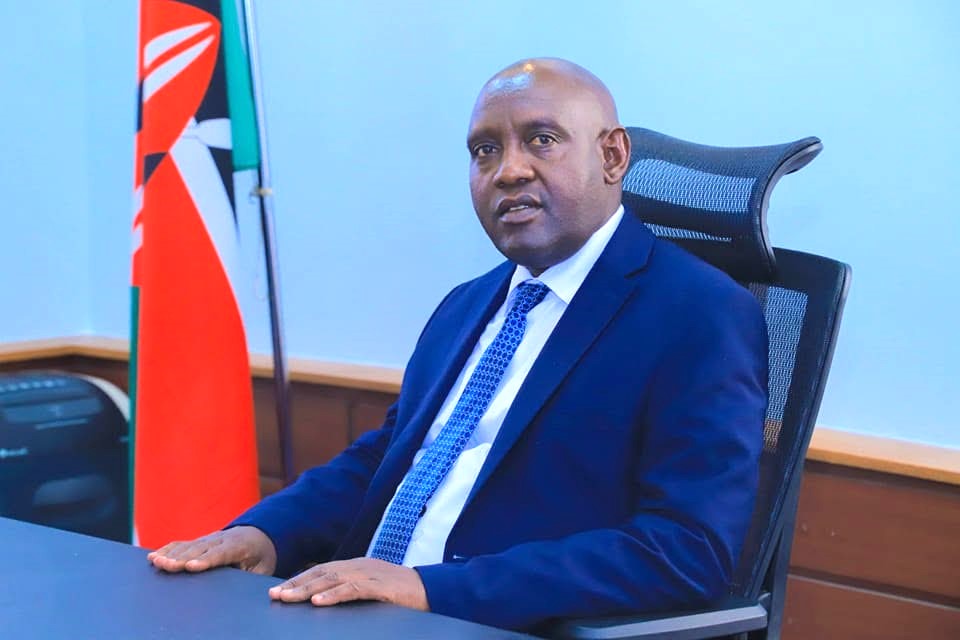
In a circular dated June 18, 2026, Principal Secretary for Basic Education John Ololtuaa announced that the government had released the final allocation of FDJSE funds to all verified public junior schools across the country.
The circular, addressed to all Sub-County Directors of Education, directed education officials to ensure the information reaches heads of public junior schools within their jurisdictions.
According to the communication, the funds have been released in line with earlier government guidelines on the utilisation of Free Day Junior School Education resources.
“Further reference is made to the circular guide on the utilisation of Free Day Junior School Education (FDJSE) funds for Term 3, 2025 Ref No. MOE.HQs/3/7/33 (16) dated 28th October 2025,” the circular states.
The Ministry confirmed that the final tranche amounts to KSh16,153.32 and has been disbursed to all schools that have undergone verification by the government.
“The final tranche of the funds amounting to KSh16,153.32 has now been released to all verified schools. These additional funds will be used to cater for the Personal Emoluments vote head,” reads the circular.
The release is expected to help schools meet personnel-related expenditures, particularly at a time when junior schools continue to adjust to the demands of the Competency-Based Education (CBE) system.
Education stakeholders have in recent months raised concerns over delayed capitation and inadequate funding, arguing that many institutions have struggled to support learning programmes, co-curricular activities and operational costs.
Schools urged to maintain proper records
The Ministry reminded school administrators that all funds must be utilised strictly in accordance with government guidelines and financial regulations.
“All schools are once again reminded to utilise the resources as per the circular and maintain proper records,” the circular states.
The directive places renewed emphasis on accountability and prudent management of public funds, an issue that has increasingly come under scrutiny as the government expands investment in basic education.
School heads are expected to ensure that expenditure records, procurement documents and financial reports are properly maintained for audit purposes.
The Principal Secretary instructed education officers at the sub-county level to disseminate the information to all affected institutions.
“You are requested to circulate the contents of this circular to the Heads of Institutions of Public Junior Schools within your jurisdiction,” Ololtuaa directed.
Copies of the circular were also forwarded to the Director of Schools Audit Services, Regional Directors of Education and County Directors of Education.
Growing investment in Junior Schools
The release comes as the government continues to strengthen the implementation of the Competency-Based Education system, which introduced Junior Secondary School as a critical stage in basic education.
Since the transition of Grade 9 learners into junior schools, the Ministry of Education has significantly increased funding to support infrastructure development, learning materials, teacher recruitment and school operations.
The government has maintained that capitation remains essential in ensuring equitable access to quality education and reducing the financial burden on parents.
In the 2026/27 national budget, education received the largest share of government expenditure, with substantial allocations directed towards basic education, teacher recruitment and support for junior schools.
However, education stakeholders have continued to call for timely disbursement of funds, arguing that delayed capitation affects procurement of learning materials, payment of support staff and the smooth running of school programmes.
READ ALSO: Jubilations as Oriwo Boys attains national school status
The latest release is therefore expected to ease financial pressure on schools as they conclude implementation of Term Three activities and prepare for subsequent academic programmes under the Competency-Based Education framework.
By Joseph Mambili
You can also follow our social media pages on Twitter: Education News KE and Facebook: Education News Newspaper for timely updates.
>>> Click here to stay up-to-date with trending regional stories
>>> Click here to read more informed opinions on the country’s education landscape