For decades, literature classrooms have revolved around novels, plays, poetry, and short stories. Students have studied classic texts to understand themes, characterisation, language, and the human condition. Yet the world has changed dramatically.
Today’s learners consume stories, ideas, and cultural narratives not only through books but also through social media platforms. A two-minute video clip, a viral thread, or a carefully crafted post can spark conversations, shape opinions, and communicate life lessons with remarkable power. It is time for educators to recognize social media content as an emerging literary genre worthy of study in schools.
At first glance, social media may appear too informal or fleeting to be compared with traditional literature. Critics often associate it with entertainment, distraction, and superficiality. However, a closer look reveals that many social media creators employ the same literary techniques found in conventional texts. They use storytelling, symbolism, imagery, characterization, dialogue, irony, and suspense to engage audiences. The difference lies in the medium rather than the message.
Consider the countless short videos that tell compelling stories within a few minutes. Some depict acts of kindness, sacrifice, perseverance, or courage. Others explore family relationships, social injustice, mental health, or personal growth. Through carefully selected visuals, music, and dialogue, creators communicate complex themes that resonate with millions of viewers. Such content provides rich material for literary analysis.
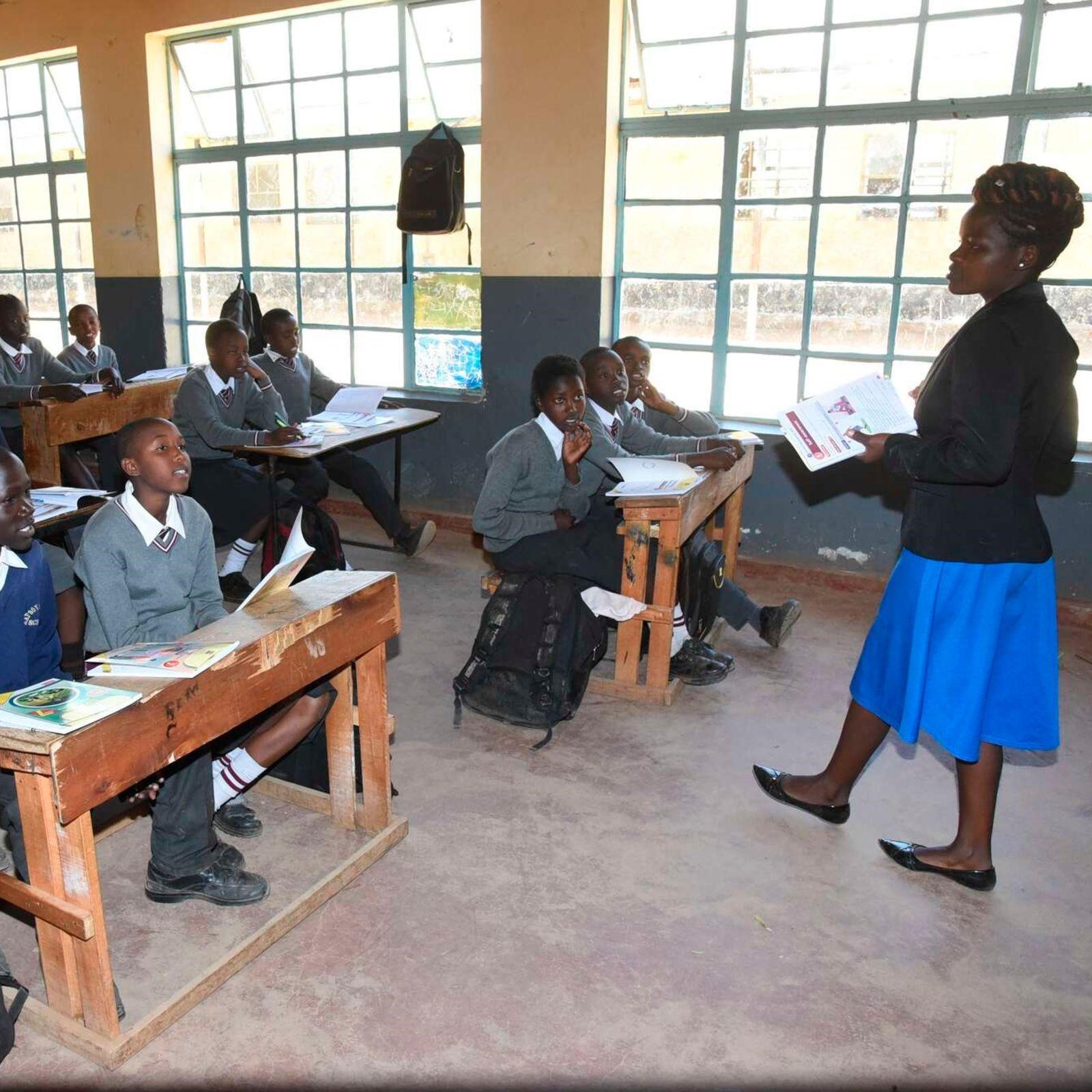
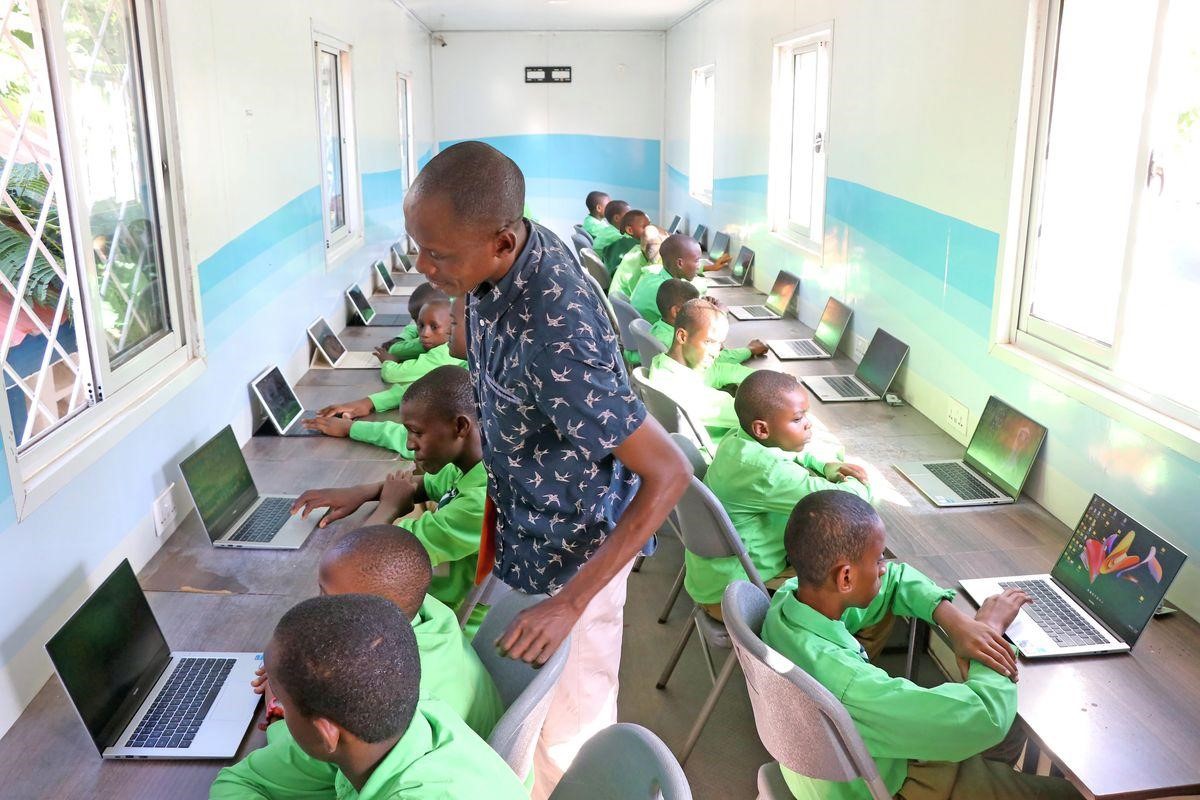
One reason social media deserves classroom attention is its relevance to learners. Many students spend significant amounts of time online. They encounter stories and messages that influence their attitudes, values, and understanding of the world. Yet schools often ignore these texts, focusing exclusively on printed materials. By incorporating social media content into literature lessons, teachers can bridge the gap between classroom learning and students’ everyday experiences.
Studying social media content can also strengthen critical-thinking skills. Students can be taught to analyze the purpose, audience, tone, themes, and techniques used in a video or post. They can examine how creators use language and visuals to persuade, entertain, or educate. They can evaluate credibility, identify bias, and distinguish between fact and opinion. These are essential skills in an age where information spreads rapidly and misinformation can have serious consequences.
Furthermore, social media offers contemporary examples of moral and ethical dilemmas. A viral clip showing a stranger helping someone in distress can spark discussions about compassion and civic responsibility. A post about overcoming adversity can inspire conversations about resilience and determination. Stories of reconciliation, forgiveness, leadership, and accountability often emerge online long before they find their way into textbooks. Such content can help learners reflect on values and character in ways that feel immediate and authentic.
Emotional impact
The emotional impact of social media narratives is another reason they deserve scholarly attention. Literature has always aimed to evoke emotions and encourage empathy. The same can be said of many digital stories. A short video documenting a student’s struggle to access education, a parent’s sacrifice for a child, or a community’s response to tragedy can move audiences deeply. Analyzing these narratives helps students understand how stories shape emotions and influence human behaviour.
Social media content also reflects contemporary culture. Future historians seeking to understand the twenty-first century will undoubtedly examine digital platforms as records of social attitudes, concerns, and aspirations. In many ways, viral posts serve as snapshots of society. They reveal what people celebrate, criticize, fear, or hope for. Studying such content enables learners to engage with current realities while developing cultural awareness.
Importantly, integrating social media into literature studies does not mean abandoning books. Rather, it means expanding the definition of what constitutes a text. Just as literature evolved from oral traditions to written works and later embraced film and digital storytelling, education must adapt to new forms of communication. Classic novels and poems remain invaluable, but they can coexist with contemporary digital narratives.
Teachers could, for example, ask students to compare the themes of a traditional short story with those of a viral video. Learners might analyze how each medium develops character, creates suspense, or conveys a moral lesson. Such comparisons would deepen understanding of both traditional and modern storytelling techniques.
There are, of course, challenges. Not all social media content is suitable for educational purposes. Teachers must carefully select materials that are age-appropriate, meaningful, and aligned with learning objectives. Schools must also address issues such as digital literacy, online safety, and ethical content consumption. However, these challenges should not prevent educators from exploring the educational potential of digital narratives.
The classroom of the future must acknowledge that stories now travel through multiple channels. A powerful lesson may come from a Shakespearean play, a novel by an African author, or a three-minute video viewed by millions across the globe. What matters is the quality of the narrative and the insights it offers into human experience.
READ ALSO: Catholic Diocese of Kitale marks Education Day with call for academic excellence and discipline
As education seeks to prepare learners for an increasingly digital world, social media content should not be dismissed as mere entertainment. It has emerged as a significant form of storytelling that shapes opinions, teaches values, and reflects society. By studying it alongside traditional literature, schools can help students become more thoughtful readers, critical thinkers, and informed citizens. The stories of our time are no longer confined to bookshelves; many now unfold on screens, waiting to be read, interpreted, and understood.
By Ashford Kimani
Ashford teaches English and Literature in Gatundu North Sub-county and writes on education, literacy, and youth development.
You can also follow our social media pages on Twitter: Education News KE and Facebook: Education News Newspaper for timely updates.
>>> Click here to stay up-to-date with trending regional stories
>>> Click here to read more informed opinions on the country’s education landscape