- Education officials have urged schools to conduct regular inspections of electrical installations to enhance safety and prevent disasters.
- Institutions were cautioned against using unqualified technicians for electrical work despite the lower costs involved.
- Quality assurance officers say ageing wiring systems pose growing risks as schools expand their use of digital technologies.
By Hillary Muhalya
Quality education extends far beyond curriculum delivery and academic performance. It encompasses the creation of learning environments that are safe, secure and conducive to the holistic development of learners.
As institutions strive to achieve excellence in educational standards, equal attention must be directed towards the infrastructure that supports teaching and learning.
This message emerged strongly during a meeting of heads of institutions held at Nasokol Girls High School, where education leaders gathered to deliberate on matters relating to quality assurance and standards in schools.
Engage Qualified Professionals
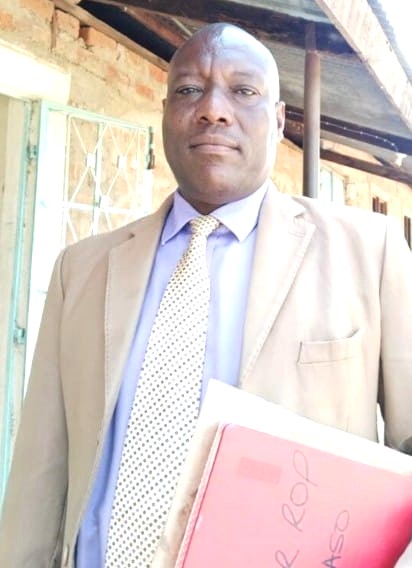
Addressing participants, West Pokot County Quality Assurance and Standards Officer Philemon Rop urged institutions to ensure that all electrical installations and maintenance works are undertaken by qualified personnel.
“Have the correct Kenya Power electricity artisan workmanship and always ensure that the connection systems are meeting the required threshold through regular checks,” said Mr Rop.
He observed that quality assurance should not be confined to classroom instruction alone but should embrace every aspect of school operations, including the safety and integrity of electrical systems.
Poor workmanship and substandard installations expose institutions to serious risks ranging from power disruptions and destruction of valuable equipment to electrocution and devastating fire outbreaks.
Concerns Over Ageing Infrastructure
Mr Rop cautioned school administrators against engaging unqualified technicians simply because they offer cheaper services.
He noted that many institutions still rely on electrical installations completed in the 1980s and 1990s, long before the current expansion in electricity use within schools.
This prompted a critical question to school leaders:
“When did you last ask qualified Kenya Power electricity artisans to inspect your school’s wiring system?”
While many older systems continue functioning, the passage of time may compromise their reliability.
Modern schools now depend on computers, projectors, printers, digital learning devices, laboratory equipment and water pumps, placing greater demands on existing electrical infrastructure.
Hidden Risks in Schools
The officer warned that ageing infrastructure presents hidden dangers.
In some cases, rodents damage cable insulation, particularly where wiring passes through ceilings, roofs and concealed spaces that remain unchecked for long periods.
Such deterioration may remain unnoticed until it manifests through short circuits, electrical shocks, equipment failures or fire incidents.
Need for Preventive Maintenance
The meeting underscored the importance of preventive maintenance.
Schools were encouraged to establish regular inspection schedules involving qualified Kenya Power artisans and licensed electrical contractors.
These inspections should assess wiring systems, sockets, switches, circuit breakers, distribution boards, earthing arrangements and other critical components to determine whether they continue to meet required safety standards.
Continuous Monitoring
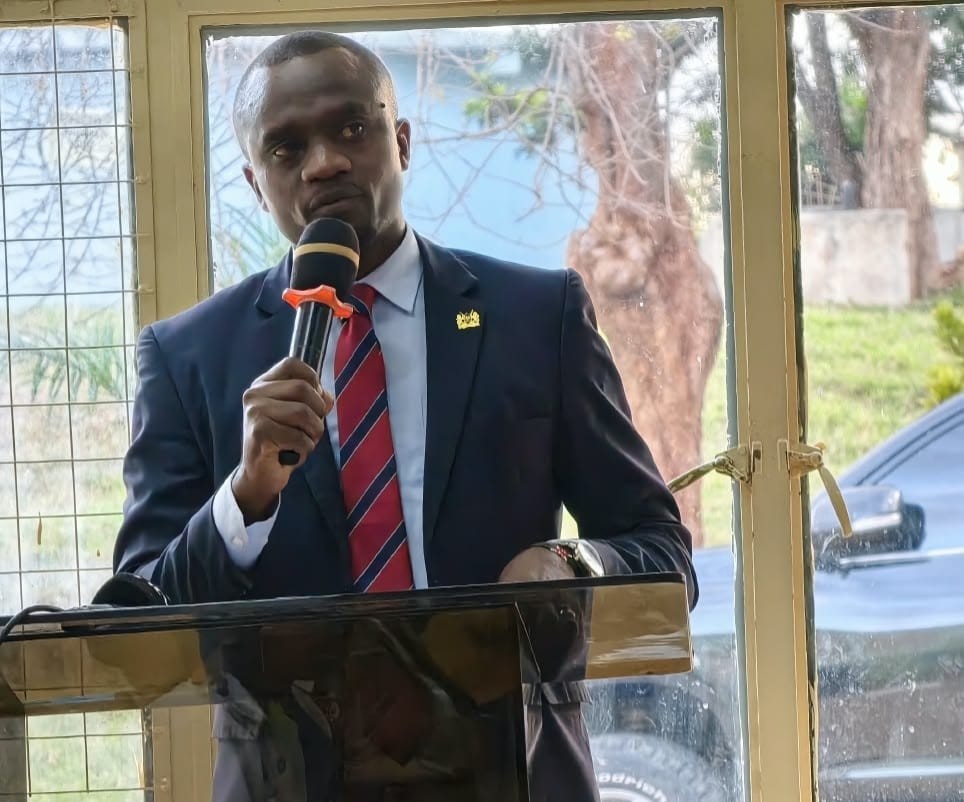
Sub-County Director of Education Amos Kibet echoed these sentiments and reaffirmed the commitment of education authorities to continuous monitoring.
“Regular checks have been taking place and will continue for as much as it takes to ensure that our institutions remain safe and compliant with the required standards,” said Mr Kibet.
He emphasised that quality assurance is not an event but an ongoing process aimed at improving both educational outcomes and institutional safety.
Shared Responsibility
Mr Kibet called upon heads of institutions to cooperate fully during inspection exercises and implement recommendations arising from quality assurance reports.
He noted that the effectiveness of safety initiatives largely depends on the willingness of institutional leaders to prioritise compliance and embrace a culture of continuous improvement.
Educational institutions, he added, carry a profound responsibility because parents entrust schools with the welfare of their children.
Time to Act
For this reason, preventive electrical audits should become an integral component of institutional management.
Waiting until faults occur may prove costly both financially and in terms of human life. Proactive interventions provide opportunities to rectify defects before they escalate into emergencies.
As schools continue investing in modern facilities and digital technologies, there is an urgent need to assess whether existing electrical systems are capable of safely supporting these developments.
The deliberations at Nasokol Girls High School therefore served as a timely reminder that quality education thrives where safety standards are upheld without compromise.
Excellence in education is reflected not only in examination results but also in the diligence with which institutions safeguard learners, staff and property.
The challenge now rests with every school administrator:
When was the last time your institution conducted a comprehensive inspection of its electrical system?
If the answer dates back many years—or if such an exercise has never been undertaken—then the time to act is now.
READ ALSO: Spelling that sticks: 8 learner-centred strategies to build confident readers and writers
Regular checks conducted by qualified professionals could prevent avoidable tragedies and ensure that schools remain secure spaces for learning and growth.
You can also follow our social media pages on Twitter: Education News KE and Facebook: Education News Newspaper for timely updates.
>>> Click here to stay up-to-date with trending regional stories
>>> Click here to read more informed opinions on the country’s education landscape