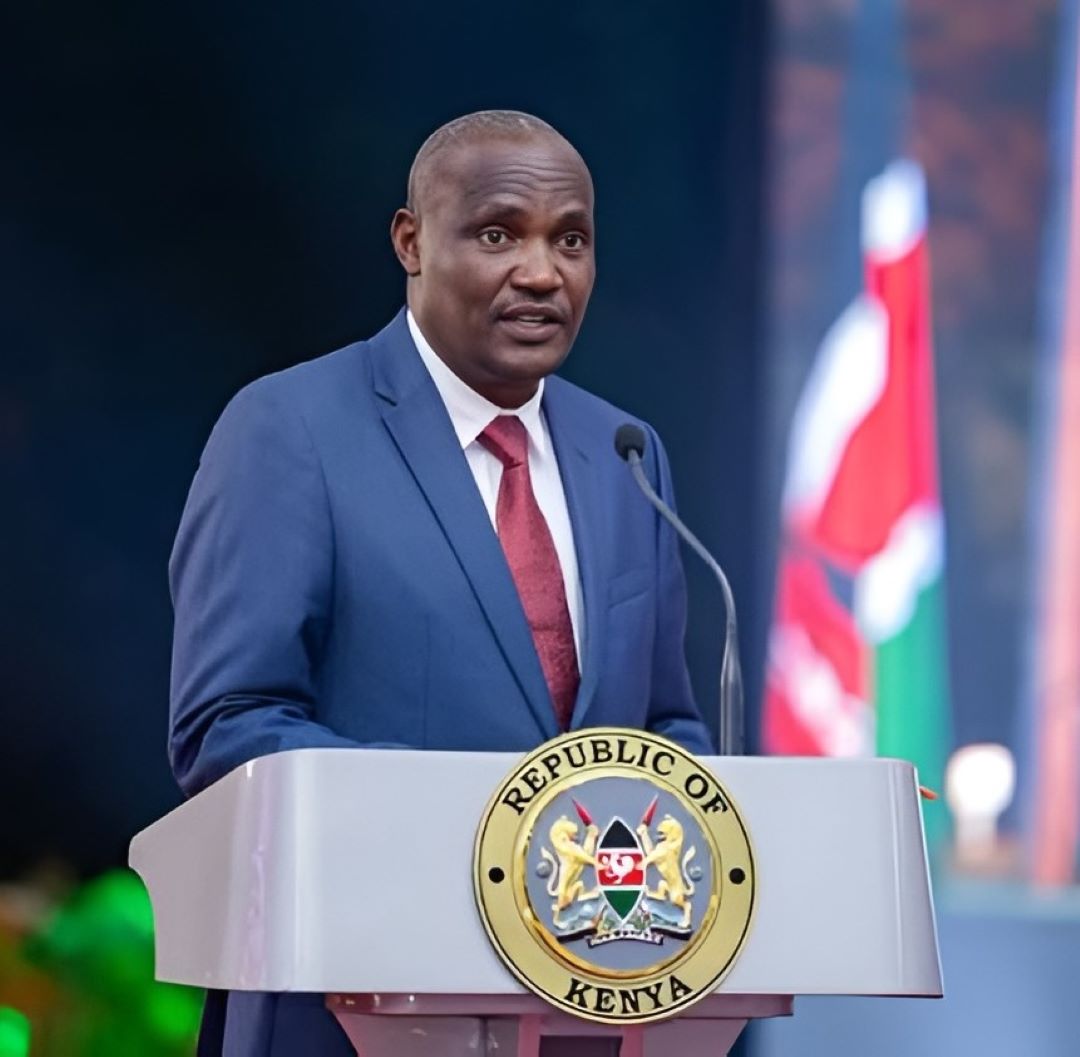
- Isaac Nyongesa proposes regular contributions from Kenyans to create a common pool for higher education financing.
- The model would use progressive contributions, with lower-income earners paying less than those earning higher incomes.
- The proposal raises questions around legislation, accountability, eligibility and management of the pooled resources.
A senior student leader at the University of Embu, Isaac Nyongesa, has proposed the establishment of a Higher Education Insurance Fund to help cushion university and college students against the rising cost of tuition and upkeep.
Nyongesa says the proposed fund could be modelled along the principles of the Social Health Authority (SHA), with Kenyans making regular contributions that would collectively finance higher education support.
Under the proposal, every citizen would contribute a small amount based on their income, with monthly contributions ranging from about Sh50 to more than Sh1,000 for higher-income earners.
Nyongesa argues that participation should be universal, meaning contributions would be made regardless of whether an individual currently has a child enrolled in a university or college.
The pooled resources, he says, would then be used to support students with tuition fees and upkeep, creating a wider social financing mechanism for higher education.
Progressive contribution system
He proposes that if universal participation is adopted, the scheme should be anchored in clear legislation to provide a legal framework for registration, contributions and management of the fund.
Nyongesa also advocates for a progressive contribution system, where low-income earners pay less while those with higher incomes contribute more.
The proposal comes amid continuing debate over how Kenya can sustainably finance higher education and reduce the financial burden facing students and their families.
Nyongesa’s proposal has sparked discussion on whether Kenyans would be willing to contribute to a common fund whose benefits could be accessed by students when they join universities and colleges.
The idea also raises questions about governance, accountability, eligibility and how contributions would be protected from misuse.
Nyongesa is now calling for public debate on the proposal, asking Kenyans to consider whether a universal Higher Education Insurance Fund could provide a sustainable way of financing higher education.
READ ALSO: JKUAT hosts 46th graduation as graduates challenged to turn knowledge and innovation into solutions
His proposal has been publicly circulated in discussions on higher education financing.
By Our Reporter
You can also follow our social media pages on Twitter: Education News KE and Facebook: Education News Newspaper for timely updates.
>>> Click here to stay up-to-date with trending regional stories
>>> Click here to read more informed opinions on the country’s education landscape