- Effective educational leadership under CBE requires adaptability, inclusion and a shift away from examination-focused measures of success.
- The author has cited institutions such as ISK, Strathmore University, KISE, Aga Khan Academy and Starehe Boys’ Centre as examples of leadership practices relevant to CBE.
- Ateto has called for stronger partnerships between schools, families and communities to help every learner discover and develop their potential.
Education is changing rapidly, and so is the role of the educational leader. In today’s interconnected and technology-driven world, school leaders are expected to do more than manage teachers, learners and resources. They must promote inclusion, embrace innovation, understand diversity and, most importantly, create opportunities for every learner to discover, develop and apply their potential.
This responsibility has become particularly important under Kenya’s Competency-Based Education (CBE), which places the learner at the centre of the educational process. Rather than focusing primarily on academic performance and examination results, CBE seeks to identify, nurture and develop the abilities, talents, interests, values and competencies of every learner, with the broader ambition of producing engaged, empowered and ethical citizens who can contribute meaningfully to their families, communities, country and the wider world.
One of the most important qualities of effective educational leadership is adaptability. Schools bring together learners, teachers and parents from different cultural, social and economic backgrounds, meaning leadership approaches must respond to the unique circumstances and needs of each institution. The International School of Kenya (ISK), for example, provides a useful illustration of participative leadership within a culturally diverse environment, where involving teachers, learners and parents in decision-making promotes inclusivity, cooperation and a stronger sense of belonging.
Kenya moves to strengthen oversight of foreign-curriculum schools: and why it matters
Recognising Every Learner’s Unique Potential
This approach is highly relevant to Kenyan schools implementing CBE. If every learner possesses unique abilities and interests, school leadership must create an environment where those differences are recognised as strengths rather than weaknesses. Effective leaders should therefore listen, consult, empower and create space for diverse voices. At the heart of CBE is the conviction that every learner is somebody with potential that deserves to be discovered and nurtured, which requires educational leaders to move beyond the traditional practice of measuring success mainly through examination grades. A learner who may struggle in conventional academic subjects could demonstrate exceptional ability in sports, music, art, agriculture, technology, leadership, communication, craftsmanship or entrepreneurship.
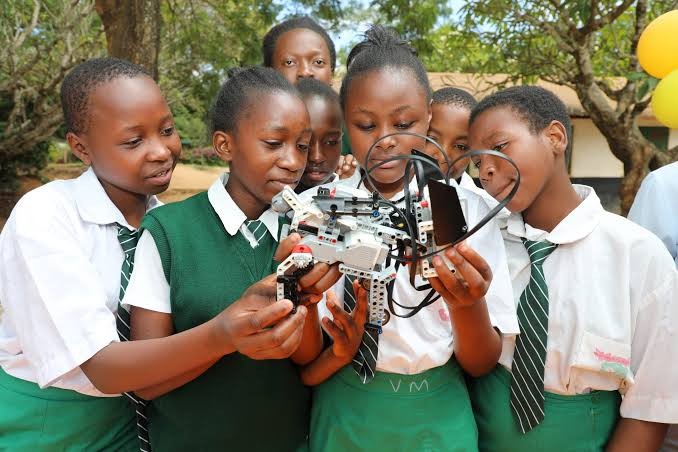
Effective school leadership therefore involves creating opportunities for learners to explore and develop their talents through clubs, projects, practical activities, sports, creative arts, community service, innovation and career guidance. The leader’s question should not simply be, “How many marks has this learner scored?” It should also be, “What can this learner become, and what are we doing to help them get there?” That shift in thinking is fundamental to the success of CBE.
Leadership effectiveness is also measured by how well schools ensure that no learner is left behind. Educational leaders can use learner data to identify strengths, challenges and areas requiring intervention, enabling schools to provide appropriate support to learners with different abilities, backgrounds and learning needs. CBE strengthens this approach by emphasising differentiated learning and competency development, providing varied learning experiences based on individual needs, interests and abilities rather than treating learners as though they are identical. Inclusion must also extend to learners with disabilities and those from disadvantaged backgrounds, to remove barriers that prevent learners from participating fully in education. This is how educational leadership can transform the principle that “every learner matters” from a slogan into a practical reality.
TSC extends Term Two TPAD deadline to August 24 following system glitches
Preparing Learners for an Interconnected World
Globalisation has made cross-cultural competence an increasingly important part of education. Educational leaders must prepare learners to work, communicate and collaborate with people from different cultures and backgrounds. Institutions such as Strathmore University expose learners to international partnerships and global development initiatives, helping them appreciate issues beyond Kenya’s borders and broadening their perspectives for an increasingly interconnected world. This aligns closely with the CBE vision of producing engaged, empowered and ethical citizens — an empowered learner possesses the confidence and competencies to participate actively in society, while an ethical citizen understands responsibility, integrity, respect and the consequences of personal choices. However, becoming a global citizen should not mean abandoning Kenyan identity; learners should understand the world while remaining firmly grounded in their communities, cultures, values and national responsibilities.
Technology is another critical dimension of modern educational leadership. Digital platforms, assistive technologies and emerging innovations are transforming how teaching and learning take place. The Kenya Institute of Special Education (KISE), for instance, demonstrates the importance of assistive technology in supporting learners with disabilities and improving access to education. Yet effective technology leadership is not simply about purchasing computers, tablets or other digital devices — leaders must ensure that technology serves a clear educational purpose, teachers receive adequate training, learners develop digital literacy and technology is used responsibly. The future workplace will demand people who can solve problems, collaborate digitally, analyse information and adapt to technological change, meaning schools must prepare learners not merely to consume technology, but to use it creatively and productively.
Educational leadership is increasingly connected to global challenges such as climate change, inequality, poverty, environmental degradation and sustainable development. The United Nations Sustainable Development Goals, particularly SDG 4 on quality education, emphasise the importance of inclusive and equitable quality education and lifelong learning opportunities for all. Schools such as the Aga Khan Academy in Mombasa demonstrate how learning can be connected to wider social and development challenges, helping learners understand that knowledge is not simply something acquired for examinations but a tool for solving real-world problems. CBE provides an ideal framework for this kind of learning because competencies are strengthened when learners apply knowledge to practical situations.
ALSO READ:
JKF urges Elimu Scholars to embrace education, leadership and purpose
Building Partnerships Beyond the Classroom
Schools cannot nurture every learner’s potential in isolation. Parents, communities, alumni, businesses, religious organisations, universities and other stakeholders all have important roles to play. The Starehe Boys’ Centre and School illustrates the transformative power of community and alumni support in expanding educational opportunities for learners from disadvantaged backgrounds. For CBE to achieve its full potential, schools must establish meaningful partnerships with families and communities, with parents helping identify learners’ interests and talents while communities and professionals provide mentorship, resources, internships and opportunities for experiential learning. Education becomes more meaningful when the school and the community work together rather than operating as separate worlds.
Ultimately, the effectiveness of educational leadership should be reflected in the kind of citizens schools produce. The CBE vision of engaged, empowered and ethical citizens provides a powerful framework for this transformation — engagement means learners participate actively in their education and communities, empowerment means they develop the confidence, competencies and skills to pursue their aspirations, and ethical citizenship means they use their abilities responsibly and for the benefit of society. This requires leaders who see education not simply as preparation for examinations, but as preparation for life.
Globalisation does not require Kenyan schools to abandon local values. Instead, effective educational leadership requires a careful balance between global perspectives and local realities. The educational leader of the future must be a visionary, collaborator, innovator, mentor and servant leader, whose greatest achievement should not simply be excellent examination results, but the discovery and development of the potential hidden within every learner.
High Court Orders Gatoto Comprehensive School handed back to private owners
The question facing school leaders is therefore no longer simply, “How well are our learners performing?” It is also: “How many learners are discovering who they are, what they can become and how they can use their potential to make a difference?” The future of education may be global, but the journey begins with one learner at a time. When every learner’s potential is recognised and nurtured, we do not merely produce successful students — we produce engaged, empowered and ethical citizens capable of shaping a more innovative, inclusive and prosperous Kenya, and contributing confidently to a better world.
By Polycap Ateto
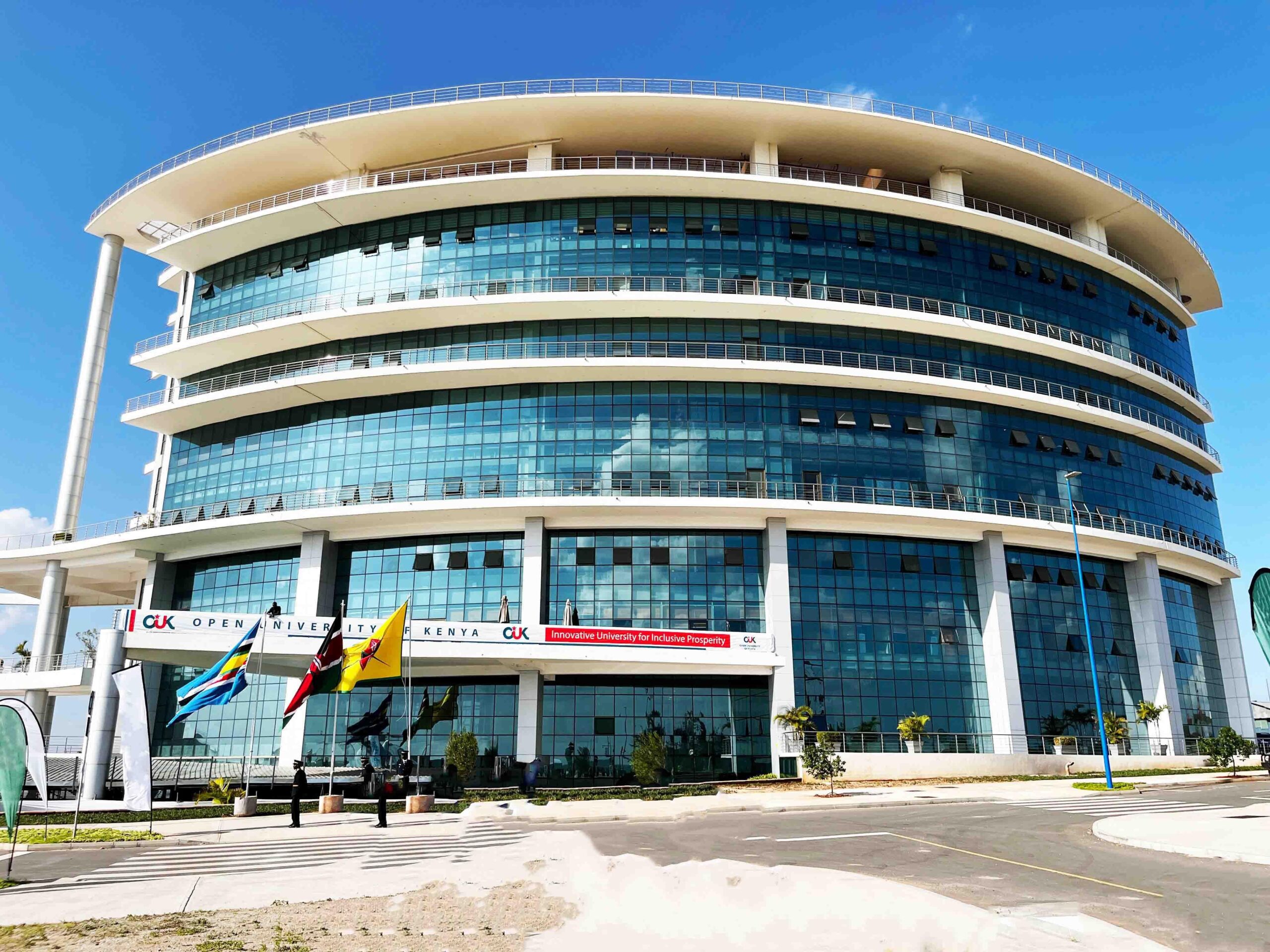
Polycap is a postgraduate student at the Open University of Kenya and an advocate of inclusive education leadership in CBE.
You can also follow our social media pages on Twitter: Education News KE and Facebook: Education News Newspaper for timely updates.
>>> Click here to stay up-to-date with trending regional stories
>>> Click here to read more informed opinions on the country’s education landscape
>> Click here to stay ahead with the latest national news.